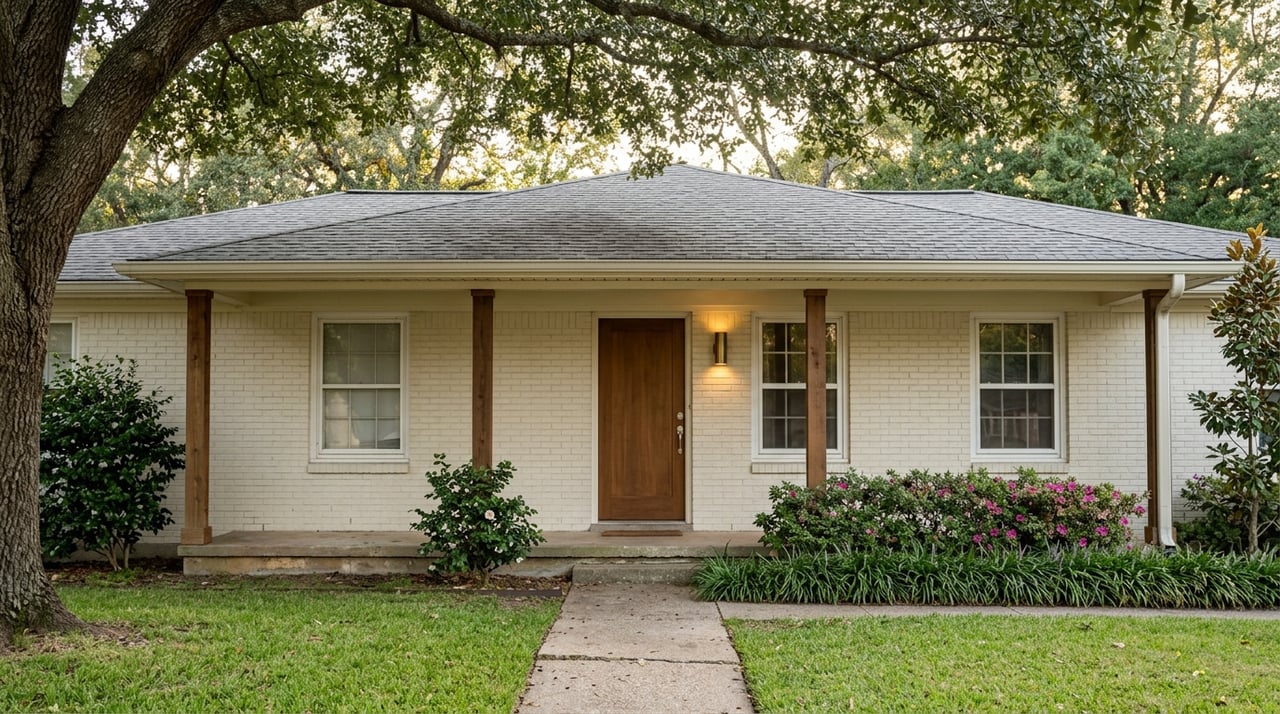
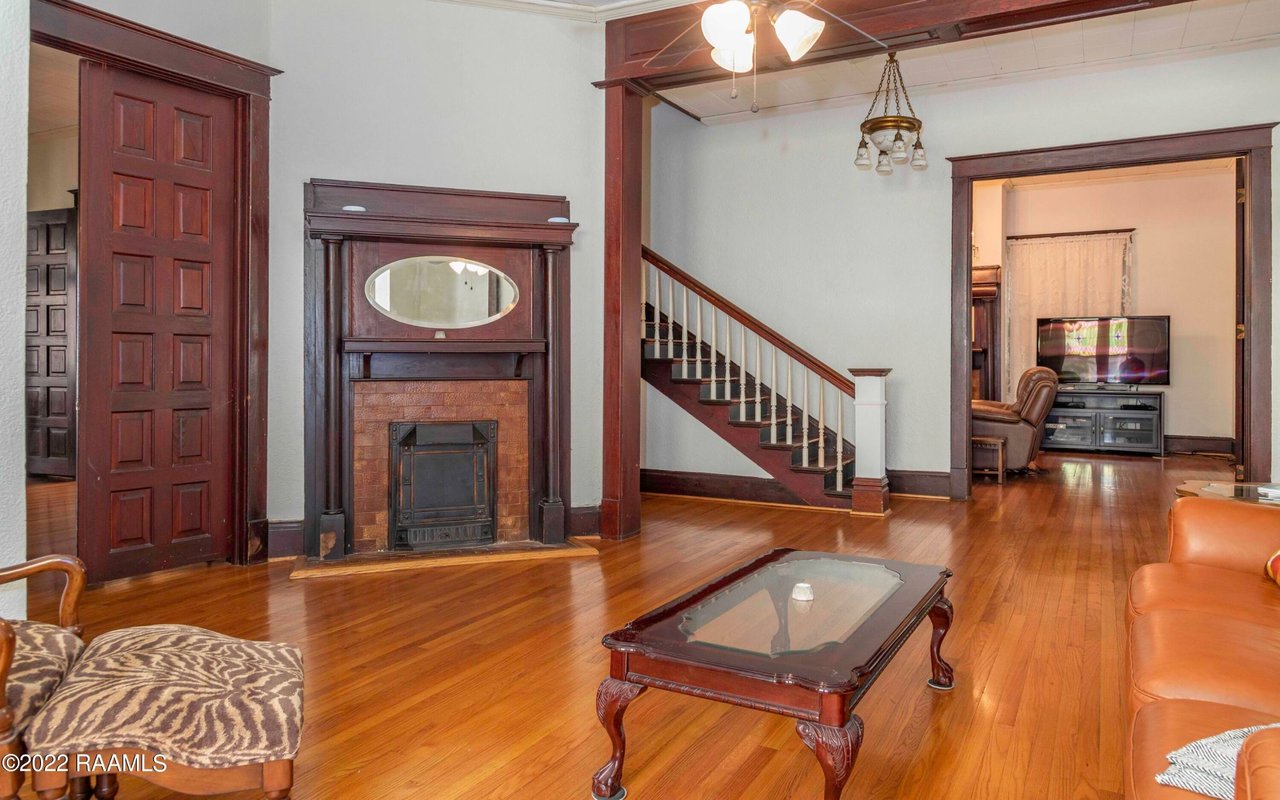

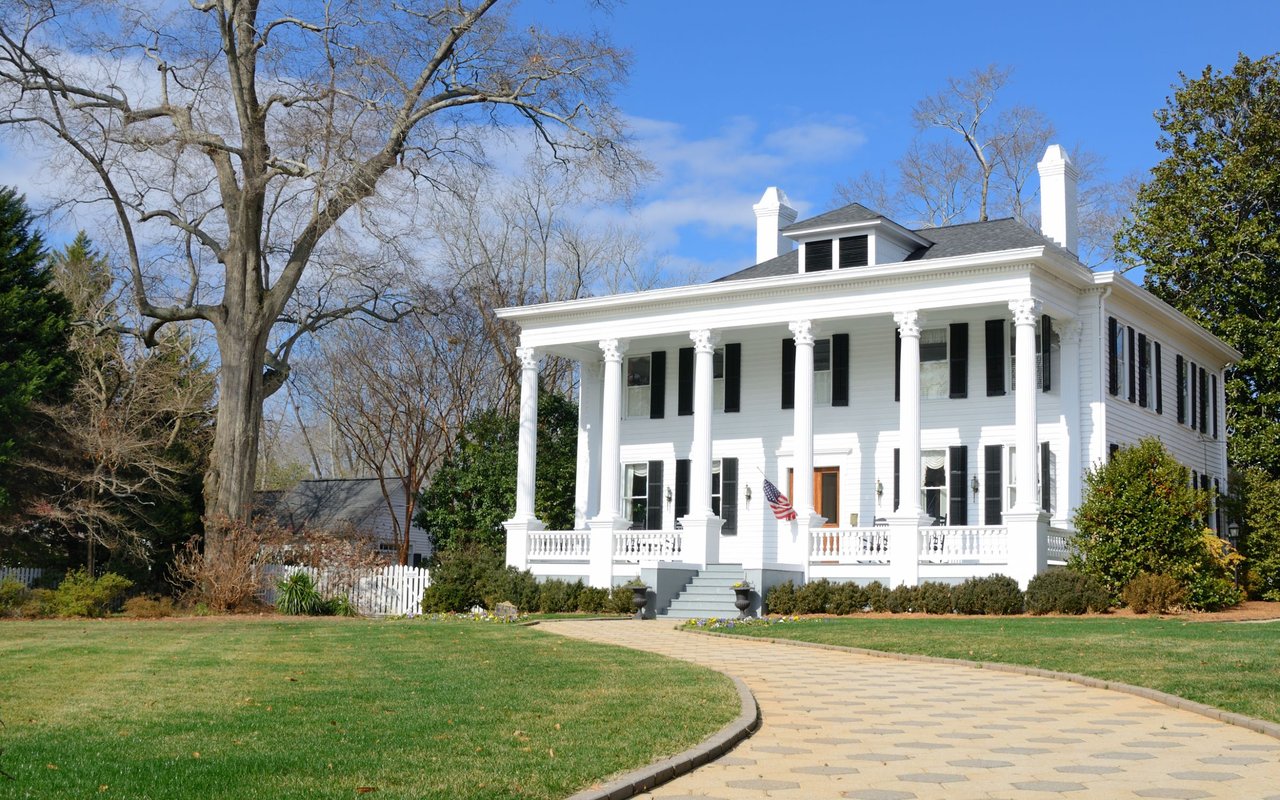
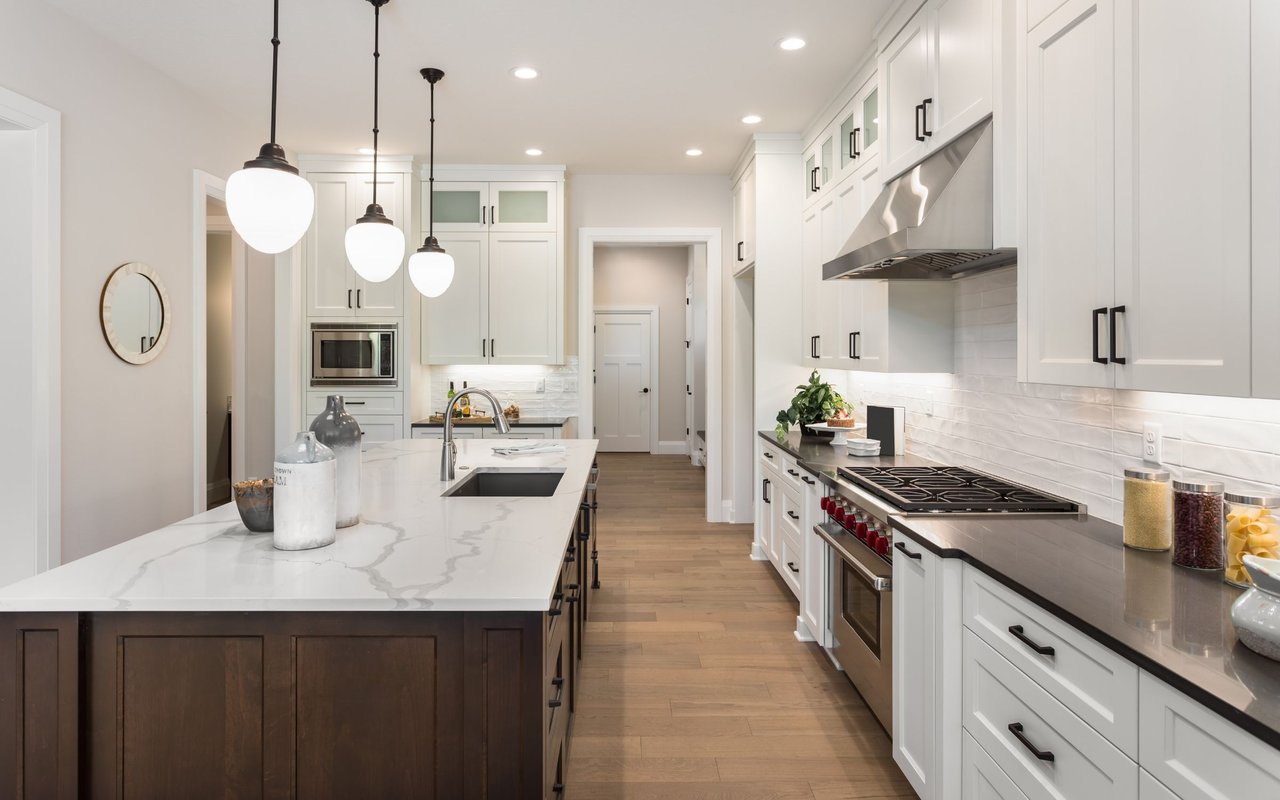

A fixer-upper can look like a smart deal at first glance, but in Lafayette, the real value is often hidden in the details. You may love the charm, the location, or the idea of making a home your own, yet surprise repairs, flood-related costs, and permit rules can quickly change the math. If you are thinking about buying a home that needs work, it helps to know what deserves a closer look before you fall in love. Let’s dive in.
Why Lafayette fixer-uppers need a closer look
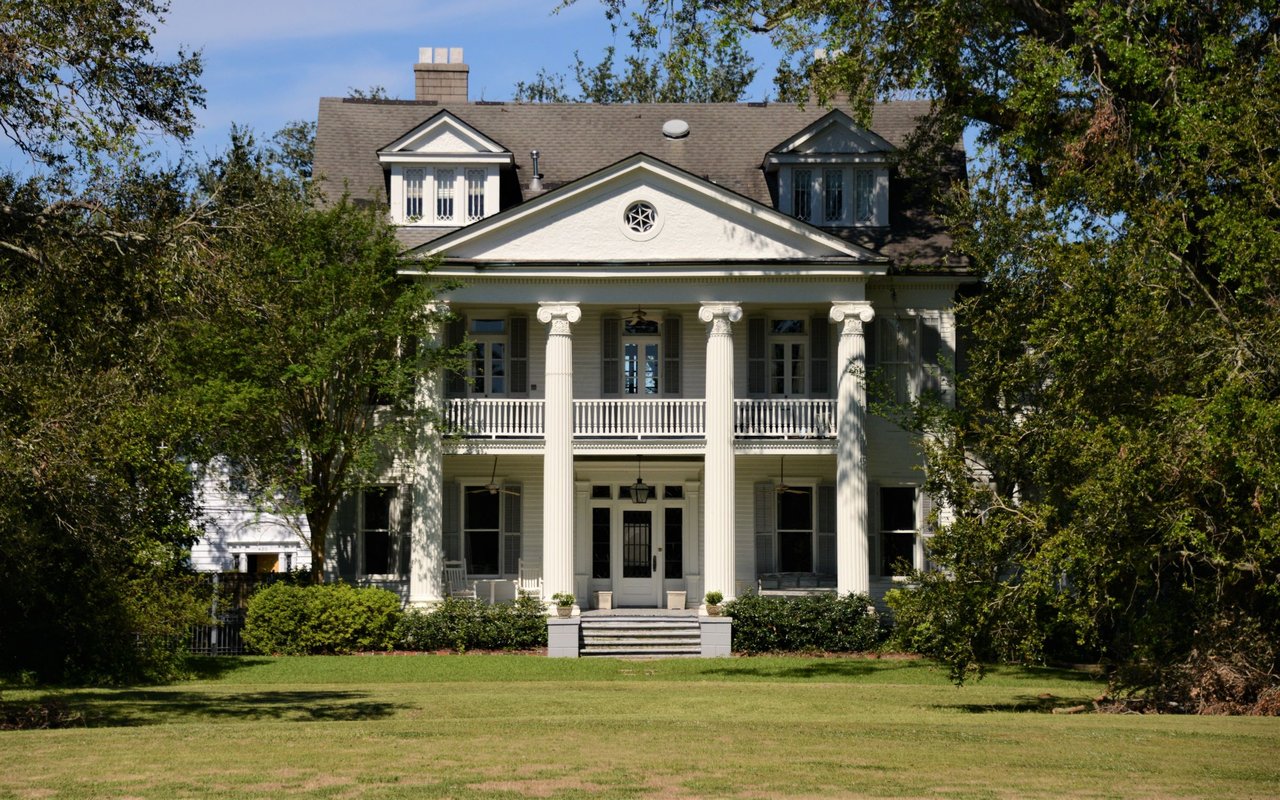
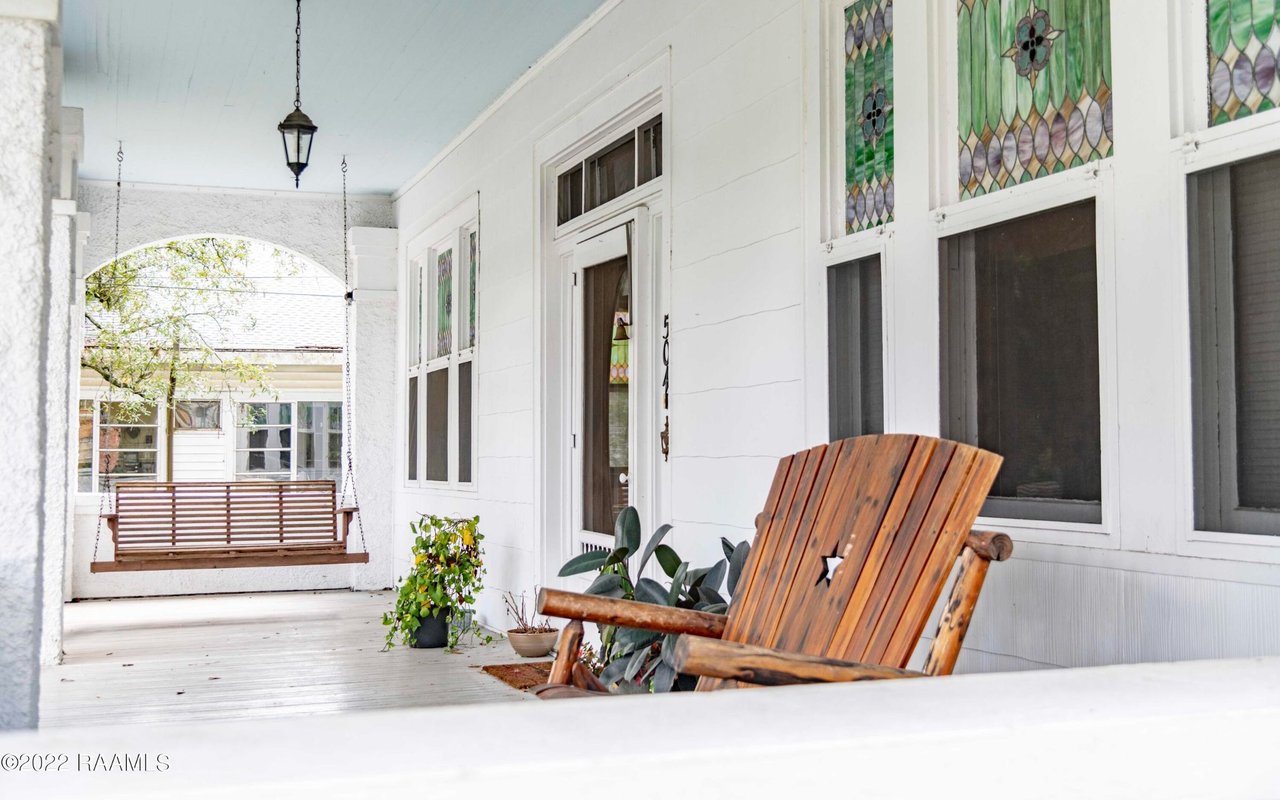
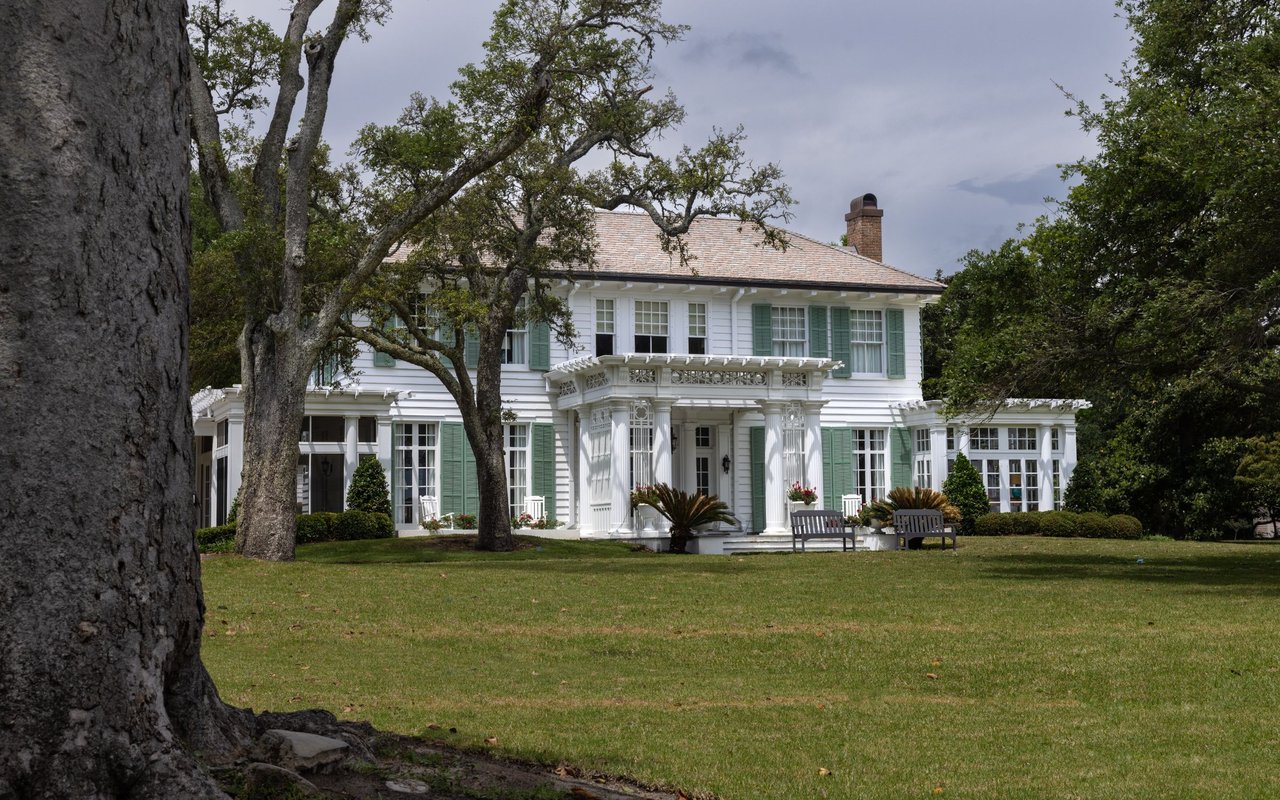
Lafayette has many older homes with personality, established surroundings, and strong long-term appeal. In areas such as Freetown-Port Rico and McComb-Veazey, the draw often comes from character, architecture, and location rather than move-in-ready condition.
That can create real opportunity, but it also means you need to evaluate more than the list price. With median owner-occupied home values at $257,000 in the city of Lafayette and $242,900 in Lafayette Parish, repair costs can have a meaningful effect on whether a fixer-upper is truly worth it.
Start with the home’s big-picture potential
Before you price out paint colors or kitchen finishes, look at the features you cannot easily change. A good fixer-upper usually starts with a location you feel confident in, a layout that works reasonably well, and natural light that gives the home lasting appeal.
From a design point of view, layout matters more than many buyers expect. A home does not need to be fully open to feel bright and functional. In many cases, a balanced floor plan with defined spaces and good daylight can age better than a trendy layout that creates noise or awkward flow.
Separate cosmetic work from real repairs
One of the most important steps is figuring out whether a home needs surface updates or system-level work. Cosmetic changes are usually easier to budget for and plan around. Bigger repairs can affect your timeline, financing, and stress level.
Lafayette Consolidated Government says cosmetic work does not require a permit. That usually puts things like paint, flooring, trim, and finish updates in the simpler category.
More substantial work is different. Projects involving structures or exterior additions may require permits, and some can require engineered plans and wind-load certification. That is why a house that only needs cosmetic help is very different from one with deeper structural or compliance issues.
Cosmetic updates to view differently
These items are often easier to change and are usually less likely to affect code review:
- Paint
- Flooring
- Light fixtures
- Cabinet hardware
- Trim and finish details
Repairs that deserve extra scrutiny
These issues often have a bigger impact on cost and timing:
- Roofing problems
- Structural concerns
- Electrical issues
- Plumbing defects
- HVAC problems
- Moisture intrusion
- Exterior envelope deterioration
Read the inspection with purpose
Louisiana law defines a home inspection as a written evaluation of systems including electrical, exterior, insulation and ventilation, heating and cooling, plumbing, roofing, structural, appliance, and interior components. That gives you a strong checklist for evaluating a fixer-upper in a practical way.
When you review an inspection report, focus first on health, safety, water, and major systems. A dated bathroom may be annoying, but a failing roof or active plumbing issue can affect the whole budget. If you are comparing several homes, this is often where the best choice becomes clearer.
It also helps to confirm that the inspection documents clearly show the licensed home inspector designation and license number, as required by Louisiana law. That is a simple way to make sure you are working from the right paperwork.
Flood risk can change the whole deal
In Lafayette, flood exposure is one of the first things to check, not one of the last. The parish is about 40 miles from the Gulf of Mexico, receives about 54 to 58 inches of rain each year, and depends heavily on the Vermilion River drainage system.
Lafayette’s current FEMA Flood Insurance Rate Map became effective on December 21, 2018, and those maps are used for building requirements and flood insurance rates. That means flood status is not just background information. It can directly affect what you can do with the property and what it may cost to own.
Standard homeowner policies usually do not cover flood losses. Lafayette also notes that flood insurance is required for federally backed mortgages when a structure is in a Special Flood Hazard Area.
For buyers, the key point is simple: a lower purchase price does not always mean lower total cost. If flood insurance, mitigation work, or floodplain-related permitting is part of the picture, the savings can shrink quickly.
Questions to ask about flood risk
- Is the property in a Special Flood Hazard Area?
- Is there an elevation certificate available?
- Have any additions or modifications changed the lowest finished floor?
- Will a Floodplain Development Permit be needed for planned work?
- What will flood insurance likely add to monthly ownership costs?
LCG also notes that flood insurance often has a 30-day waiting period before it begins, unless it is tied to a loan transaction or bought during the year after a revised flood map is issued. That timing can matter if you are trying to plan renovations and closing together.
Historic homes can offer charm and extra process
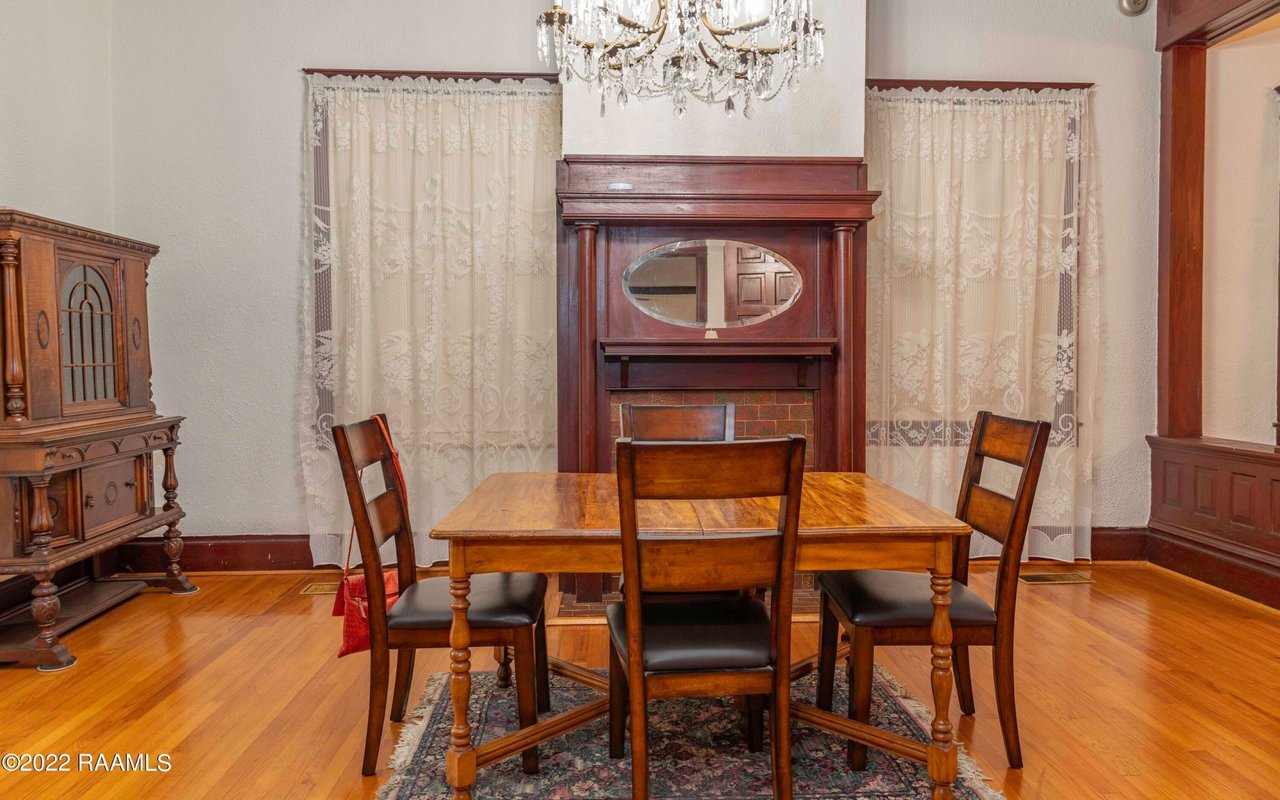
Some of Lafayette’s most appealing older homes sit in areas with historic significance or preservation oversight. These homes can be attractive to buyers who appreciate architecture, original details, and long-term design potential.
But historic status can add another layer to the renovation process. Lafayette’s historic-preservation guidance says some buildings and districts may qualify for rehabilitation tax incentives, but only if the project has an approved application before work begins and meets eligibility requirements.
There is also an approval process for visible exterior work in historic districts. According to Lafayette’s historic-district guidelines, no building permit may be issued and no proposed work may begin until a Certificate of Appropriateness has been issued.
That does not make a historic home a bad investment. It simply means you should budget more time for review, paperwork, and design decisions before construction starts.
Budget beyond the contractor quote
A realistic fixer-upper budget should go well beyond the purchase price and a rough renovation estimate. In Lafayette, permitting, floodplain review, and historic review can all affect cost and timeline.
LCG states that most construction activities require a permit before work starts. That matters because many buyers underestimate the soft costs and delays that come with projects that seem straightforward on paper.
A smart working budget usually includes:
- Purchase price
- Immediate safety repairs
- Major system repairs
- Permit and review costs
- Flood-related documentation or insurance costs
- A contingency fund for surprises
If you skip the contingency, you leave yourself exposed to the very issues that make fixer-uppers risky. In older homes especially, hidden conditions often show up after work begins.
Look for value in layout and light
Not every fixer-upper is worth saving, but some homes have strengths that justify the work. In many cases, the best candidates are the ones with a solid location, useful room sizes, and natural light that already works in your favor.
Efficient windows, doors, and skylights can also play a role in comfort and cost. Research cited in the report notes that efficient openings can help lower energy costs, maintain visible light, and reduce condensation risk.
That is where a design-minded evaluation can really help. A home with average finishes but strong flow and light may offer more long-term value than a prettier house with awkward function and expensive hidden problems.
A practical way to evaluate a Lafayette fixer-upper
If you want to stay grounded during showings, keep your review process simple and consistent. Start with the things that are hardest or most expensive to change, then work your way down to finishes.
Fixer-upper evaluation checklist
- Check the location and overall setting.
- Evaluate the layout and natural light.
- Review roof, structure, plumbing, electrical, and HVAC.
- Ask about flood zone status and elevation documents.
- Check whether historic-district rules may apply.
- Separate cosmetic wants from required repairs.
- Build in permit costs and a contingency.
This approach helps you avoid overreacting to outdated finishes while still taking major risks seriously. It also makes it easier to compare one opportunity against another.
The right fixer-upper is not just the cheapest one
In Lafayette, the best fixer-upper is usually not the one with the lowest list price. It is the one where the location, livability, and long-term upside are strong enough to support the work ahead.
That means being honest about both the good and the bad. Some homes need simple cosmetic updates and thoughtful design choices. Others come with flood exposure, system failures, or review requirements that can turn a promising deal into an expensive lesson.
If you want help evaluating a fixer-upper through both a real estate and design lens, Joan Beduze can help you look past the surface and make a smart, informed decision.
FAQs
What should you check first in a fixer-upper home in Lafayette?
- Start with major systems and risk factors, including the roof, structure, plumbing, electrical, HVAC, exterior condition, and any signs of moisture or flood-related concerns.
Which fixer-upper updates are usually cosmetic in Lafayette?
- Cosmetic updates usually include paint, flooring, trim, and similar finish changes, and Lafayette says cosmetic work does not require a permit.
How do you evaluate flood risk for a Lafayette fixer-upper?
- Check the current flood map status, ask for an elevation certificate, review whether later changes were made to the property, and factor likely flood insurance costs into your total budget.
Are historic homes in Lafayette harder to renovate?
- Not always, but they can require pre-approval and design review, and in historic districts a Certificate of Appropriateness may be required before permits are issued or work begins.
Why can a cheap fixer-upper still be expensive in Lafayette?
- A low list price can be offset by major system repairs, permit costs, flood insurance, floodplain requirements, historic review, and unexpected issues uncovered after work starts.