If you are looking at a mixed-use or commercial property in Opelousas, it is easy to get excited by the possibilities and miss the details that matter most. A building may look like a perfect live-work setup or a strong small-business location, but the real potential often comes down to zoning, parking, visibility, approvals, and whether the layout truly fits your plan. This guide will help you look at Opelousas more clearly so you can spot opportunity, ask better questions, and avoid expensive surprises. Let’s dive in.
Why Opelousas potential is property-specific
Opelousas is not the kind of market where broad citywide demand tells the whole story. The city had an estimated population of 15,176 as of July 1, 2024, and the local market is relatively small. That means a property’s success often depends more on its exact corridor, building setup, and allowed use than on general market momentum.
At the same time, there is real commercial activity in the area. Opelousas reported about $827.4 million in retail sales in 2022, along with about $51.0 million in accommodation and food services sales and about $334.1 million in health care and social assistance receipts. For you as a buyer or investor, that suggests there can be opportunity here, but it needs to be matched to the right location and use.
Downtown Opelousas stands out
One of the clearest places to watch is downtown. In 2021, Opelousas adopted a downtown master plan with five sub-districts, including a Downtown Mixed-Use Core, Innovation area, Commercial Corridor, Highway Commercial area, and Neighborhood and Community Services area. That tells you the city has been intentional about reinvestment rather than leaving downtown growth to chance.
Local organizations are reinforcing that direction. Opelousas Main Street focuses on long-term downtown revitalization, and the Opelousas Downtown Development District positions itself as a catalyst for downtown economic growth and historic preservation. If you are drawn to adaptive reuse, upper-floor residential space, boutique office concepts, or street-level retail, downtown is one of the first places worth studying.
Mixed-use zoning matters more than the label
A lot of buyers see “mixed-use” and assume they have broad flexibility. In Opelousas, that can be a costly assumption. The zoning ordinance creates several districts that matter for commercial and mixed-use property, including NMU, DMU, C-1, and C-2.
Here is the practical difference. NMU is designed for a mix of residential and commercial uses that serve neighborhood shopping and service needs. DMU is meant for the existing downtown area and nearby future development with a pedestrian-friendly pattern. C-1 generally fits most commercial, retail, office, and service businesses along arterial roads, while C-2 is aimed at larger-scale business, retail, and service facilities on major thoroughfares.
That means the best district for your plan depends on what you want the property to do every day. A live-work concept may fit one property, while a larger commercial operation may need a different corridor and zoning category entirely.
NMU has meaningful size limits
NMU can sound appealing if you want a neighborhood-scale mixed-use setup, but it is not an open-ended district. The city caps nonresidential NMU uses at 2,000 square feet of public floor area and 1,000 square feet of storage or back-of-house space, with larger exceptions only for certain assembly-type uses. That is a major point to confirm early.
If you are imagining a larger showroom, a deeper inventory-based business, or a concept that needs more back-of-house space, NMU may not be the right fit. This is where having a realistic floor plan review matters. A property can look flexible on paper but still fail the size test for your intended use.
Drive-through ideas face limits
Some commercial concepts depend heavily on convenience and car flow. In Opelousas, drive-through facilities are banned in both NMU and DMU. That single rule can eliminate certain business models before you get too far into the process.
This is one reason I always encourage buyers to look past surface appeal. A building may seem like a great candidate for food service or quick-service retail, but if your use depends on a drive-through, the zoning could stop the plan immediately. It is better to find that out before you make an offer than after you start pricing renovations.
Site layout can make or break the deal
In Opelousas, zoning is only part of the story. Site conditions are just as important because no land may be developed or altered for buildings or uses without site plan approval. You need to evaluate the property as a functioning site, not just a structure with an address.
Parking is one of the first things to test. The city calculates parking by use, and the formulas vary. General business and professional offices, for example, require 3 spaces per 1,000 square feet, while restaurant and retail uses follow their own standards.
If a property has tight circulation, limited frontage, or awkward access, repurposing it may be harder than it first appears. That is especially true for buyers trying to convert older buildings into new business uses. A strong concept still has to work on the ground.
Visibility and access deserve a close look
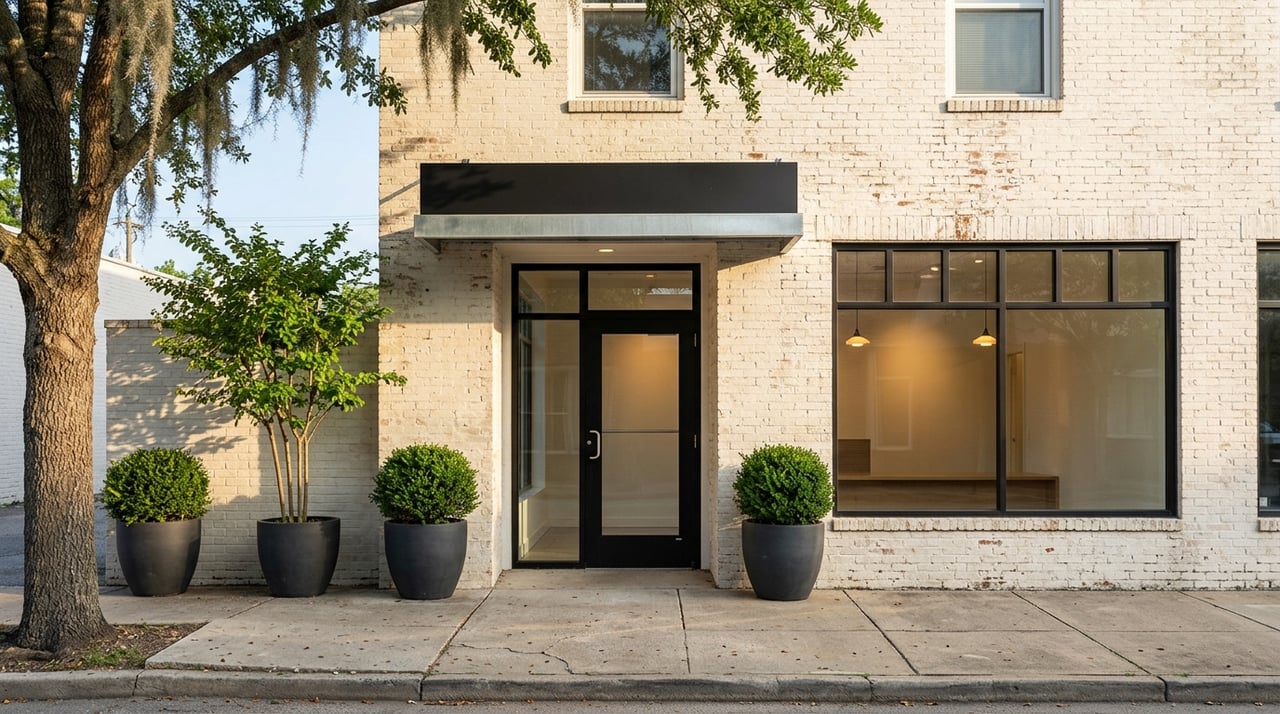
Commercial value often comes down to what customers can see and how easily they can reach the property. Opelousas has visibility triangle rules for corner lots that generally prohibit walls, signs, displays, or landscaping from blocking sight lines within a 12-foot triangle. DMU lots are exempt from that exact 12-foot rule, but the ordinance still expects owners to maximize corner visibility.
For you, this means corner exposure, curb cuts, parking arrangement, and sign rights are not minor details. They are core parts of the property’s commercial potential. The city also requires permits before placing signs on buildings or on the grounds, so signage should always be part of your due diligence.
Downtown adaptive reuse can be promising
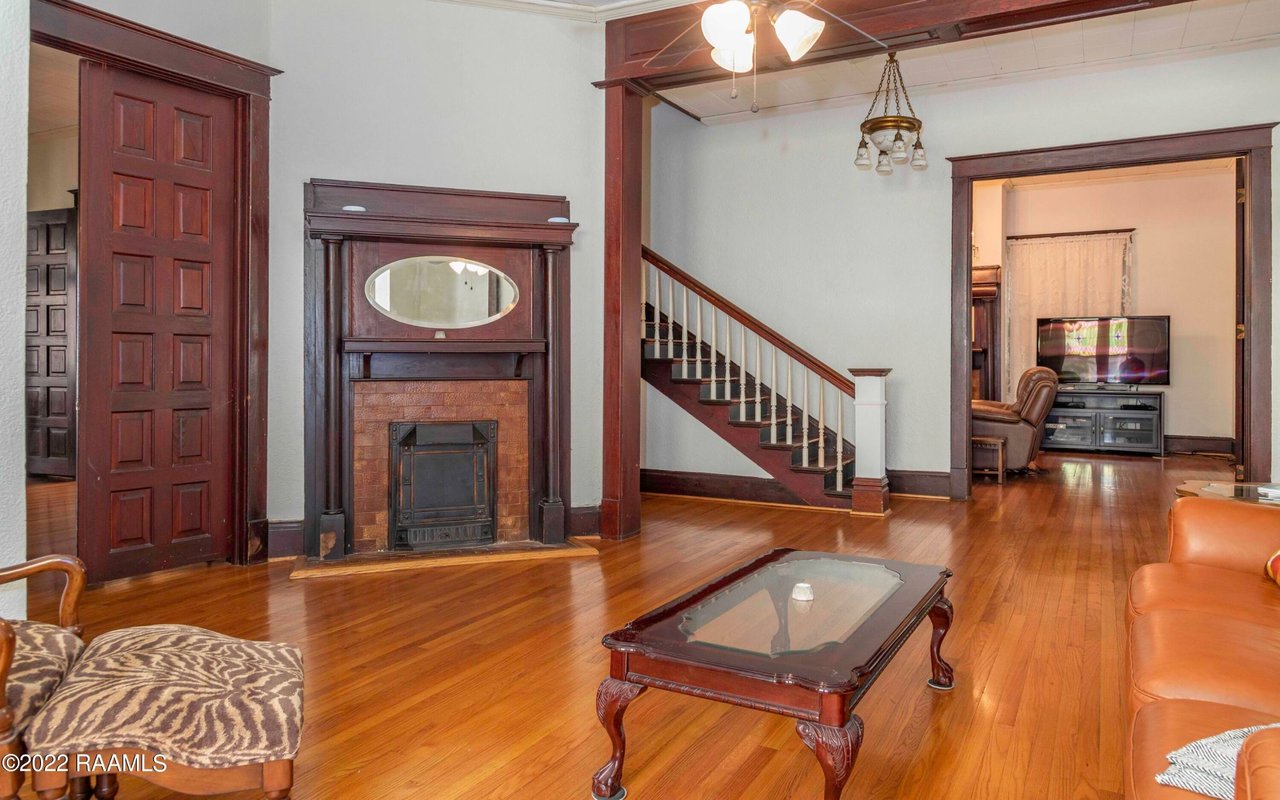
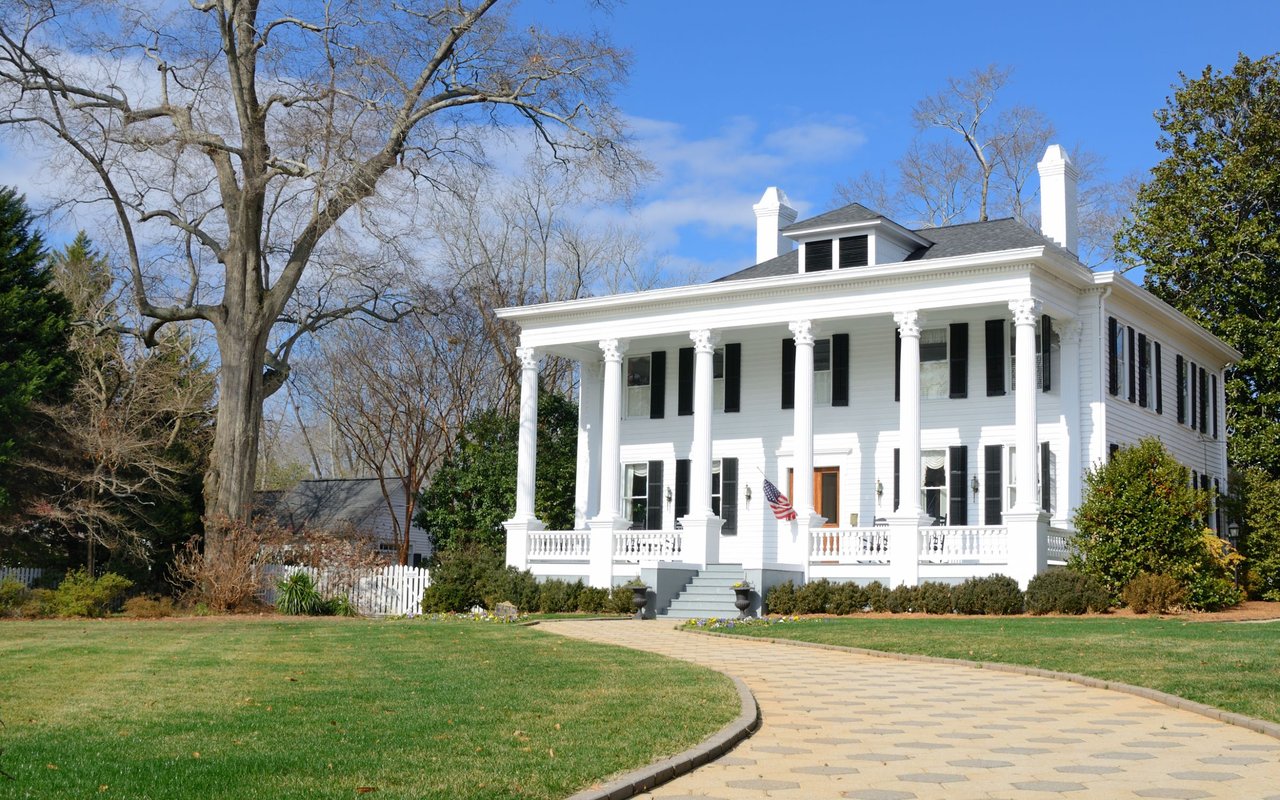
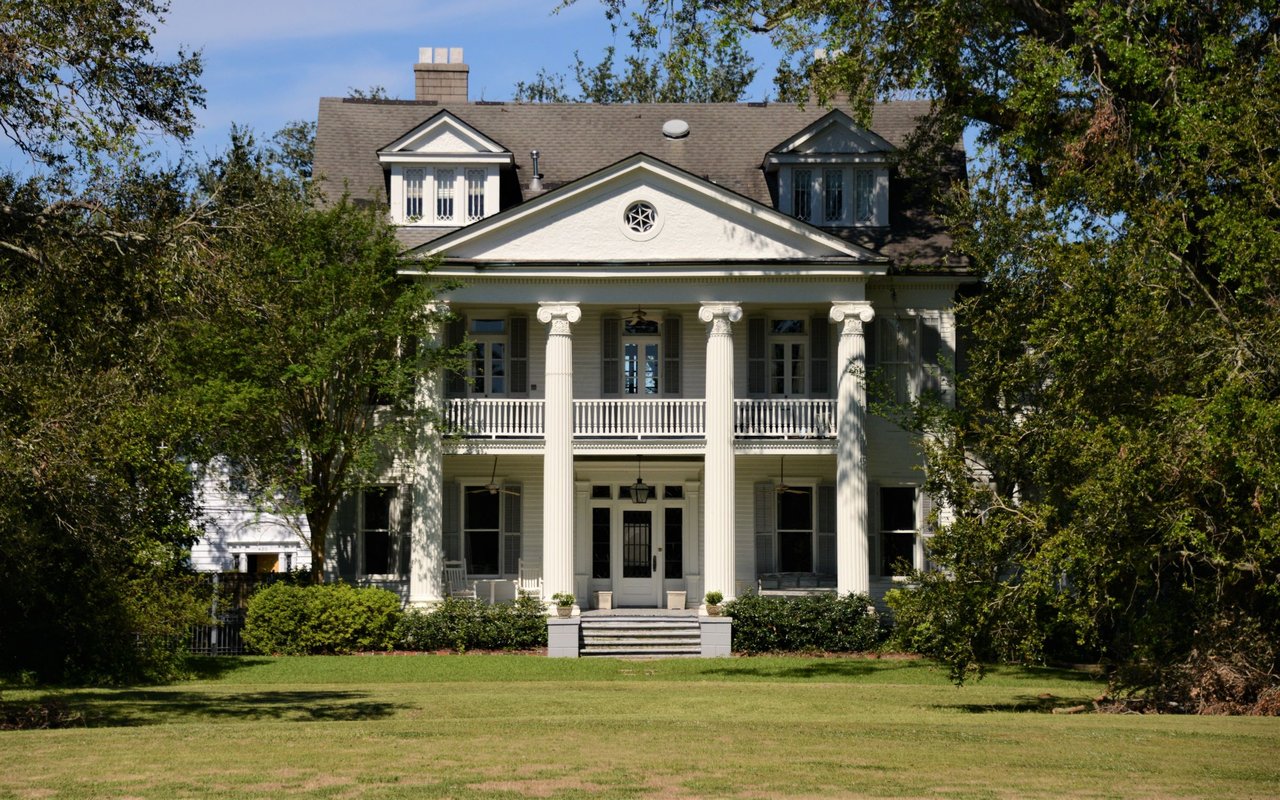
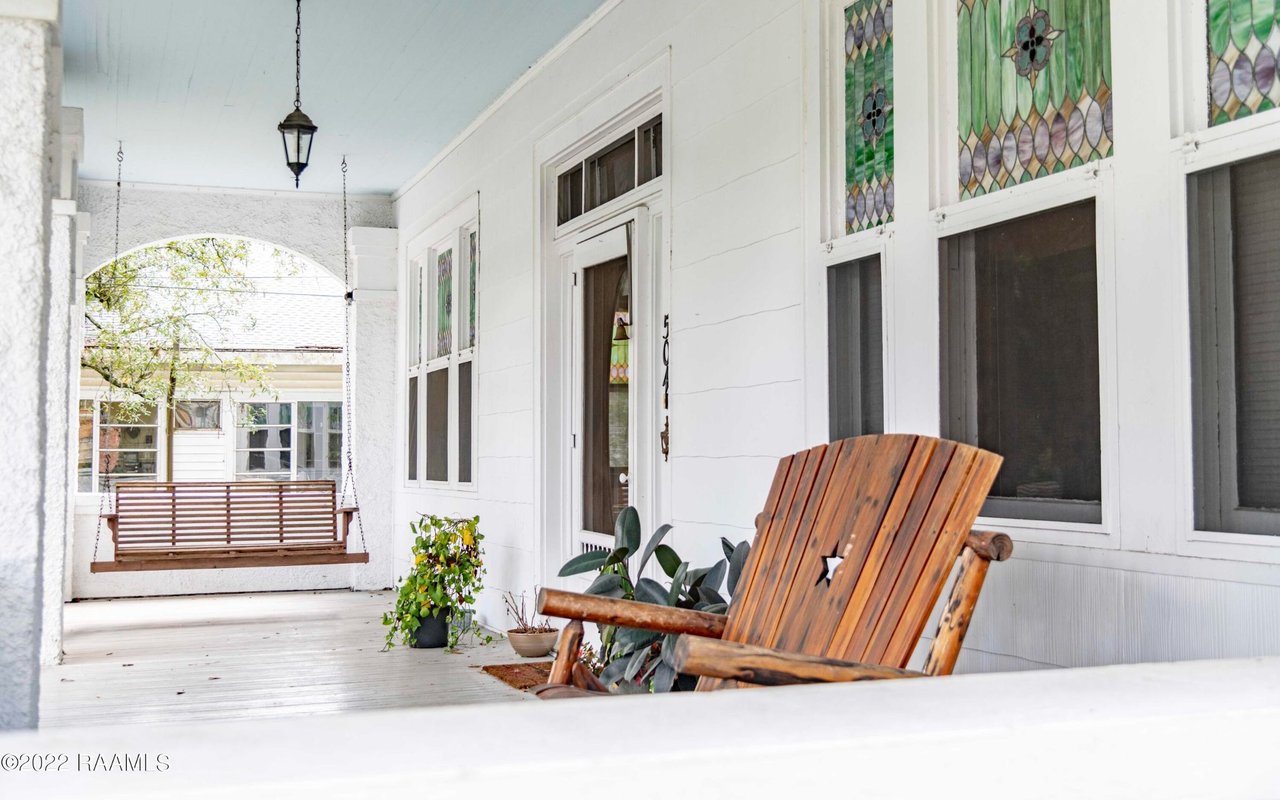
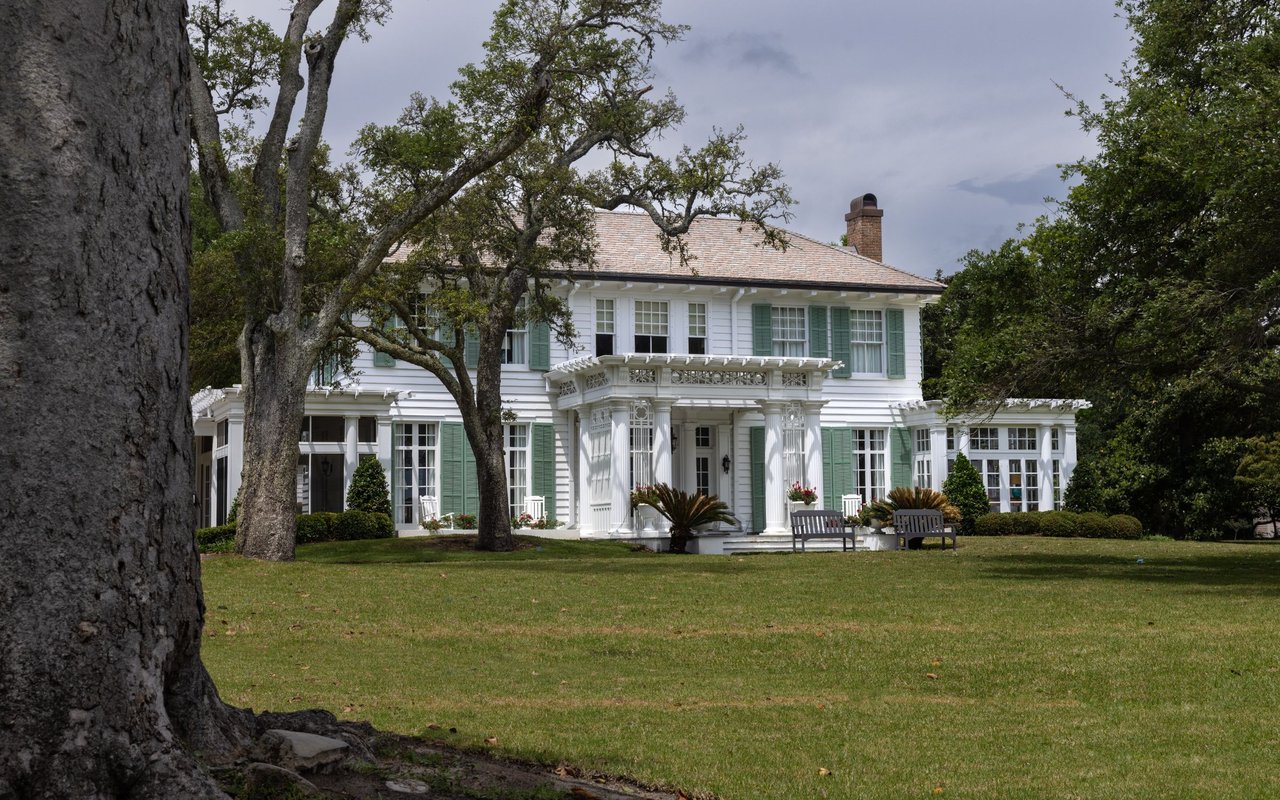
If you love older buildings with character, Opelousas has a strong adaptive-reuse story. The Opelousas National Historic District sits in the heart of Old Opelousas and includes more than 175 years of architecture. That kind of building stock can create unique opportunities for office, retail, or mixed-use projects that stand out from newer inventory.
The city also continues to support rehabilitation of downtown commercial structures. The 2026 Building Improvement Grant guidelines provide for reimbursement funding of up to $10,000 with a dollar-for-dollar match. For the right project, that may help offset some improvement costs, though it does not replace the need for a realistic renovation budget.
Historic properties need more review
Historic character can be a major asset, but it also brings extra process. In the historic district, the city requires an Application for Appropriateness for occupancy and signs. Local rules also address new construction, preservation and restoration, fences, floodlights, overhanging balconies, signs, and mobile homes.
The Building Improvement Grant guidelines add another layer. Historic-district applicants must secure a signed Letter of Appropriateness before work begins. So if you are considering a historic property, you should expect more than a standard commercial renovation path.
What buyers should confirm first
Before you move forward on a mixed-use or commercial property in Opelousas, focus on the questions that affect real usability.
- What is the current zoning?
- Is your intended use permitted by right, conditional, or prohibited?
- Is the property in NMU, DMU, C-1, C-2, or the historic district?
- Will your plan trigger site plan review?
- Will you need conditional-use approval?
- Will the property need sign approval?
- Does the use create parking or stacking requirements?
- Does the existing layout support your plan without major structural changes?
These are not small technicalities. They shape whether the property can work as intended and how much time and money it may take to get there.
Permits and approvals can affect your timeline
In Opelousas, adaptive reuse and commercial repositioning often take more than construction planning. The permit office requires an occupancy permit before electrical service is turned on, an occupational license for new businesses, and a State Fire Marshal approval letter for newly constructed or renovated commercial buildings. That means your closing timeline and improvement schedule should leave room for approvals.
If the property is downtown or historic, the process may include historic-district review in addition to zoning and building permits. Buyers sometimes underestimate this phase because they focus on renovation costs first. In reality, approval timing can be just as important as the construction budget.
Where the best opportunities may be
Based on the city’s zoning structure and approval framework, Opelousas appears strongest for smaller-scale mixed-use, neighborhood-serving commercial uses, and downtown adaptive reuse. Those categories line up with the city’s downtown planning, the DMU framework, and the size-limited but useful role of NMU. They also fit a market where specific site conditions matter more than sweeping regional demand.
It may be a less forgiving market for concepts that need drive-throughs, large footprints, or minimal parking constraints. Those uses can run into direct zoning limits or practical site challenges. So the best opportunities are often the ones with a clear, realistic match between building, location, and intended use.
Why a design-focused review helps
When you evaluate mixed-use or commercial property, square footage and zoning are only part of the picture. You also need to understand flow, access, visibility, renovation scope, and whether the space can actually support the experience you want to create. That is especially true in older buildings where character can be a strength but layout can become a challenge.
This is where a design-minded lens can add real value. Looking at both the good and the bad of a property helps you make a smarter decision up front. It can also help you see whether a building has true upside or just expensive potential.
If you are exploring mixed-use or commercial opportunities in Opelousas, working with someone who understands both real estate and renovation potential can make the process much clearer. To talk through a property, its layout, and the practical next steps, connect with Joan Beduze.
FAQs
What zoning districts matter for mixed-use property in Opelousas?
- The key districts to review are NMU, DMU, C-1, and C-2, because each one allows different types and scales of commercial or mixed-use activity.
What are the NMU size limits for commercial space in Opelousas?
- In NMU, nonresidential uses are capped at 2,000 square feet of public floor area and 1,000 square feet of storage or back-of-house space, except for certain assembly-type exceptions.
Are drive-through businesses allowed in downtown Opelousas?
- No. Drive-through facilities are banned in both NMU and DMU districts.
What approvals might a historic Opelousas property need?
- A historic-district property may need an Application for Appropriateness for occupancy and signs, and some projects also require a signed Letter of Appropriateness before work begins.
What should buyers verify before buying commercial property in Opelousas?
- Buyers should confirm zoning, whether the intended use is permitted or conditional, site plan requirements, parking needs, sign approval, historic-district status, and whether the existing layout supports the planned use.