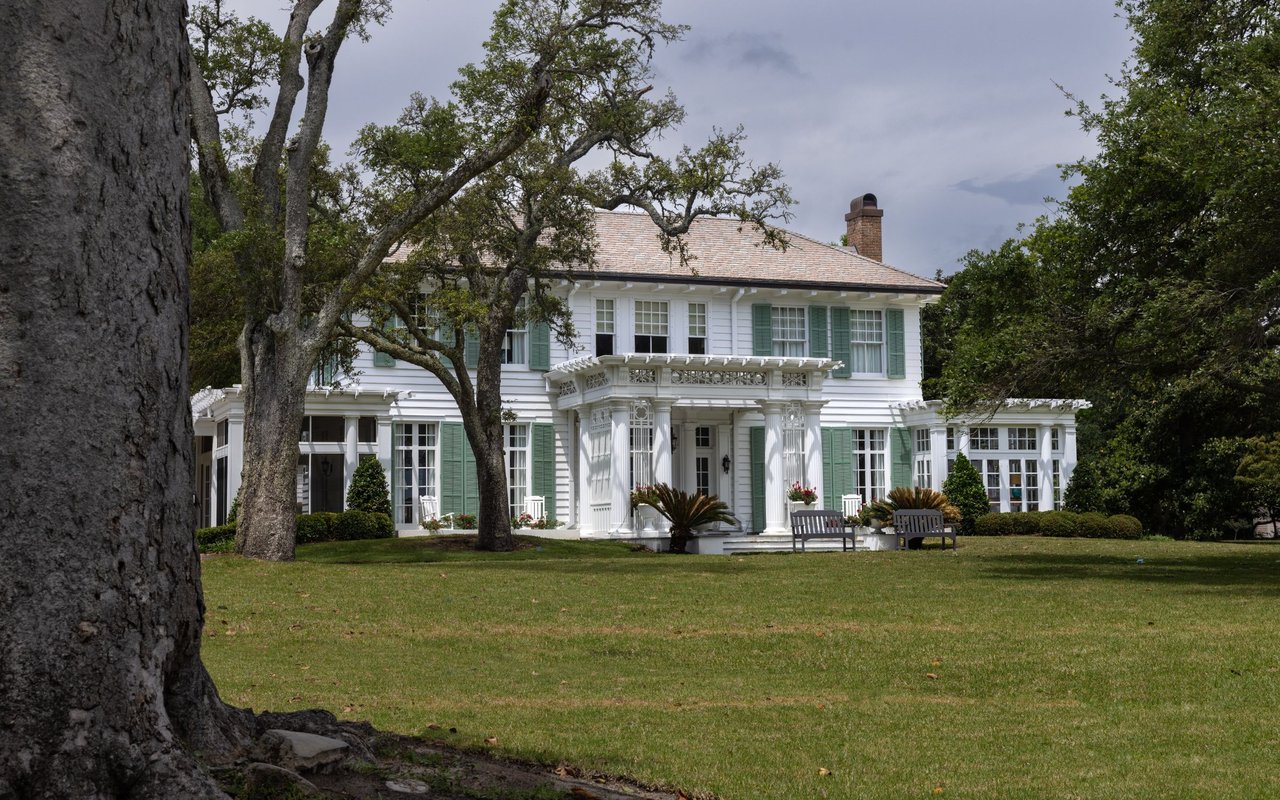
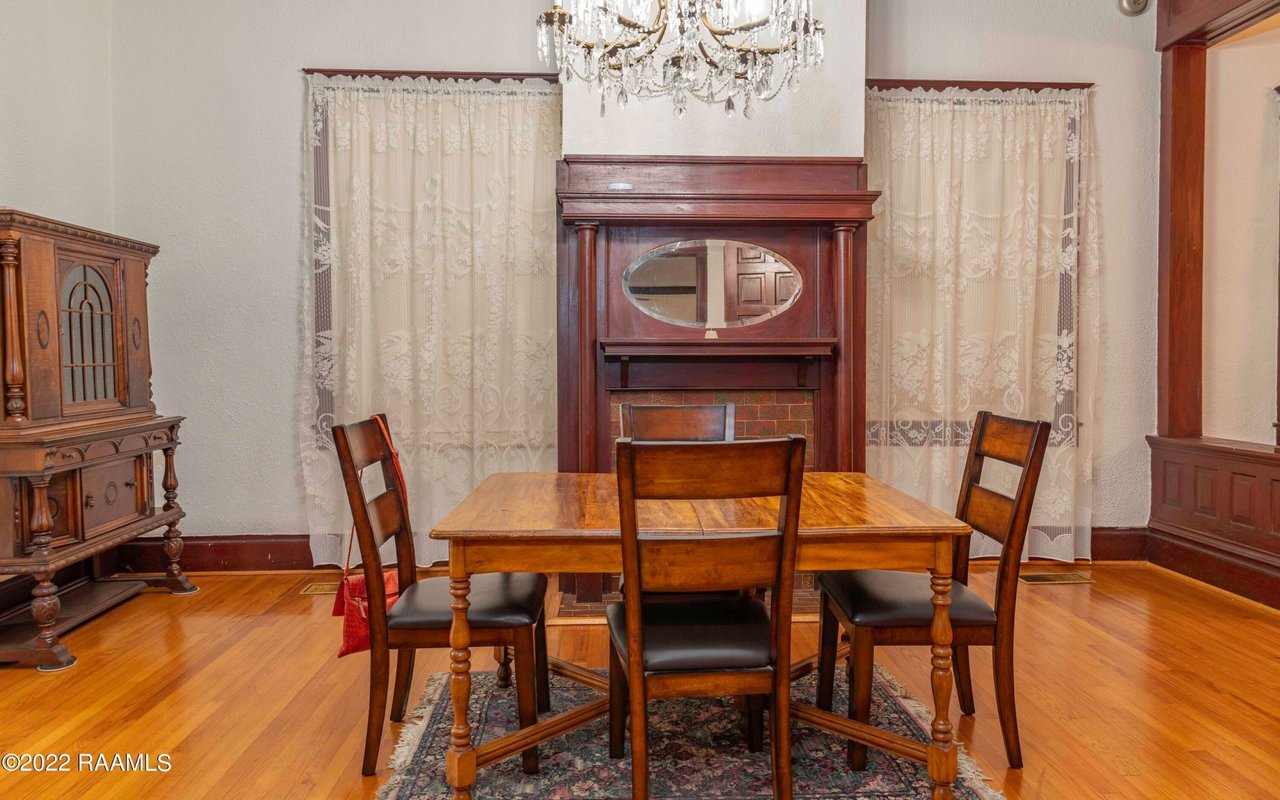
If you are hunting for a home in Broussard with upside, it is easy to confuse a good cosmetic project with a money pit. In a market where prices are already stronger than much of Lafayette Parish, the best opportunities are often the homes that need smart, focused updates instead of a full overhaul. This guide will help you spot the difference, evaluate risk, and focus on the kinds of improvements that can make sense in Broussard. Let’s dive in.
Why Broussard value-add looks different
Broussard is not usually the place where the best deal is a severely distressed property. Census QuickFacts shows the city had a 2024 population of 15,312, up 13.7% from 2020, with a median household income of $116,613 and an owner-occupied housing rate of 82.9%.
That matters because owner-occupant markets tend to reward homes that feel move-in ready or close to it. Redfin’s March 2026 data put Broussard’s median sale price at $309,000, compared with $250,000 in Lafayette Parish and $238,000 in Lafayette city. When you buy at a higher starting price, it is harder to justify major structural unknowns.
Focus on homes with good bones
In Broussard, a value-add property usually starts with a solid structure, a serviceable roof, and a floor plan that already works. You want a home that can compete after updates without needing expensive reconfiguration.
In practical terms, that often means a functional 3-bedroom, 2-bath or 4-bedroom, 2-bath layout, usable room sizes, and enough parking or storage. If you have to move walls, redesign circulation, or solve major layout issues, your budget can disappear fast.
From a design standpoint, this is where discipline matters. A home with strong basics gives you room to improve the look and feel without changing the footprint, which is often the smarter play in this market.
Look for cosmetic upside first
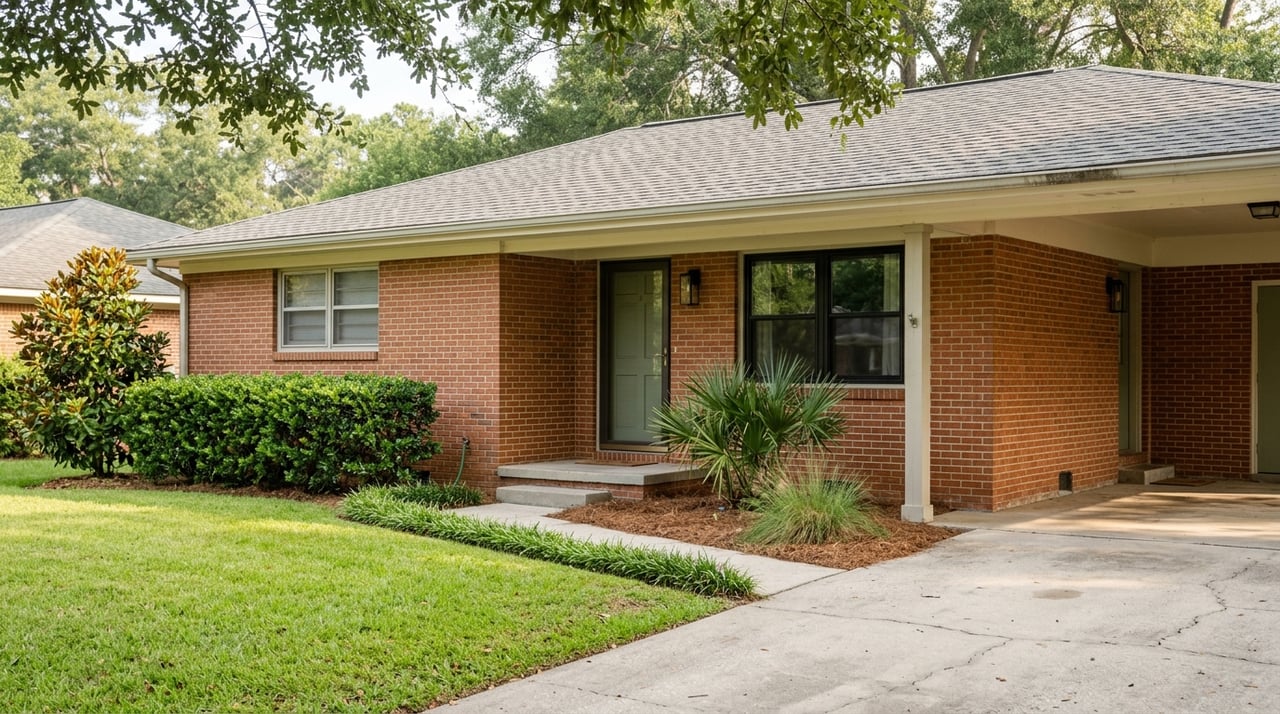
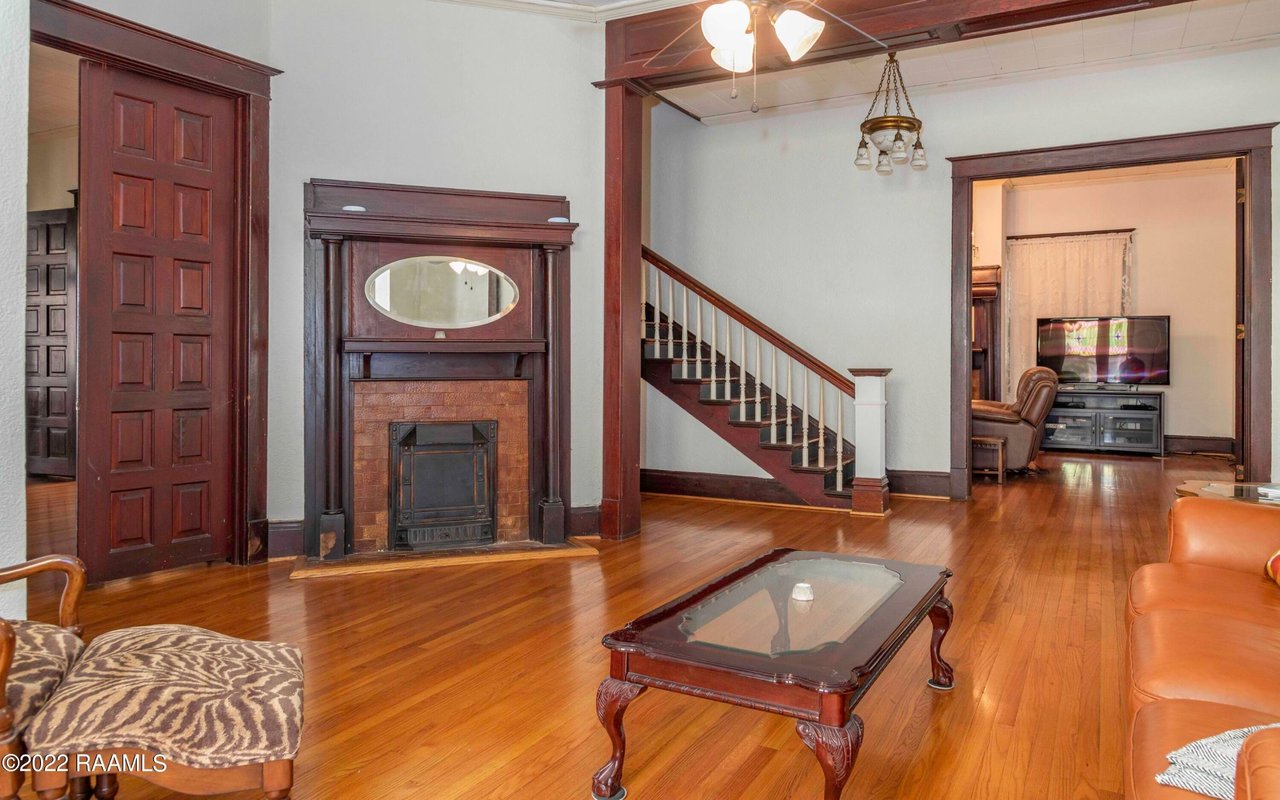
The cleanest value-add opportunities are usually hiding in plain sight. Think tired paint, worn flooring, dated light fixtures, older cabinet fronts, or an exterior that feels forgettable from the street.
These issues can make a house feel older than it really is. They also tend to be easier to price, easier to schedule, and easier to control than major structural repairs.
National Association of Realtors research on staging and listing prep supports this approach. Agents most often recommend decluttering, whole-home cleaning, and curb appeal improvements before listing, which lines up well with light-rehab strategies.
Improvements that often create the most impact
If your goal is to create stronger resale appeal, focus on updates buyers notice right away. In many cases, the most effective work is not dramatic. It is clean, neutral, and consistent.
Here are a few improvements that often have strong perceived value:
- Fresh interior paint in neutral tones
- Deep cleaning and decluttering
- Updated lighting and hardware
- Clean flooring transitions or replacement of worn floors
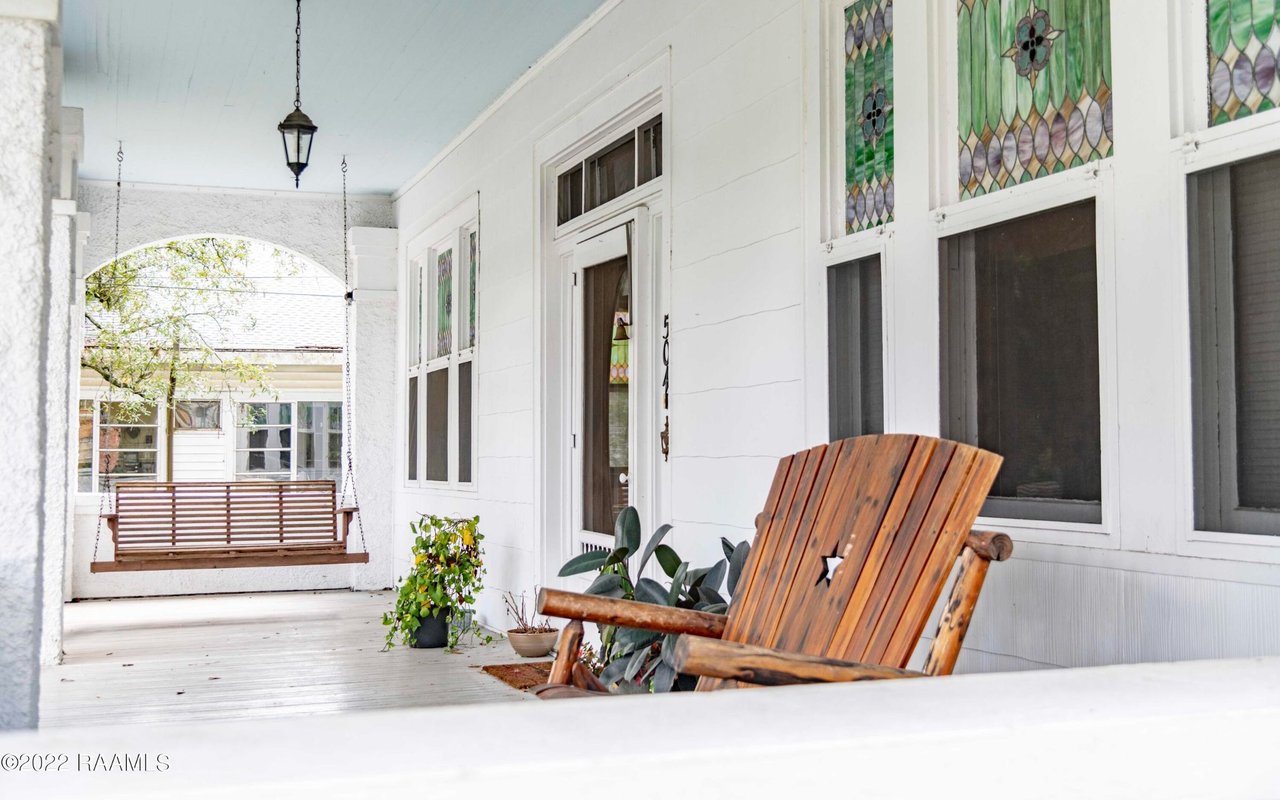
- A sharper front entry and better curb appeal
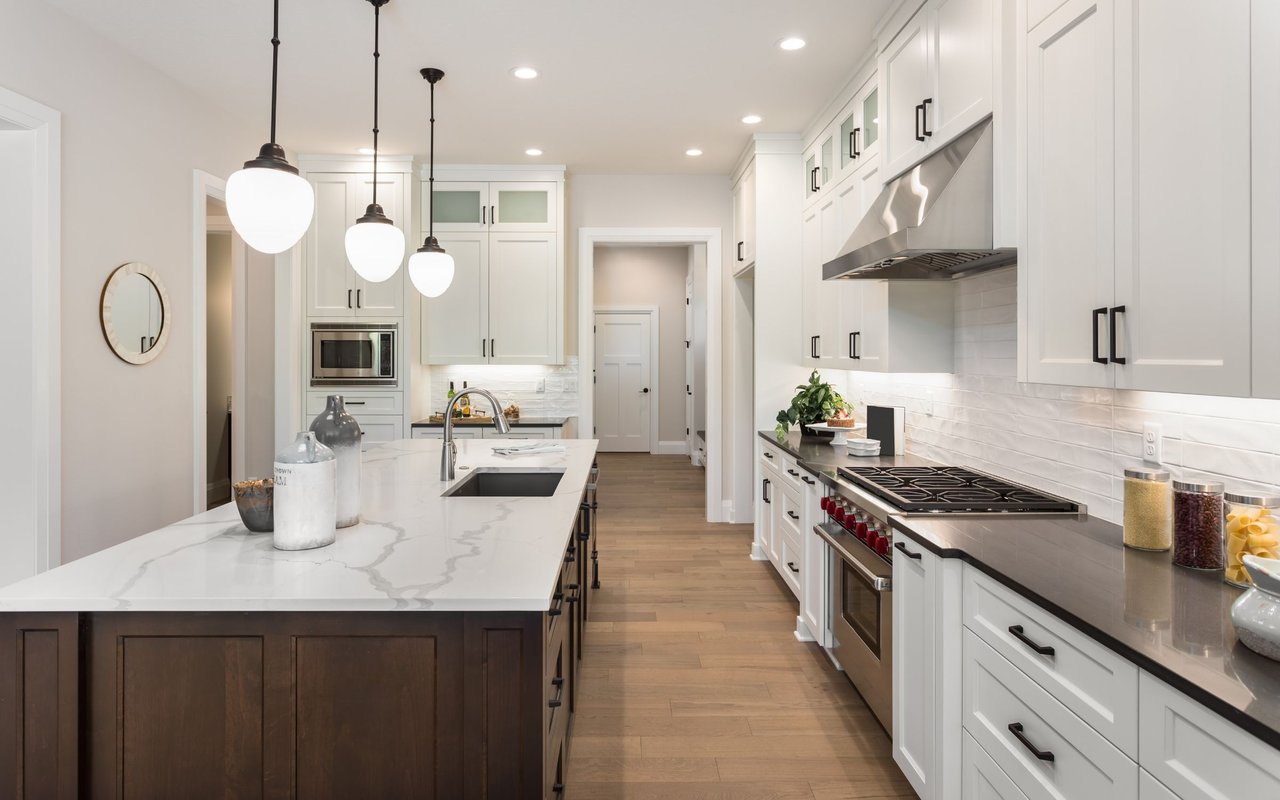
- Minor kitchen or bath refreshes instead of full gut jobs
NAR’s 2025 remodeling benchmarks also point to practical upgrades with strong cost recovery, including garage-door replacement, steel front-door replacement, and minor kitchen remodels. These are national averages, not Broussard-specific numbers, but they can still help you prioritize a limited budget.
Watch for over-improving the property
One of the biggest mistakes in a higher-priced submarket is putting too much money into the wrong house. Just because you can add custom finishes or expand a space does not mean you should.
In Broussard, broad market appeal usually wins. Population growth and steady demand can support resale, but that demand tends to favor homes that feel functional, clean, and easy to live in rather than highly personalized.
That means your update plan should fit the home, the street, and realistic comparable sales. A polished, neutral result often performs better than a renovation built around niche taste.
Pay close attention to flood and drainage risk
This is one area where value-add buyers need to slow down. A house may look like a bargain until floodplain restrictions, drainage concerns, or elevation requirements change the math.
Broussard’s flood ordinance states that development is not allowed in a floodway. It also requires residential construction or substantial improvement in flood hazard areas to elevate the lowest floor to at least one foot above base flood elevation.
That does not mean every opportunity in a flood-related area is off the table. It does mean you should understand the site conditions and improvement limits before you get emotionally attached to the deal.
Compare resale potential with real comps
Asking prices can be helpful, but sold comparables matter more. Since Broussard’s median sale price was $309,000 in March 2026, you need enough room between your purchase price, renovation costs, and likely resale value to make the project worth the risk.
This is especially important in a market where homes took a median 112 days to sell in the same period. A longer selling timeline can increase holding costs and put pressure on a thin margin.
A smart value-add buy should leave room for:
- Repair and renovation costs
- Permit-related expenses
- Property taxes
- Insurance
- Carrying costs during the project and sale period
- Selling costs at exit
If the spread only works on paper when everything goes perfectly, it is probably too tight.
Think carefully about rental potential
Not every Broussard value-add property is a great rental candidate. The city’s owner-occupied housing rate is 82.9%, which is much higher than Lafayette city’s 53.1% and Lafayette Parish’s 65.5%.
That suggests Broussard behaves more like an owner-occupant market than a renter-heavy one. If you are considering a hold strategy, the property should be easy to maintain, well located, and durable enough to support long-term appreciation.
You also need to stay realistic on rents. Census data show median gross rent at $982 in Broussard versus $1,057 in Lafayette Parish, so expensive finishes may not always pay you back in rent.
Use a simple four-question filter
Before you write an offer, run the property through a basic screen. This can help you separate a manageable cosmetic project from a house that will eat up time and money.
Ask yourself these four questions:
- Is the structure sound?
- Is the layout already close to marketable?
- Can the updates be finished without overbuilding?
- Does the exit price still leave room after repairs, permits, taxes, and insurance?
If you cannot answer yes to all four, pause. In many cases, passing on the wrong property is just as valuable as finding the right one.
Check permits before you commit
Due diligence matters even on smaller projects. Broussard’s online permits portal lists categories including AC, electrical, plumbing, and occupational-license related work, and the city code includes flood damage prevention and planning chapters.
That means you should not assume a project is simple just because it looks cosmetic. Scope can expand quickly once systems, code requirements, or site issues come into play.
This is where having a practical eye helps. A house may look dated, but the real question is whether the work needed is straightforward, allowed, and supportable by the resale or hold strategy.
Run the full cost picture
A value-add deal is only as good as the numbers behind it. Before you decide a property has upside, build in taxes, insurance, permits, and carrying costs from day one.
The Lafayette Parish Assessor offers a property tax estimator, which can help you model ownership costs more accurately. For investors and buyers alike, the goal is not just to improve a home. It is to improve it wisely.
Why a design-minded approach helps
In Broussard, value-add often comes down to seeing what can be improved without making the project too big. That takes more than spotting ugly finishes. It takes understanding layout, flow, light, functionality, and what changes are actually worth making.
That is where a design-trained lens can give you an edge. The right property is not always the cheapest one. Often, it is the house with the best bones, the clearest update path, and the strongest chance of appealing to the next buyer without overspending.
If you want help evaluating properties in Broussard with a practical, candid eye, Joan Beduze can help you look beyond surface details and make smarter decisions about value, layout, and renovation potential.
FAQs
What makes a value-add home in Broussard different from a fixer-upper?
- A Broussard value-add home is usually a property with solid structure and a workable layout that needs mostly cosmetic or light functional updates, not major structural rescue.
What upgrades usually add the most perceived value in Broussard homes?
- Paint, cleaning, decluttering, curb appeal, updated lighting, flooring improvements, and modest kitchen or bath updates often create the strongest visual impact.
What flood issues should you check before buying in Broussard?
- You should check for floodway location, flood hazard area rules, drainage concerns, and whether improvement plans could trigger elevation requirements under Broussard’s flood ordinance.
Is Broussard a strong market for rental value-add properties?
- Broussard can work for rentals, but its high owner-occupied rate suggests the best rental candidates are usually low-maintenance properties with durable condition and a long-term appreciation case.
What costs should you include when analyzing a Broussard value-add deal?
- You should include renovation costs, permits, property taxes, insurance, holding costs, and expected selling expenses or ongoing operating costs for a rental.