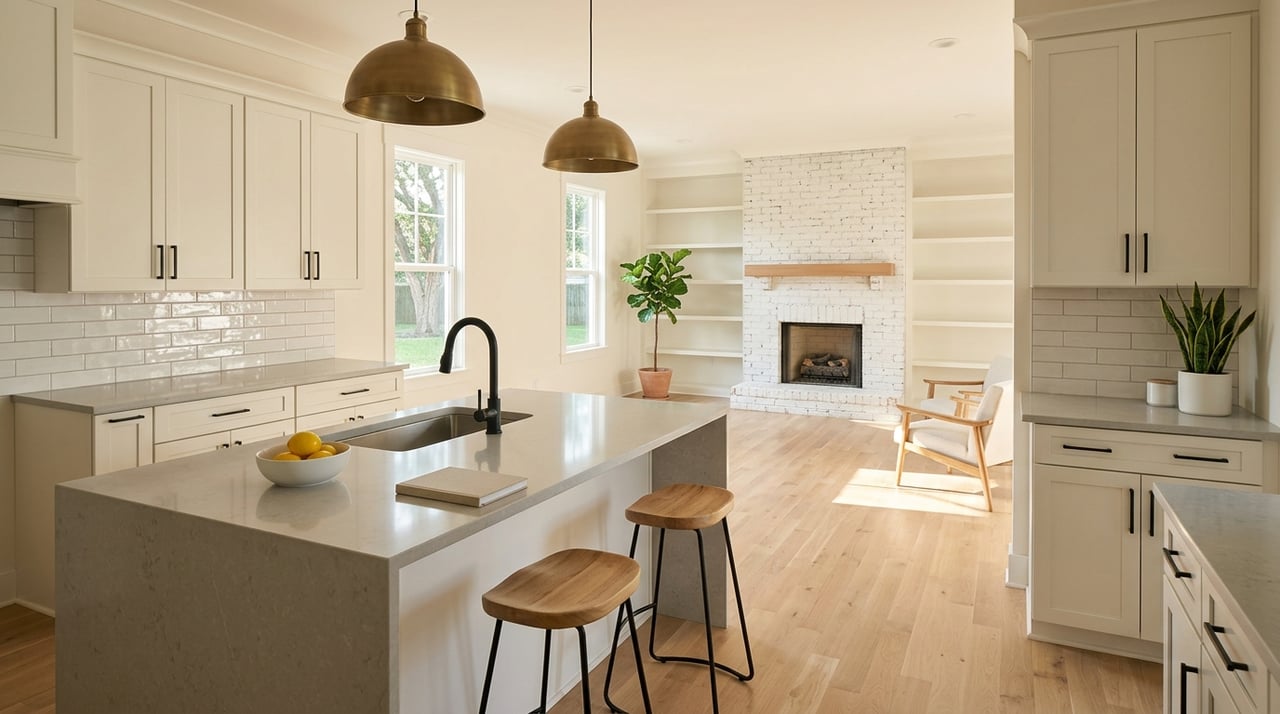
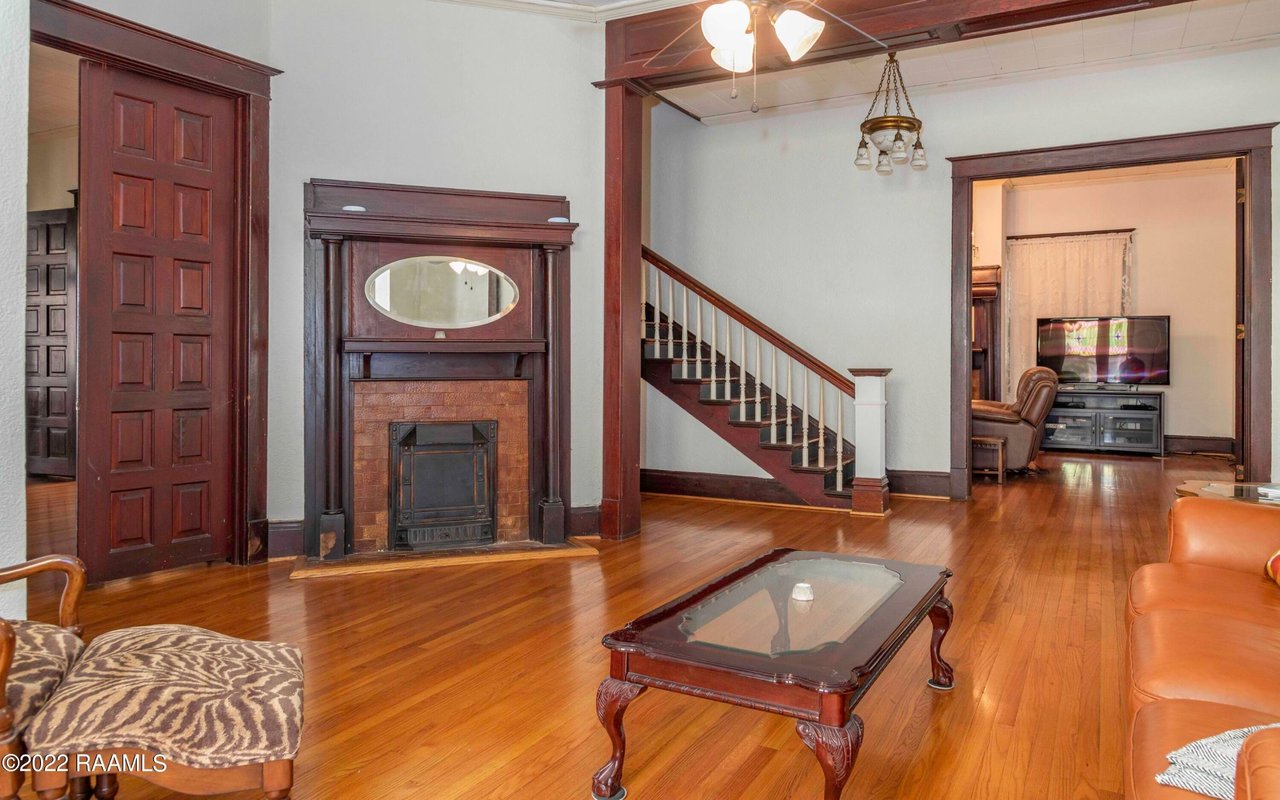

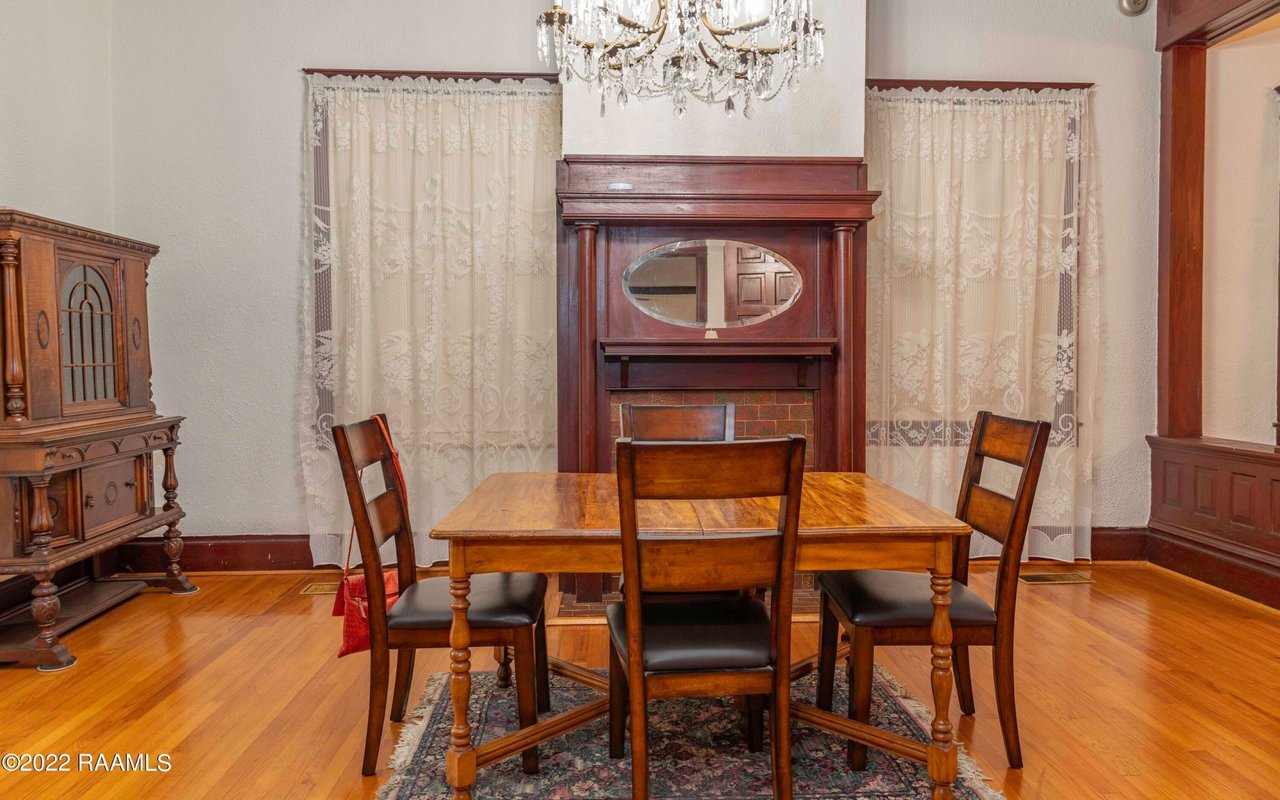
Trying to choose between a brand-new home and a resale in Youngsville? You are not alone. In a fast-growing market like Youngsville, the right choice often comes down to how you want to live, how soon you want to move, and how much work you want to take on after closing. This guide will help you compare both options in a practical way so you can make a confident decision that fits your budget, timeline, and long-term goals. Let’s dive in.
Why this choice matters in Youngsville
Youngsville has been growing quickly, and that growth shapes what buyers are weighing today. According to the U.S. Census Bureau’s Youngsville quick facts, the city reached an estimated population of 19,038 in July 2024, up from 15,929 in 2020. The same source shows an owner-occupied housing rate of 87.4% and a median owner-occupied home value of $287,700.
That matters because many buyers here are not just looking for a house. You are often choosing a home for the long term, which makes floor plan, neighborhood setting, and future resale value just as important as the list price.
Price expectations also vary depending on the source and the type of number being reported. Redfin’s Youngsville housing market data reported a median sale price of $297,500 in February 2026, while the research report also notes Zillow’s January 2026 typical home value at $274,209 and Realtor.com’s median list price at $350,000. In other words, there is no one-size-fits-all price point, which makes comparing new construction and resale even more important.
What new construction offers
New construction is often the best fit if you want more control over the home itself. According to the National Association of REALTORS® consumer guide to buying land and building a new home, buyers may be able to customize layout, exterior details, and finishes depending on the build stage. Even spec homes can sometimes allow selections like flooring, lighting, tile, countertops, cabinets, and vanities.
If you care a lot about how a home functions day to day, that flexibility can be a major advantage. You may be able to choose a plan that works better for your routines instead of trying to adapt to someone else’s past design choices.
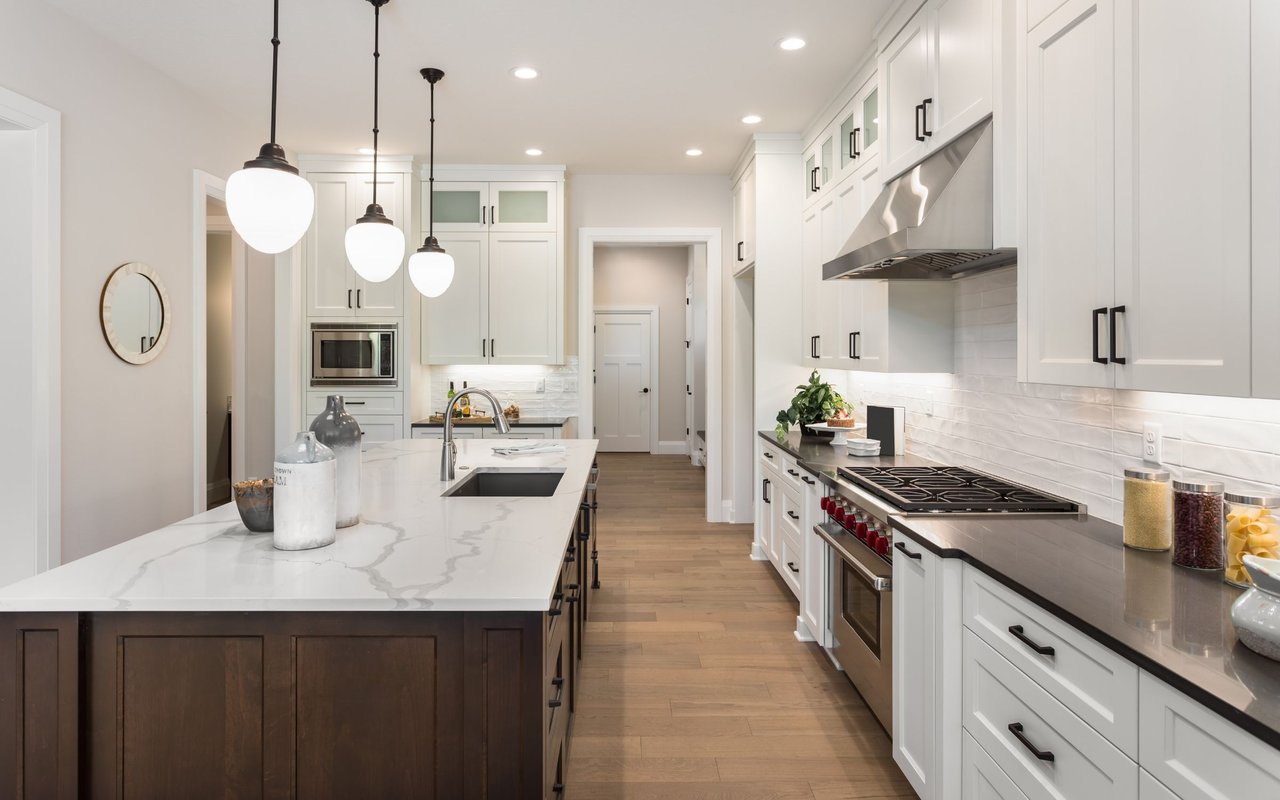
More say in layout and finishes
This is the biggest draw for many buyers. With new construction, you are often deciding between floor plans, finish packages, and upgrade options rather than settling for dated materials or a layout that needs work.
From a design standpoint, this can save you from making immediate renovation decisions after you move in. If your goal is to start with a home that feels more tailored to your needs, new construction can make that easier.
A longer timeline to expect
The tradeoff is time. NAR says the design phase often lasts three to six months, and construction typically takes at least 12 to 16 months. Youngsville’s development guide also outlines a local review process that can include plat review, design review, and permit review, with permit drawings typically taking 7 to 10 days for review before a permit can be issued.
That does not mean every new home purchase will take that long, especially if you are buying a home already under construction. Still, it does mean you should be realistic about timing if you need to move by a certain date.
Local new construction price examples
Youngsville has active new-home options across different price points. The research report cites Zillow’s Central Village new-construction listing showing a buildable plan at $297,900 for a 4-bedroom, 2-bath, 1,684-square-foot home, with nearby available homes from about $294,500 to $322,000. It also notes Manuel Builders’ Fairfax Phase II advertising homes from $236,500 with plans ranging from about 1,216 to 1,897 square feet.
These examples suggest that much of the local new-construction market is sold as a package of plan, lot, and finish selections. For many buyers, that is a practical middle ground between a fully custom home and a resale property.
Financing details to watch
New construction contracts often come with extra details that buyers do not always expect. The Consumer Financial Protection Bureau’s homebuying guidance notes that builders may ask for an upfront builder deposit. It also reminds buyers that you do not have to use the builder’s affiliated lender.
That is worth remembering. Even if the house is brand new, you should still compare financing options, review deposit terms carefully, and understand what happens if timelines shift.
What resale homes offer
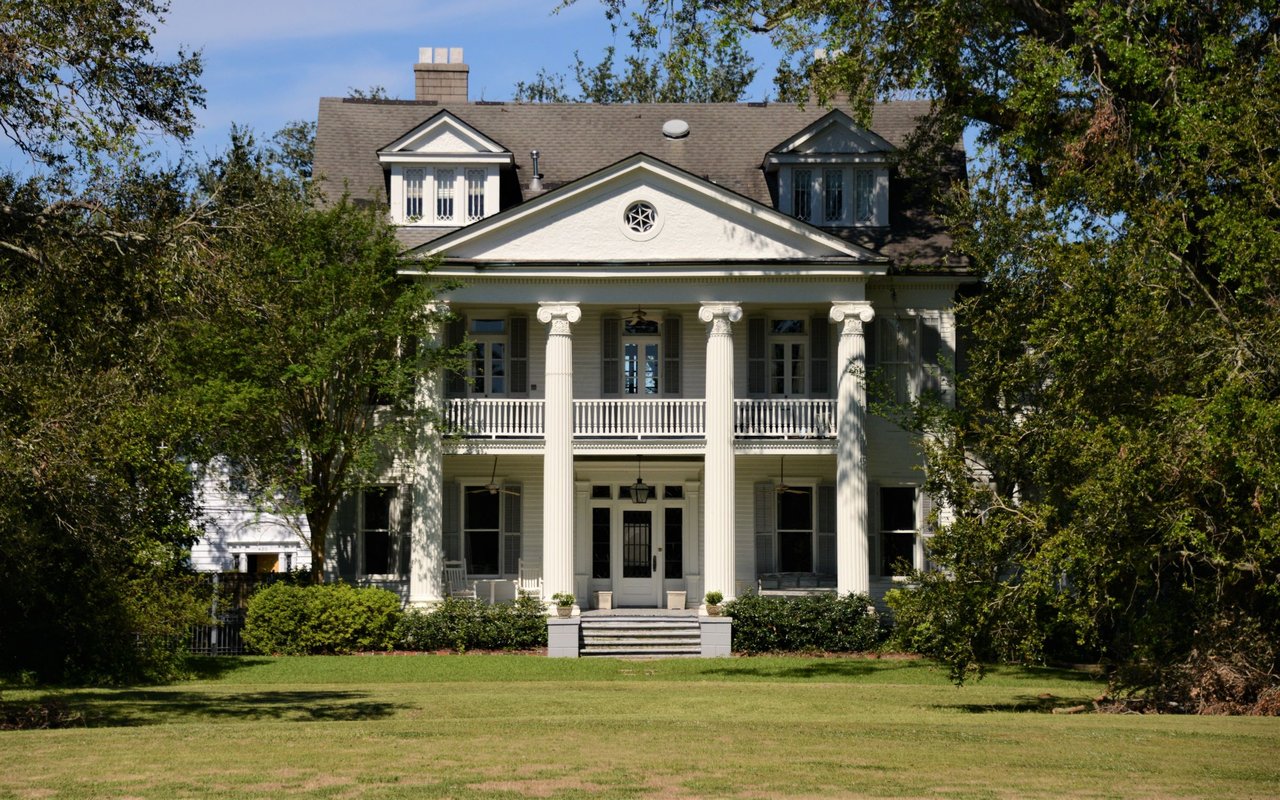
Resale homes usually make more sense if you want to move sooner or prefer to see exactly what you are buying before you commit. Because the home already exists, you can evaluate the lot, the street, the natural light, and the overall condition in person.
That can bring a different kind of confidence. Instead of making decisions from plans and allowances, you can walk through the space and judge how it feels and functions right now.
Faster move-in and more immediate clarity
A resale home can be the better fit if your timeline is tight. You are not waiting on construction schedules, material delays, or final completion.
The CFPB also recommends making offers contingent on financing and a satisfactory inspection so you are not locked into a purchase if serious issues come up. That makes due diligence especially important, but it also gives you a clearer picture of the property before closing.
Renovation potential can add value
For design-conscious buyers, resale often offers a different kind of opportunity. The 2025 NAR Remodeling Impact Report says homeowners most often remodel to upgrade worn-out surfaces, finishes, and materials, or to improve energy efficiency. The same report notes that 46% of REALTORS® see buyers as less willing to compromise on condition than in the past.
That creates an opening if you can look past cosmetic issues. If the layout, lot, and location are strong, a resale home with dated finishes may give you room to improve the property over time instead of paying for every upgrade upfront.
Improvements buyers notice
The same NAR report highlights projects with strong resale appeal, including:
- Steel front doors
- Closet renovations
- Fiberglass front doors
- Vinyl windows
- Complete kitchen renovations
- New roofing
This does not mean every project is worth doing right away. It does suggest that if you buy a resale home, thoughtful updates can improve both day-to-day livability and future marketability.
Youngsville-specific due diligence
Whether you buy new or resale, local due diligence matters. On resale homes especially, you will want to look beyond finishes and ask practical questions about systems, site conditions, and ongoing costs.
The CFPB advises buyers to research disaster risk and insurance costs before committing. The research report also notes that Lafayette Consolidated Government’s floodplain information references the parish’s effective flood maps, which went into effect on December 21, 2018 and are used for building requirements and flood insurance rates.
For a Youngsville purchase, it is smart to weigh:
- Flood zone status
- Drainage patterns
- Roof age
- HVAC age
- Insurance costs
- Any history of water intrusion
- HOA fees, if applicable
These details can affect your monthly budget just as much as the sales price.
Compare total ownership cost
One of the biggest mistakes buyers make is comparing only sticker prices. A lower-priced resale may need repairs or updates right away, while a new build may come with a higher purchase price or builder deposit.
The CFPB’s budgeting guidance for homebuyers says closing costs typically range from 2% to 5% of the purchase price. It also reminds buyers to budget for property taxes, homeowners insurance, flood insurance, HOA fees, maintenance, and utilities.
A simple way to compare
When you look at new construction versus resale in Youngsville, compare these side by side:
| Factor | New Construction | Resale |
|---|---|---|
| Timeline | Often longer | Usually faster |
| Layout choices | More flexibility | Existing layout |
| Finish selection | Often available | Usually limited unless you renovate |
| Upfront repairs | Often lower at move-in | Can be higher depending on condition |
| Neighborhood feel | May still be developing | More established setting |
| Monthly cost surprises | Can include HOA or higher price point | Can include repairs, updates, or insurance changes |
This kind of comparison helps you see the full picture instead of focusing on one number.
Think about long-term resale
Your future buyer may value the same things you do now. Youngsville’s growth guidance plan shows that the city has focused on encouraging enduring neighborhoods with more housing options, not just rapid supply. The document also describes Sugar Mill Pond as a mixed-use planned community with more than 2,000 housing units, a school, and a town center.
That planning context matters because neighborhood identity, amenities, and practical design can all shape long-term appeal. The same research report notes that Youngsville’s welcome materials highlight the Sports Complex and continued parks and expansion planning, which points to the value buyers may place on well-planned surroundings and community amenities.
In simple terms, a home’s resale strength is not just about square footage. It is also about how well the home fits its setting, how functional the floor plan is, and whether the property feels easy to live in.
How to decide which is right for you
A practical rule of thumb is simple. Choose new construction if layout control, finish selection, and a more structured design process matter most to you. Choose resale if you want to move sooner, prefer an established setting, or are open to improving a home in phases.
If you are torn, it helps to ask yourself a few honest questions:
- Do you need to move on a specific timeline?
- Do you want to choose finishes now or update later?
- Are you comfortable with renovation projects after closing?
- Would you rather pay more upfront for newness or spread improvements out over time?
- Is neighborhood feel more important to you than having a brand-new home?
The right answer is usually not about which option is better on paper. It is about which type of value fits your life best.
If you want help weighing floor plan function, renovation potential, or the real pros and cons of specific homes in Youngsville, Joan Beduze offers practical, design-minded guidance to help you make a smart move with clear eyes.
FAQs
What is the main benefit of buying new construction in Youngsville?
- New construction in Youngsville is often best if you want more control over layout, finishes, and the overall design process.
What is the main benefit of buying a resale home in Youngsville?
- A resale home in Youngsville can offer faster move-in, a more established setting, and the chance to renovate over time instead of paying for every upgrade upfront.
How long can new construction take in Youngsville?
- Based on NAR guidance and the local review process cited in the research report, new construction can involve months of planning and at least 12 to 16 months of construction, depending on the stage of the home.
What extra costs should buyers compare in Youngsville?
- Buyers should compare closing costs, property taxes, homeowners insurance, flood insurance, HOA fees, utilities, maintenance, and any immediate repair or upgrade needs.
What should resale buyers check before buying a home in Youngsville?
- Resale buyers in Youngsville should look closely at flood zone status, drainage, roof age, HVAC age, insurance costs, inspection findings, and any history of water intrusion.
Is new construction always more expensive than resale in Youngsville?
- Not always, because pricing varies by neighborhood, builder, home size, condition, and what updates or repairs a resale home may need after closing.