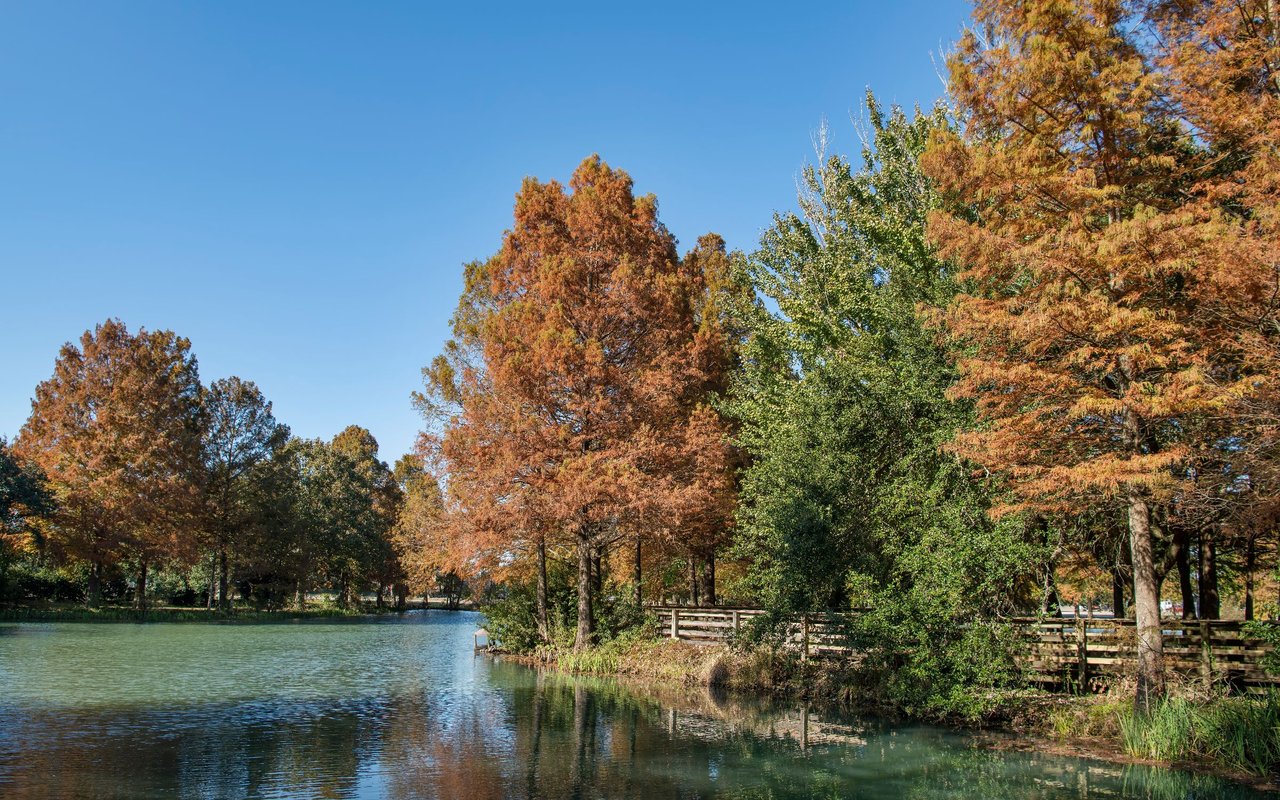
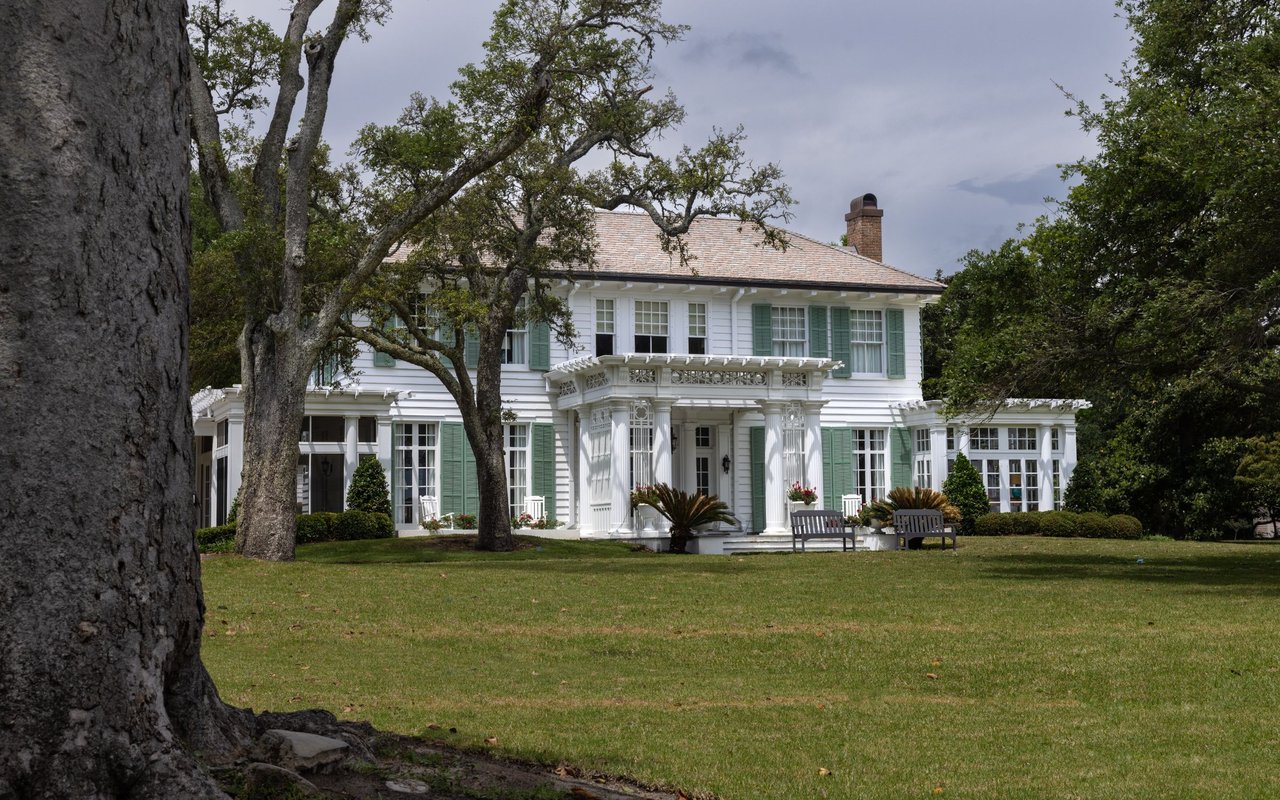
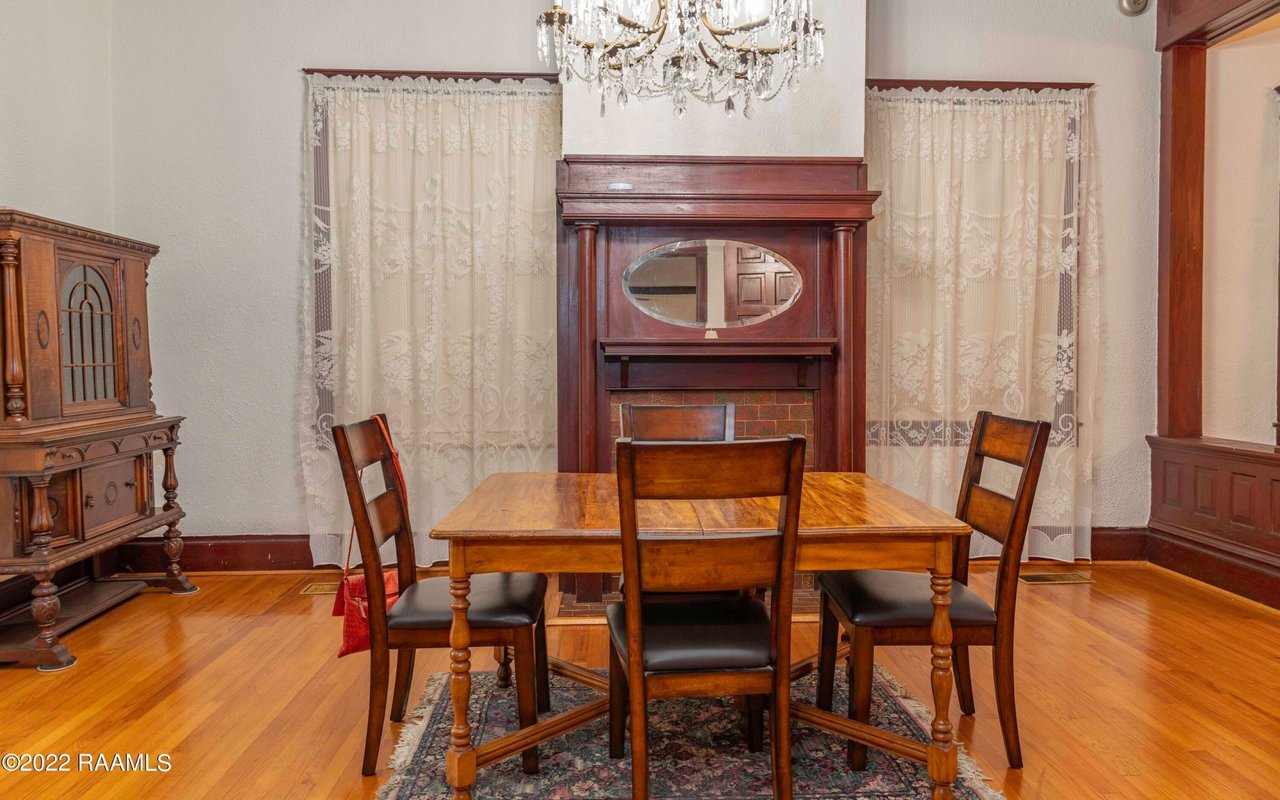
Looking for a place where errands feel less rushed and weekends still have a sense of discovery? Sunset offers a small-town pace with a creative streak, shaped by older buildings, local shops, and a strong sense of place. If you are thinking about buying in Sunset or simply want to understand what daily life here feels like, this guide will walk you through the town’s character, architecture, shopping scene, and regional convenience. Let’s dive in.
Why Sunset Feels Different
Sunset was established in 1904, and that long history still shows up in the way the town feels today. The town describes itself as preserving its down-home style while welcoming growth and progress, which helps explain why Sunset feels steady and lived-in rather than fast-changing.
It is also a true small town by scale. DataUSA estimates a 2024 population of 3,074, with a 71.3% homeownership rate and a median property value of $206,100. For many buyers, that points to a community where homeownership is common and daily life is more grounded than hurried.
Sunset’s civic life adds to that feeling. Town hall, a community center, a library, parks and recreation, schools, and regular municipal meetings all help anchor the town in everyday routines, not just weekend activity.
Small-Town Living in Practice
Small-town living is not only about size. It is also about rhythm. In Sunset, that rhythm comes from a compact downtown core, local events, familiar businesses, and a slower pattern of movement.
The town’s comprehensive plan identifies the downtown core around Napoleon Avenue and Marie Street. It also notes that some routes still need better sidewalks and crossings, which is useful context if you are picturing a polished, highly walkable downtown. Sunset is better understood as a slower, evolving small town with pockets of activity rather than a fully walkable urban center.
That matters when you are deciding whether the lifestyle fits you. If you like the idea of driving a short distance to local shops, running into familiar spots again and again, and having larger services within reach, Sunset may feel comfortable and practical.
Sunset’s Shops and Local Culture
One of the clearest parts of Sunset’s identity is its arts-and-antiques scene. The St. Landry Parish Tourist Commission says the town has flourished with antique malls, thrift shops, antique stores, art galleries, restaurants, and a farmers market.
That gives Sunset a kind of everyday charm that goes beyond just being quiet. You are not moving to a place with nothing going on. You are moving to a place where the activity feels more local, more personal, and often tied to small businesses and recurring community events.
Two annual draws help show that character. The Exit 11 Yard Sale in March and the Herb & Garden Festival in May bring repeat energy to town and reflect the kind of community calendar many buyers look for when they want a place with personality.
Places That Shape the Experience
Several local stops help define what a day in Sunset can look like. Sunset Antique Market occupies vintage warehouses on an old sweet potato farm and offers more than 10,000 square feet of antiques, art, and collectibles.
The Funky Flea adds another layer, mixing mid-century, art deco, and primitive finds with work by local artists. DDee’s Café, set in a blue bungalow near the Sunset Rail Stop Flea Market, reinforces the town’s smaller-scale, older-building charm.
If you are someone who notices buildings as much as businesses, these places tell you a lot about Sunset. They show a town where reuse, personality, and local creativity shape the experience more than chain retail or big-box development.
Food, Craft, and Heritage
Sunset’s culture is not limited to shopping. Sunset Crawfish offers an everyday food stop after browsing local stores, while Tee Don’s Rubboards reflects the town’s craft tradition and zydeco roots.
The parish tourism commission also notes that French is spoken here and places Sunset within a broader Acadian, Creole, and French cultural corridor. For buyers, that does not mean daily life is performative or tourist-driven. It means the town sits inside a region where heritage still influences music, craft, language, and local identity.
What Architecture Looks Like in Sunset
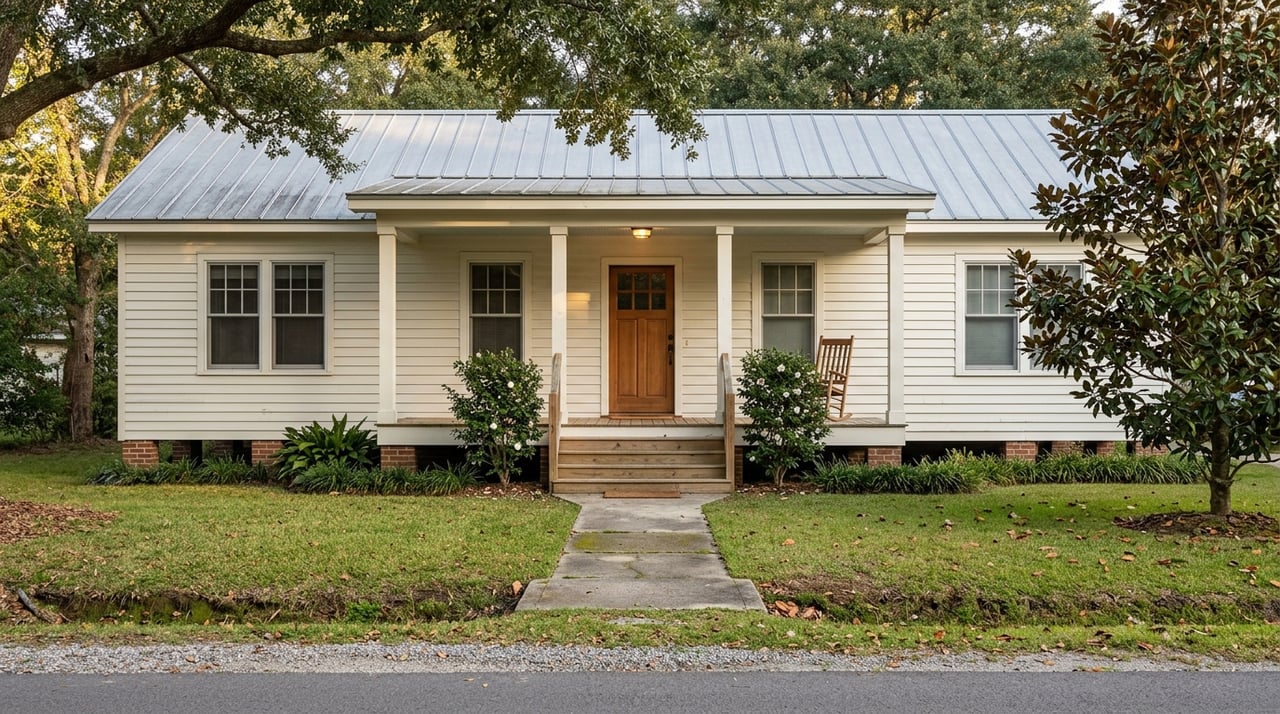
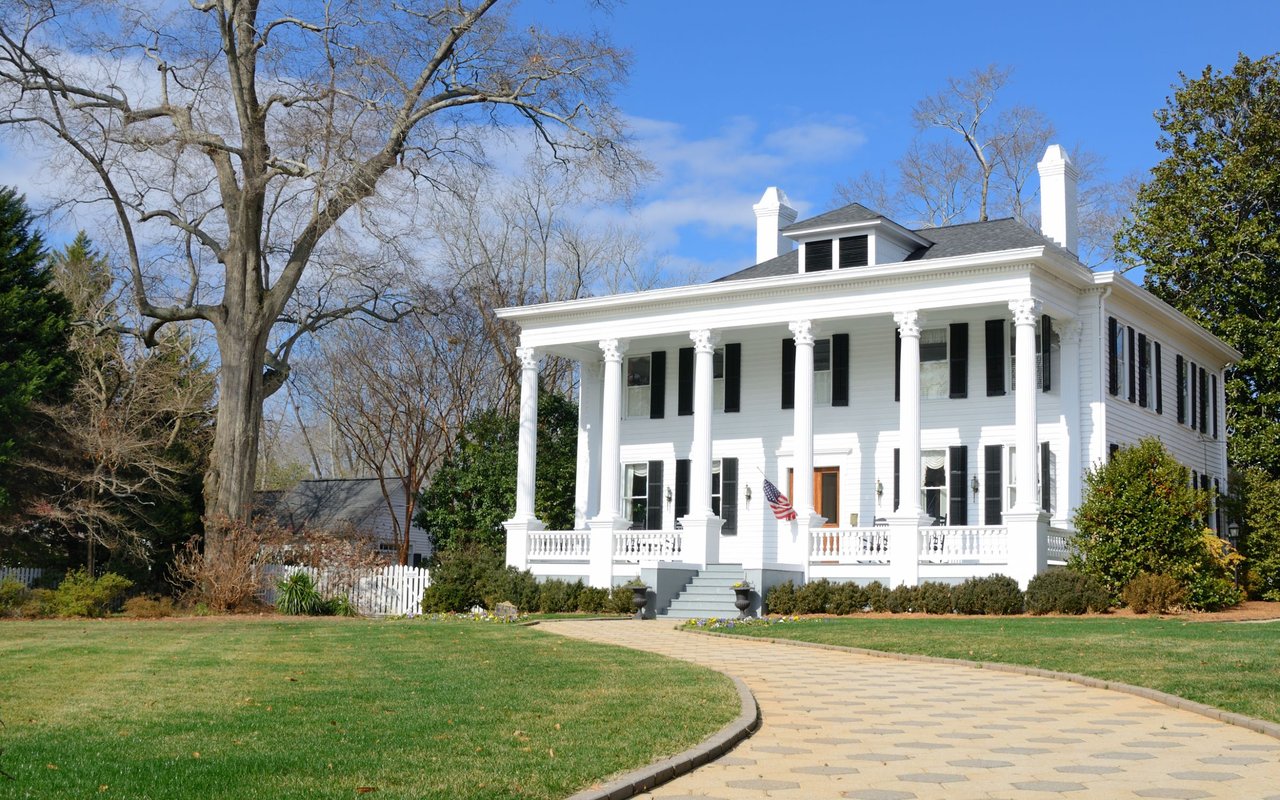
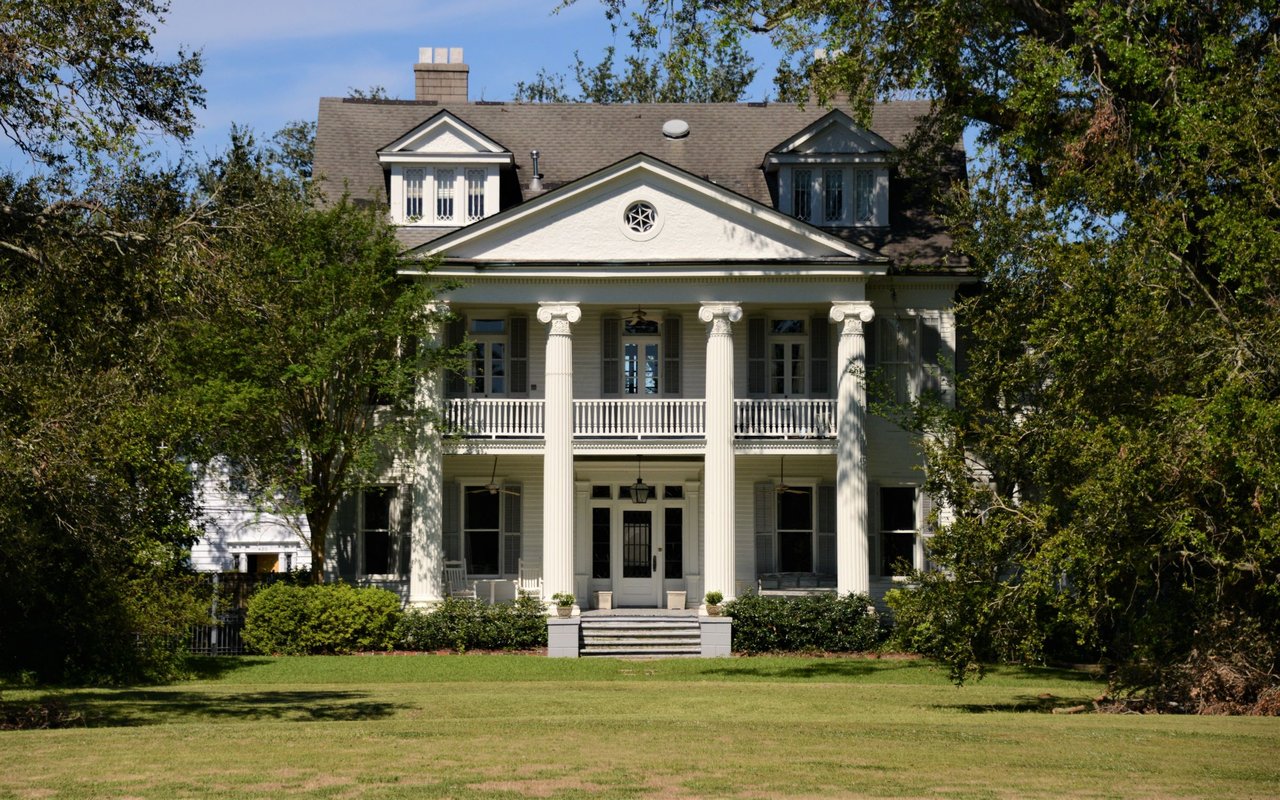
If you are expecting one clean architectural label, Sunset is probably not that kind of town. The safer and more accurate way to understand Sunset’s built environment is through scale, age, and reuse.
Tourism sources point to vintage warehouses, bungalow-scale commercial spaces, and older storefront settings. The National Register nomination for Sunset High School describes a 1926 two-story masonry school that the town hoped to restore for municipal use, which adds another example of how civic history and older structures continue to shape the town.
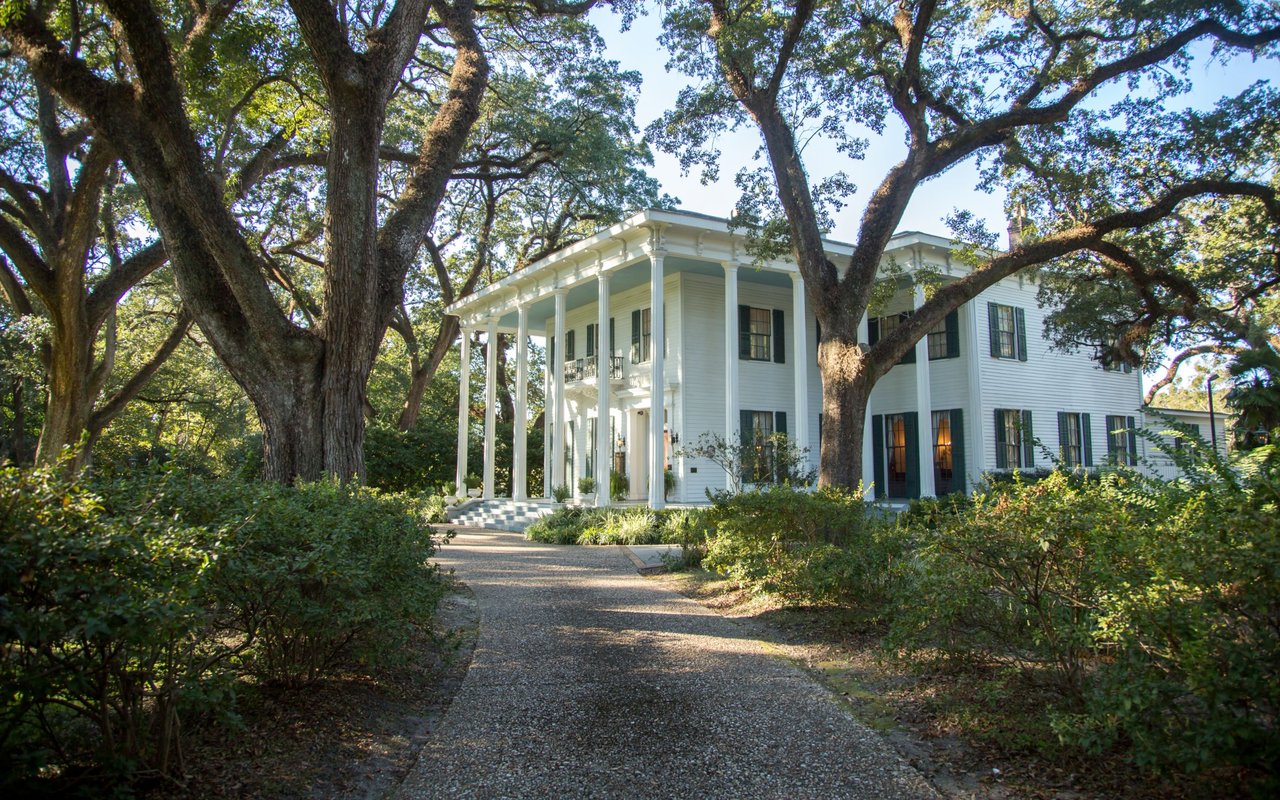
Taken together, Sunset feels more like a small-town mix of historic civic buildings, converted commercial spaces, and compact residential-scale structures than a master-planned suburb. That distinction matters if you are drawn to places with texture and variety rather than uniformity.
Why That Matters for Buyers
A town’s architecture affects more than curb appeal. It shapes how streets feel, how businesses fit into daily life, and what kinds of properties may appeal to you over time.
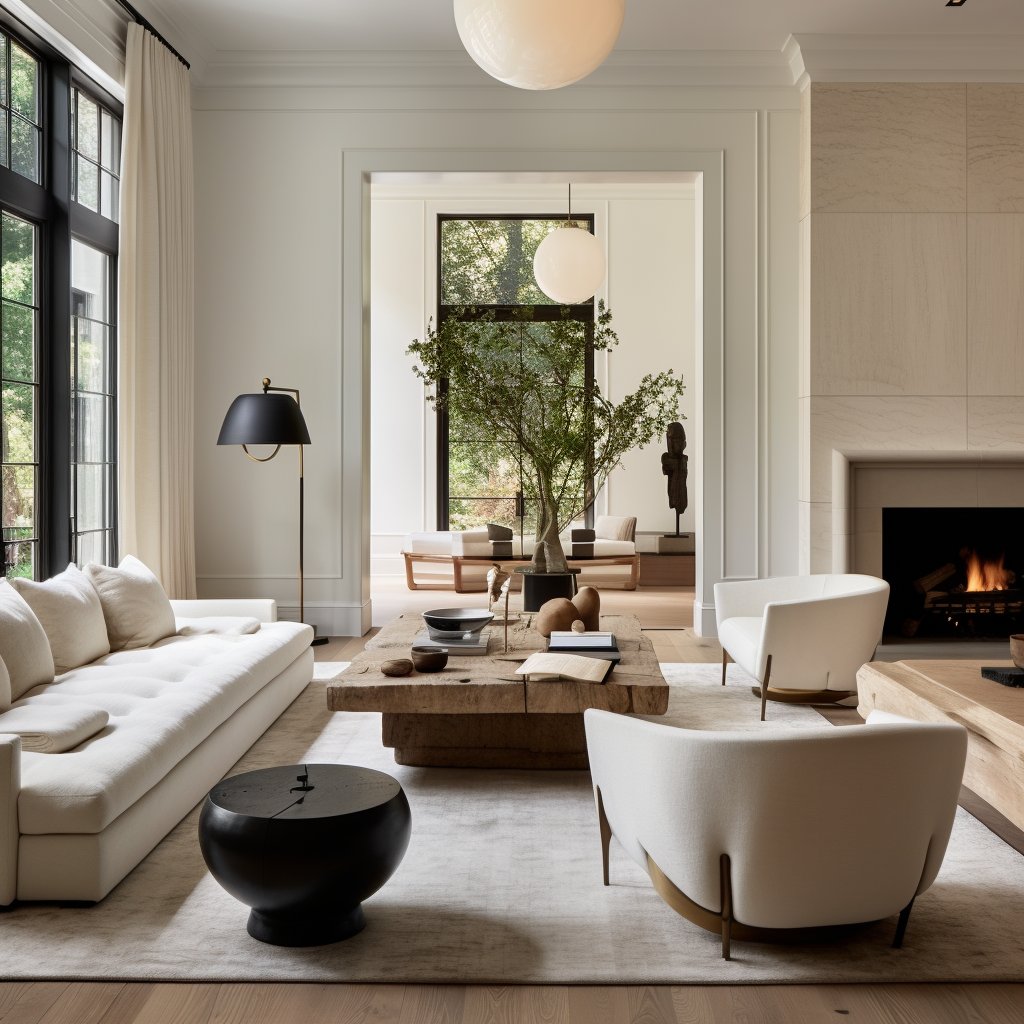
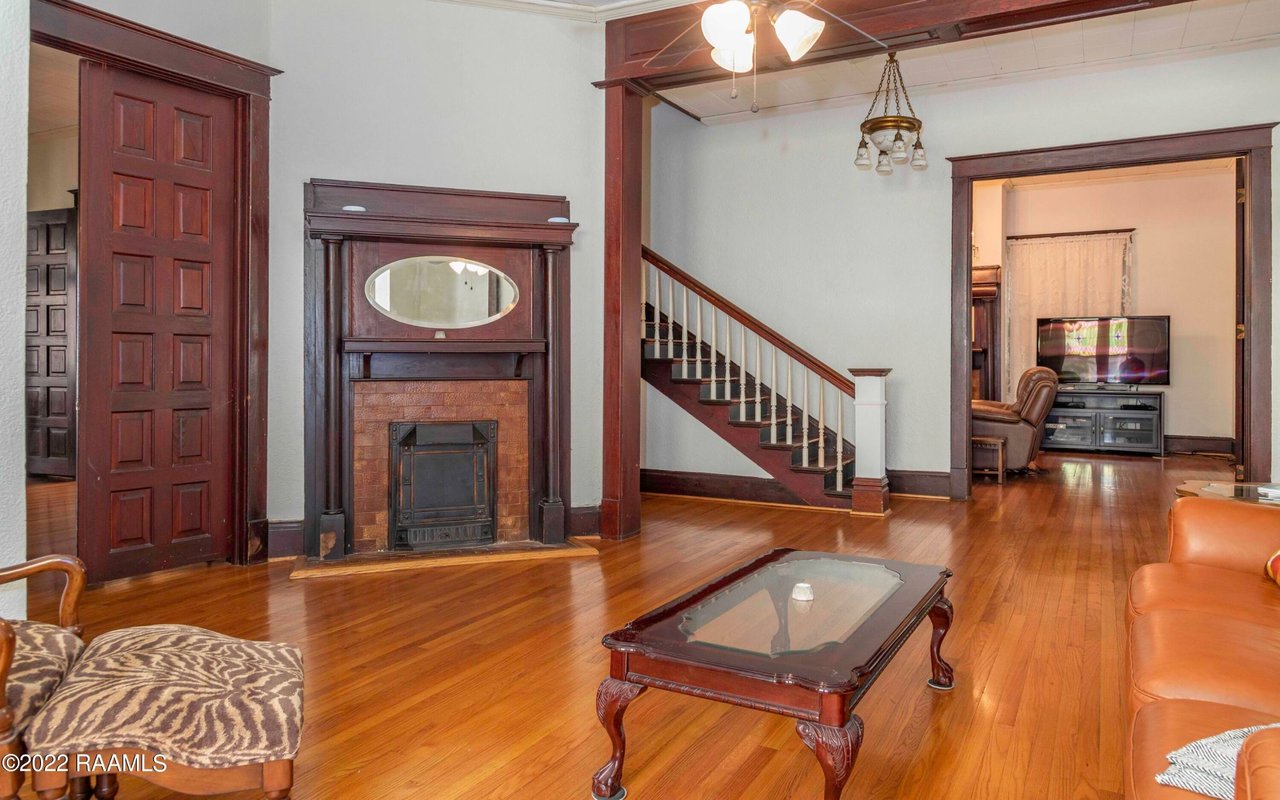
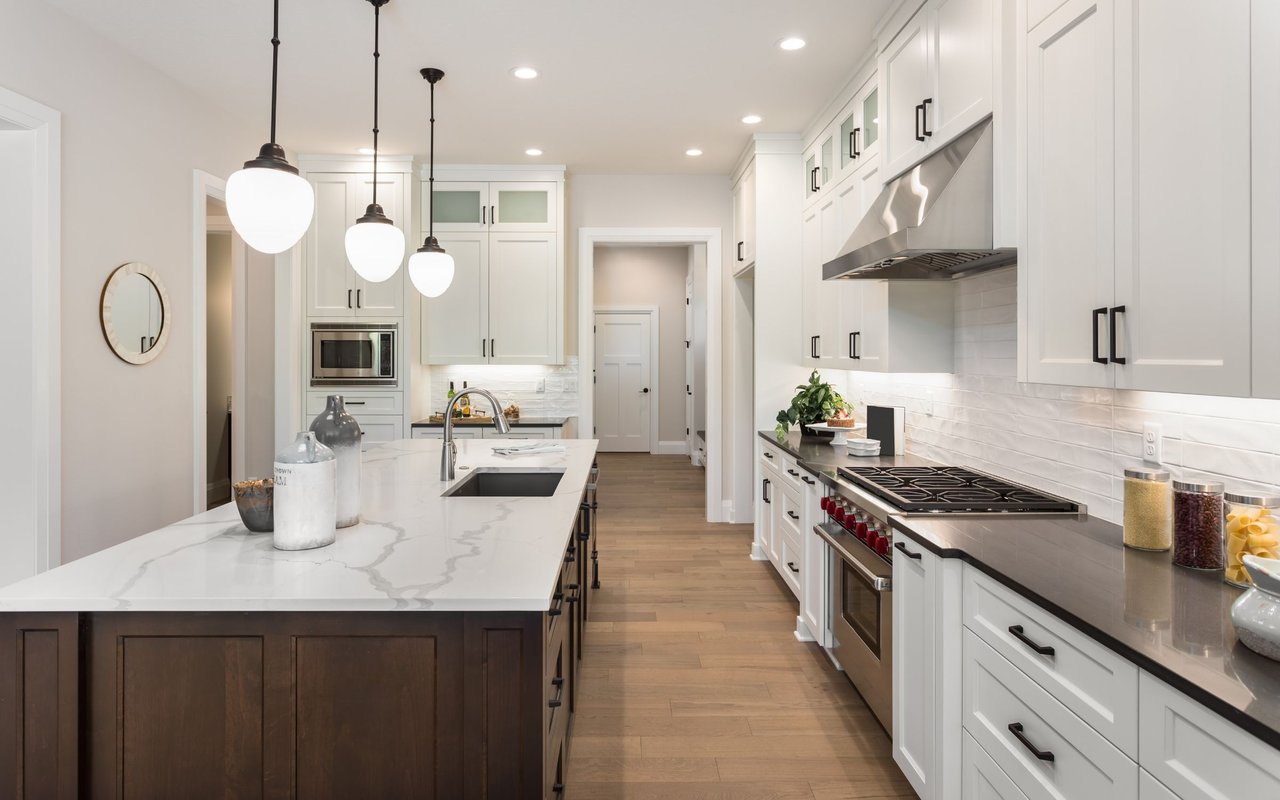
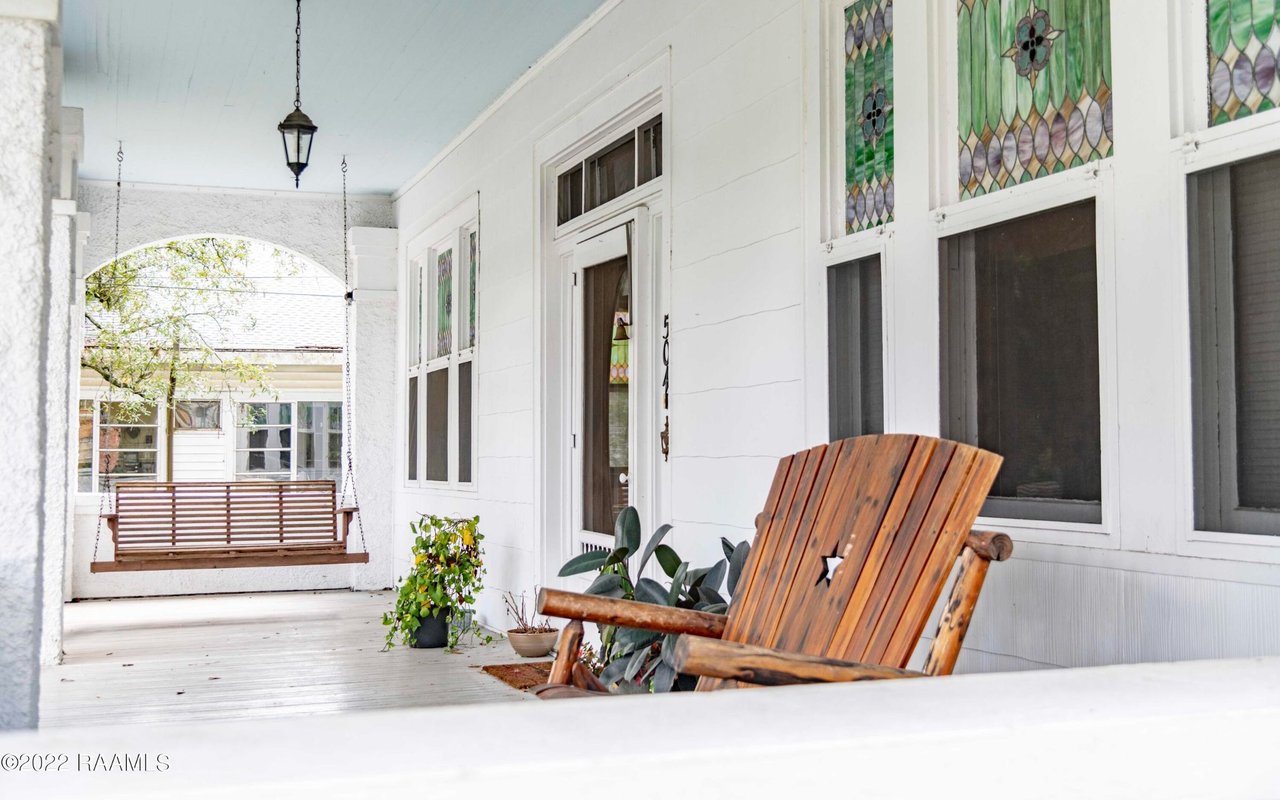
In Sunset, older-building character can be a plus if you appreciate homes and spaces with personality. From a design-minded perspective, towns like this often invite you to look past surface finishes and think about layout, light, structure, and long-term potential.
That is especially useful if you are comparing Sunset with newer areas that may feel more predictable but less distinctive. Character does not automatically mean perfect, of course. It means you may want to evaluate homes carefully, with attention to function, upkeep, and what improvements could add value over time.
Everyday Convenience and Regional Access
Slower living does not mean being cut off. Sunset sits at I-49 Exit 11, marked Grand Coteau/Sunset by the Louisiana Department of Transportation and Development, and parish tourism materials place St. Landry Parish along the I-49 corridor between Alexandria and Lafayette.
The same parish tourism materials note that the parish is about a 20-minute drive from Interstate 10. DOTD also references the I-49 and US 167 Opelousas interchange in nearby Lafayette Parish, which helps show Sunset’s practical connection to north-south travel routes.
For many buyers, this is a big part of the appeal. You can enjoy a smaller-town home base while still having workable access to Opelousas, Lafayette-area routes, and the wider region.
What Daily Travel May Feel Like
DataUSA reports an average commute time of 33.4 minutes, with most workers driving alone. That supports a simple but important point: Sunset is car-oriented.
If you are moving from a larger city, that may not feel unusual. If you are hoping for a highly walkable, self-contained downtown lifestyle, Sunset may not match that picture. But if you want a quieter town with regional connectivity, the location makes sense.
A National Register nomination for Sunset High School noted that Opelousas was about 11 miles north of Sunset. That helps put the town in perspective. You get breathing room and a slower pace without giving up access to larger parish services.
Is Sunset a Good Fit for Homebuyers?
That depends on what you value most. Sunset may be a strong fit if you want a town with established character, a visible local business scene, and a pace that feels more relaxed than suburban sprawl.
It can also make sense if you like homes and communities that invite a little imagination. Because Sunset’s identity is tied to older buildings, adaptive reuse, and a modest town scale, it often appeals to buyers who care about livability, not just square footage.
From a practical standpoint, the local housing profile offers useful context. With a 71.3% homeownership rate and a median property value of $206,100, Sunset presents itself as a place where ownership is a meaningful part of community life.
A Design-Minded Way to Evaluate Sunset Homes
If you are seriously considering a home in Sunset, try to look beyond cosmetic updates. Pay attention to how a property works day to day.
Ask questions like:
- Does the layout support how you actually live?
- Is there usable natural light in main living areas?
- Does the lot, access, or setting fit your routine?
- Are you buying character you can build on, or repairs you do not want to take on?
- If updates are needed, will they improve function as well as appearance?
That kind of evaluation matters in any market, but especially in a town where older structures and individual property character can play a bigger role. A candid, practical review can help you spot both the charm and the tradeoffs.
The Appeal of Slower Days
For many people, the real draw of Sunset is not one shop or one block. It is the overall feeling. You can browse antiques, grab a bite, drive where you need to go, and return home to a town that still feels personal.
That slower pace is not about having less. It is about having a different kind of daily experience. In Sunset, the mix of civic life, local culture, older buildings, and regional access creates a lifestyle that feels grounded and distinct.
If that sounds like the kind of place you have been hoping to find, Sunset is worth a closer look. And if you want help evaluating homes here with an eye for both value and livability, Joan Beduze can help you think through the good, the bad, and the real potential in a property.
FAQs
What is small-town living like in Sunset, Louisiana?
- Sunset offers a slower pace shaped by local shops, civic spaces, community events, and a compact town center, while still being connected to the region by car.
What kinds of shops and attractions are in Sunset, Louisiana?
- Sunset is known for antique malls, thrift shops, antique stores, art galleries, restaurants, a farmers market, and recurring events like the Exit 11 Yard Sale and Herb & Garden Festival.
What does architecture look like in Sunset, Louisiana?
- Sunset is best understood as a mix of older civic buildings, converted commercial spaces, vintage warehouses, bungalow-scale buildings, and compact residential-scale structures rather than a uniform suburban development pattern.
Is Sunset, Louisiana, convenient for commuting?
- Yes. Sunset sits at I-49 Exit 11, and DataUSA reports that most residents drive alone with an average commute time of 33.4 minutes, making it a regionally connected, car-oriented town.
Is Sunset, Louisiana, close to Opelousas?
- Yes. A National Register nomination for Sunset High School noted that Opelousas is about 11 miles north of Sunset, which helps explain the town’s access to larger parish services.
What should buyers look for when shopping for a home in Sunset, Louisiana?
- Buyers should look beyond finishes and pay attention to layout, natural light, functionality, upkeep, and whether a home’s character comes with practical long-term potential.