Why does the same small town produce four different median home prices depending on which website you check in the same month?
Pull up St. Martinville listings this September and one source puts the median sale price at $62,000 for January, down more than half from a year earlier. Another shows an average home value above $156,000, climbing. A third reports a trailing twelve month median of $170,000, up 3 percent. Look at the same zip code, 70582, from a fourth source and current for-sale inventory ranges from $24,900 to $665,000, with recently sold prices spanning $34,513 to $528,989.
None of these numbers are wrong. They are measuring different slices of the same small housing stock, and the gap between them tells a buyer or investor more than any single figure could on its own.
Three Segments, One Zip Code
St. Martinville's inventory splits into three groups that behave almost nothing alike.
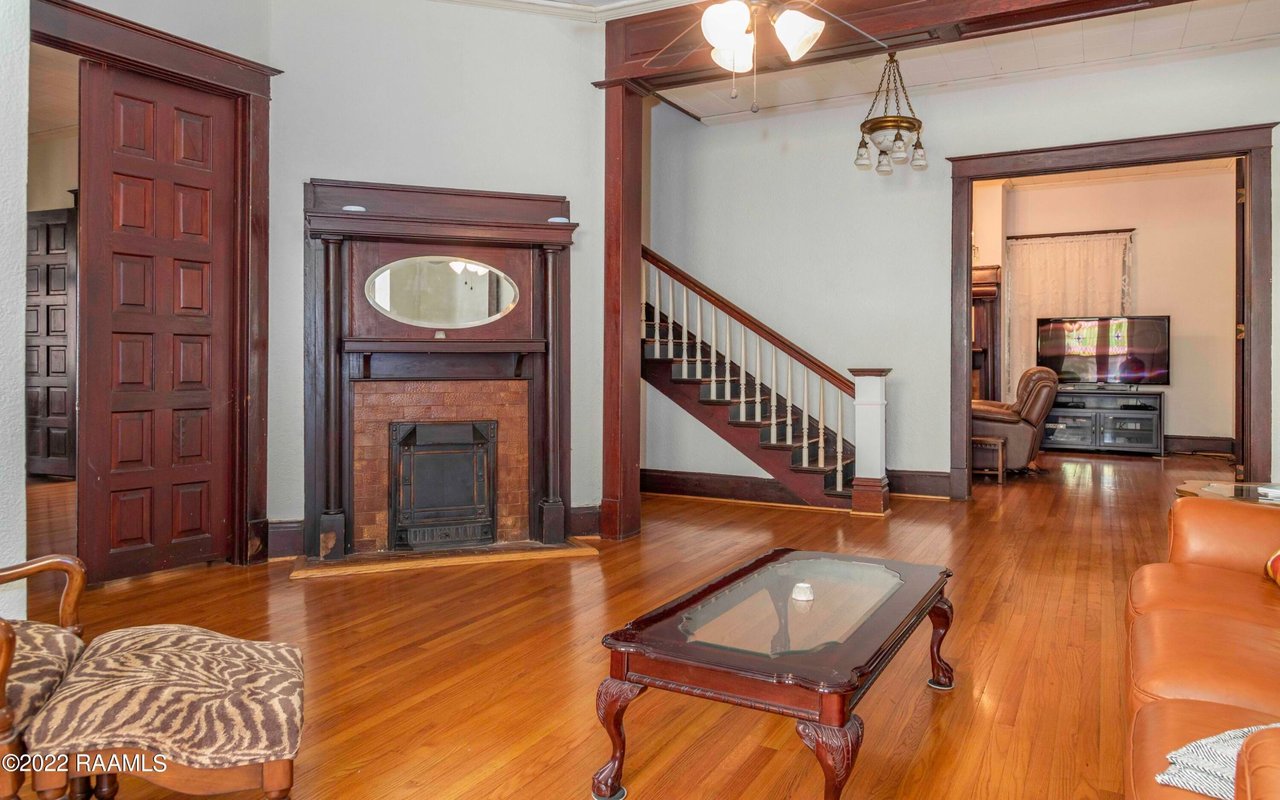
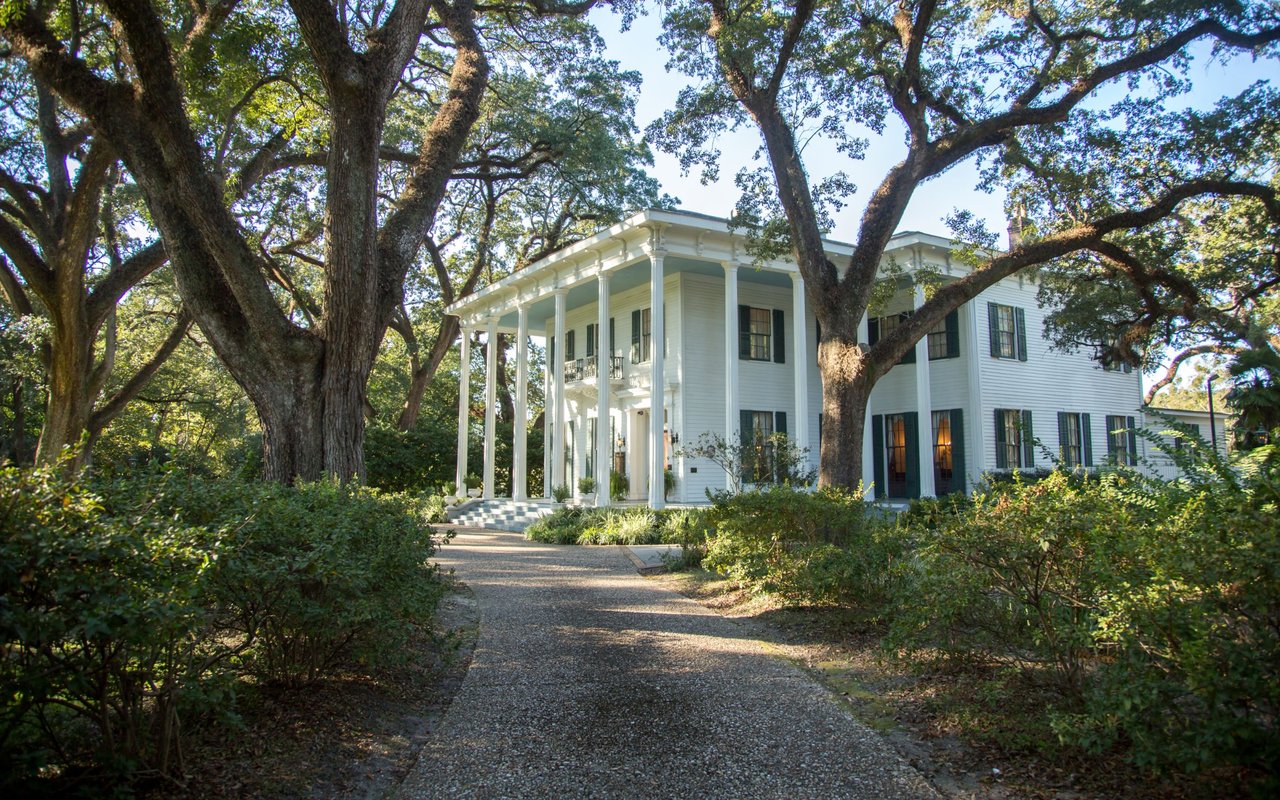
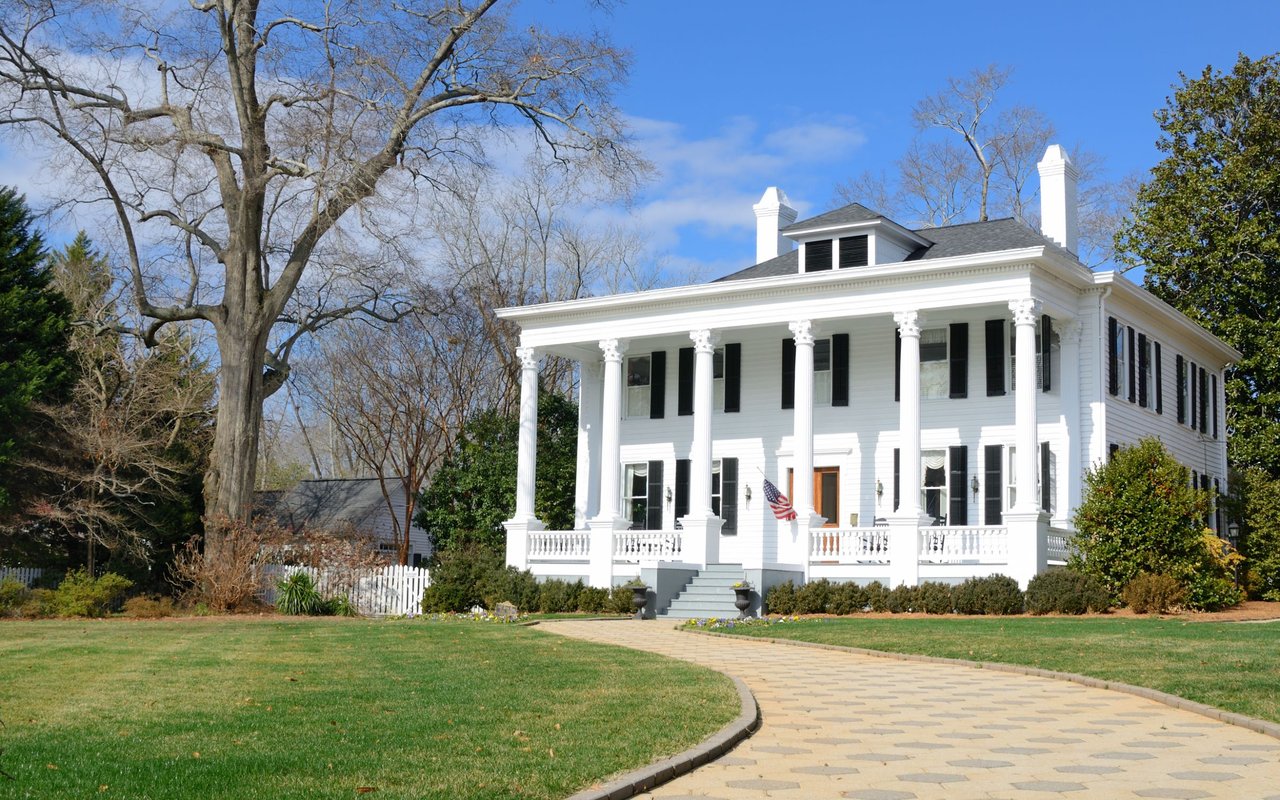
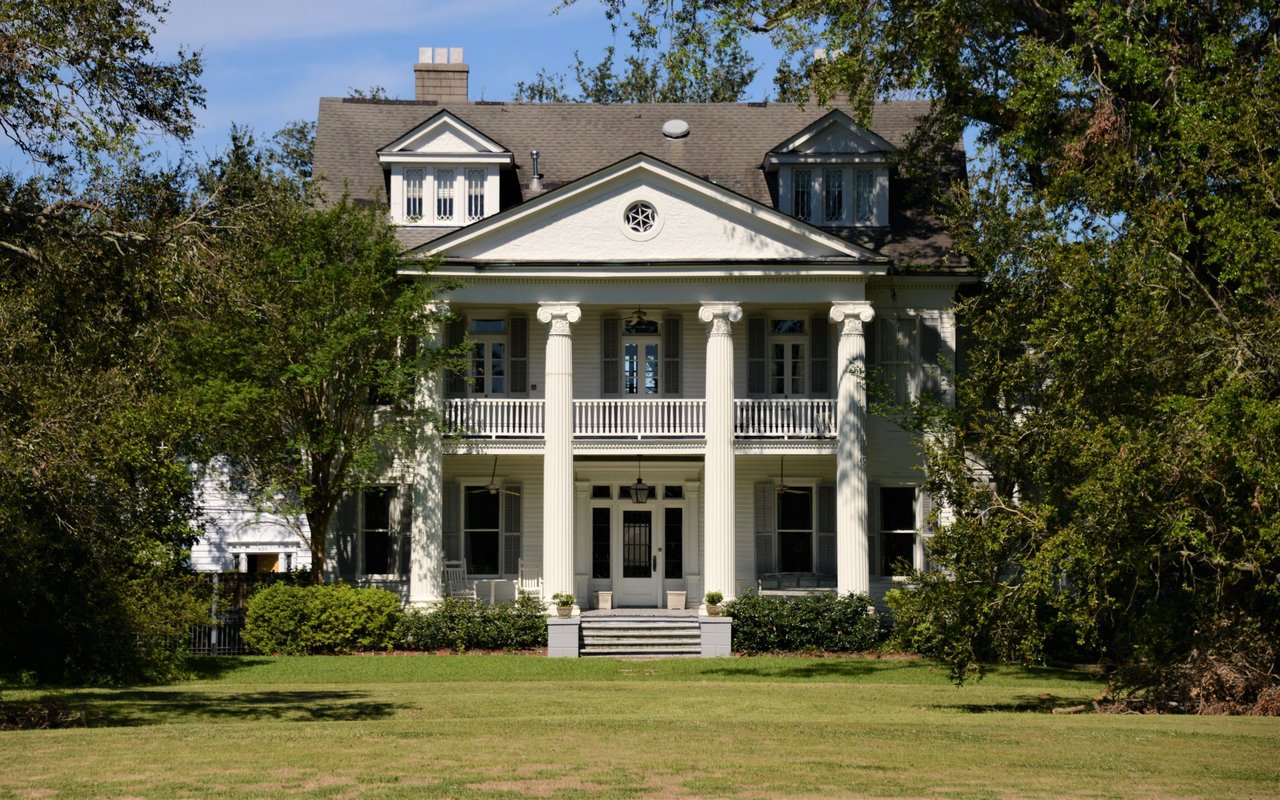
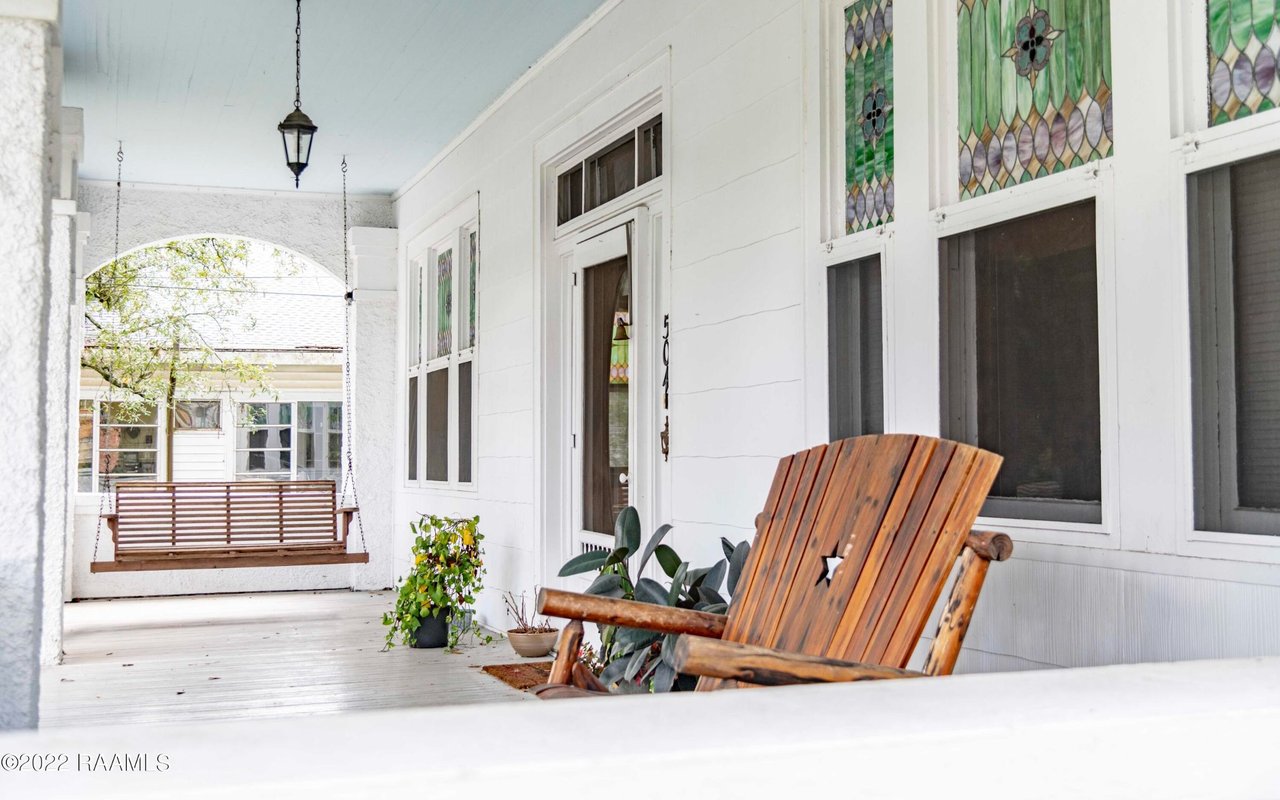
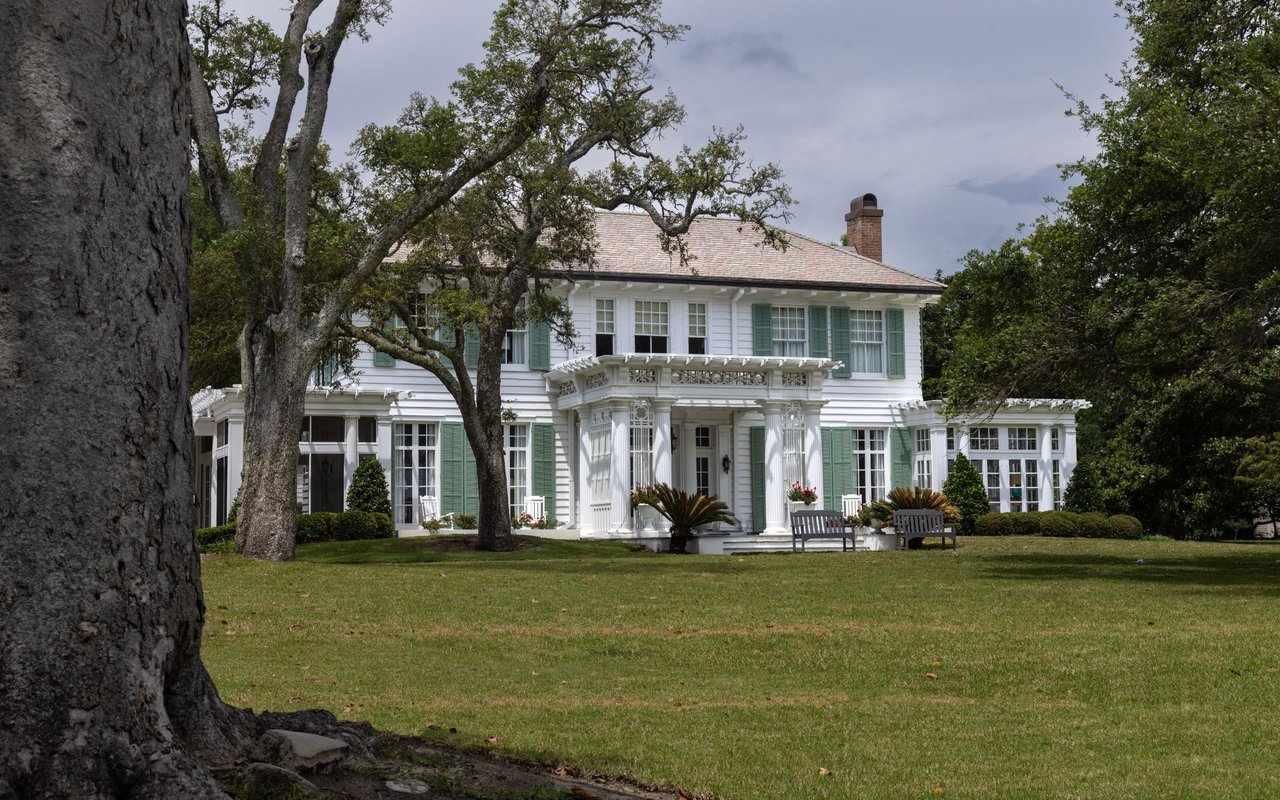
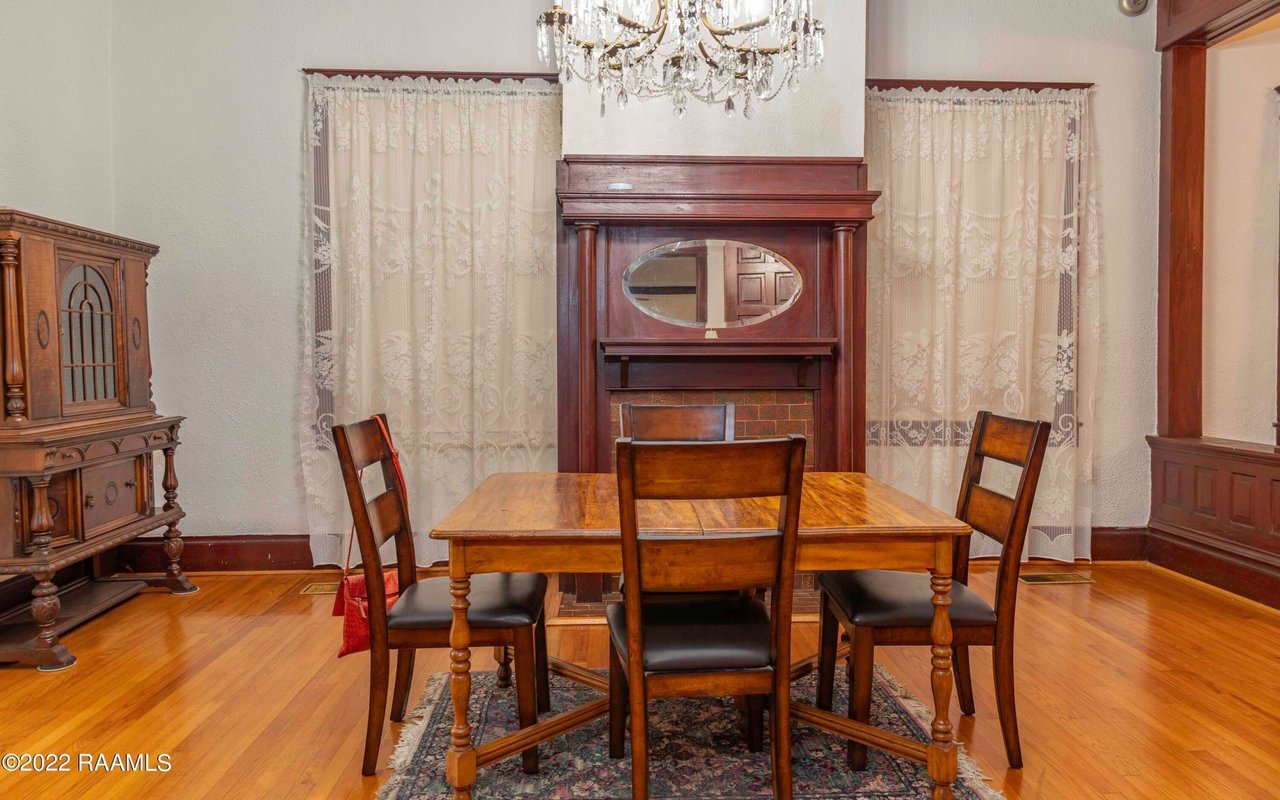
The first is the historic core around downtown and the Evangeline Oak, where character homes trade on original wood floors, tall ceilings and proximity to St. Martin de Tours Catholic Church. These are the listings that show up with phrases like "New Orleans-style" and a "jaw-dropping renovated kitchen," and they carry a premium that a town-wide median erases completely.
The second is older, more modest housing scattered through established neighborhoods and named subdivisions like Leblanc Estates, Westpoint, Cypress Crossing and Belle Terre. One tally of recent local inventory puts the average home size at 1,845 square feet, the average age at 41 years, and the average price per square foot at $127. This is the bulk of the market by volume, and it does most of the work pulling a citywide median toward the low end.
The third is raw acreage marketed for new construction, the "build your dream home" country lots on restricted parcels that recur across current listings, often under an acre, priced for the land rather than any structure sitting on it.
A single median blends a four-bedroom across from the town square with a half-acre lot that has no house on it yet. That is not a flaw in the data. It is an accurate description of what St. Martinville's housing stock actually is right now.
What the Days-on-Market Gap Is Actually Measuring
The same three-way split shows up in how long homes sit before selling, and here the disagreement across sources is more telling than the price gap.
One source puts St. Martinville homes at 71 days on market. Another reports 106 days, well above a 58-day national average. A third shows 127 days for recent inventory. A fourth puts the local average at 152 days against a 133-day parish average.
These aren't four measurements of the same thing taken at different moments. They're four different weightings of the same three segments. A move-in-ready subdivision home in Cypress Crossing or Belle Terre sells on a schedule close to any other Acadiana town. A downtown character home waits for a specific kind of buyer, someone who wants the original woodwork and is prepared for the maintenance that comes with an older structure and a century of Louisiana humidity. A raw lot waits for someone financing new construction, a separate process on its own clock. Average all three together and the resulting number describes which segment happened to sell more of in that window, not the market as a whole.
| Source | What it reports | Time window |
|---|---|---|
| Redfin | Median sale price $62,000, down 51.3% year over year; 71 days on market | January 2026 |
| Zillow | Average home value $156,594, up 4.2% year over year | As of mid-2026 |
| Homes.com | Median sale price $170,000, up 3%; 106 days on market | Trailing 12 months |
| St. Martin Parish (Redfin) | Median sale price $207,000, up 2.6% year over year; 68 days on market | January 2026 |
The four sources disagree on the dollar figures but agree on the shape. St. Martinville's town-level numbers sit well under the parish median, and the spread inside the town is wide enough that a median alone tells a buyer almost nothing about a specific address until they know which of the three segments it belongs to.
A Town Trying to Fill Its Own Historic Buildings
That downtown segment is also the one currently getting the most direct civic attention.
The city recently named Michelle Broussard its new director of culture, recreation and tourism, a role that now oversees both the historic district and the Main Street program as longtime director Danielle Fontenot moves toward retirement after roughly three decades with the city. Broussard has said her focus is getting vacant buildings back in use and drawing in businesses that residents currently drive out of town to find. "I want people to stay here," she told Acadiana News First earlier this month.
That shift is already visible in at least one new business. Vinnie Bourgeois recently opened Lucky Rack, an antique shop, choosing an older Main Street building specifically for its history and character rather than a newer, easier space to build out. It's the same tradeoff a downtown home buyer faces on a smaller scale: the appeal of original bones against the extra planning that older construction requires.
Louisiana's Main Street Historic Revitalization Subgrant Program has already put money into this same downtown. The circa-1830 Duchamp Opera House, a contributing building in the St. Martinville Historic District, sat vacant for a decade before a grant-supported repair to its balcony, masonry and interior finishes let it reopen as an event space with short-term rentals. That's the kind of restoration path available to character homes in this same segment, not a guarantee of value, but evidence that public and private money are both actively moving into this specific slice of the housing stock right now.
Reading the Numbers When You're Comparing Towns
None of this makes St. Martinville a bargain or a risk as a category. It means the category itself is too coarse to be useful on its own.
A buyer comparing St. Martinville to Broussard or Youngsville using a single median price is comparing an average of three different products to a town where the mix looks different. The more useful question isn't what the median is in St. Martinville, it's which of these three segments a specific listing actually belongs to, and how that segment's price and time-on-market compare to the same segment somewhere else. A downtown character home here competes against downtown character homes in New Iberia or Franklin, not against a subdivision starter home three blocks away.
For a specific address, price per square foot and structure age matter more than the headline median. A listing priced well above $127 per square foot on a structure near the 41-year average age is asking for a premium, usually tied to renovation work already completed, proximity to the historic core, or lot size. A listing priced well below that line on an older structure deserves a harder look at what hasn't been updated, and why.
Does a low median price in St. Martinville mean homes are undervalued? Not by itself. The town-wide median blends raw land, older scattered housing stock and restored downtown homes into one figure, so a low median often reflects the current mix of what's listed rather than a pricing gap on any single property.
How do I know which segment a specific listing falls into? Location relative to the historic downtown and Evangeline Oak, lot size, and listed square footage against the town's roughly 1,845 square foot average are the fastest signals. A walkthrough focused on what's original versus what's been replaced will tell you more than any portal's median ever could.
If you're weighing a downtown character home against a subdivision listing or a raw acreage lot in St. Martinville, Joan Beduze can walk the property with you and read what the finishes, foundation and floor plan are actually telling you, then help you figure out what it would take to bring it where you want it. Let's Connect.