If you are wondering whether Youngsville still feels like a small town, the honest answer is: yes and no. You will find a community that has grown fast, added more housing and amenities, and become a major part of daily life in the Lafayette area, but it still holds onto a more relaxed, neighborhood-centered feel than many larger suburban markets. If you are thinking about moving here, this guide will help you understand what daily life, housing, recreation, and growth really look like in Youngsville. Let’s dive in.
Youngsville feels established and growing
Youngsville has grown quickly in recent years. Census estimates put the population at 19,980 in July 2025, which is a 25.5% increase from 2020.
That kind of growth shows up in everyday life. You are looking at a city that has moved beyond a small-town population base, yet still presents itself as a suburban community within the Lafayette metro area.
The city describes Youngsville as a place that blends larger-city convenience with a small-town feel. Its planning documents also describe it as a bedroom community with rapid residential expansion, especially around Sugar Mill Pond.
From a housing perspective, Youngsville leans strongly owner-occupied. The owner-occupied housing rate is 87.4%, with a median home value of $287,700 and a median household income of $105,876.
Those numbers help paint a clear picture. In general, Youngsville reads more like a stable, move-up suburban market than a high-turnover rental area.
Daily life is centered on home and community
One of the clearest things about living in Youngsville is that daily life tends to revolve around home, routines, and community activities. This is not a place known for a nightlife district or a dense urban core.
Instead, the city calendar regularly features events tied to farmers markets, parks and recreation, Mardi Gras, Sweet Life After 5, and programming at the Youngsville Sports Complex. Recurring events highlighted by the city include Sugar Jam, the Youngsville Mardi Gras parade, Independence Day Celebration, Shop the Sweet Life, and National Night Out.
For many buyers, that matters because it gives you a sense of the local rhythm. Youngsville offers a community calendar shaped more by seasonal events, youth activities, and public gatherings than by late-night entertainment.
If you want a place where weekends often involve sports, outdoor time, and community events, that is a big part of the appeal here. If you want a more urban pace, Youngsville may feel quieter and more residential.
Driving in Youngsville is distinctive
Youngsville has a transportation detail that stands out right away: the city says it has ten major roundabouts and no traffic lights. For newcomers, that can make everyday driving feel a little different at first.
Some people appreciate the flow once they get used to it. Others need a little time to adjust, especially if they are coming from areas where most major intersections are signalized.
The average commute is 26.2 minutes, according to Census data. That supports the city’s role as a suburban community connected to the wider Lafayette area.
Youngsville is also still actively shaping how it grows. The city’s transportation planning includes road widening, new connectors, and roundabout improvements, which reflects a place continuing to adapt to population growth.
Parks and sports are a major part of life
If outdoor recreation matters to you, Youngsville has a lot to offer. The Youngsville Sports Complex is one of the city’s signature amenities and includes baseball and softball fields, soccer and flag football fields, batting cages, tennis, beach volleyball, pickleball, a fishing pond, a splash park, a one-mile fitness trail, indoor courts, and an amphitheater.
That is a broad mix for one facility. It gives residents access to both organized sports and more casual recreation in one place.
Beyond the sports complex, the city also highlights Foster Park, the Bark Park, and Veterans Memorial Gateway Park. Together, these parks help round out the recreation system across the community.
In practical terms, this means you are not relying on one small neighborhood park for everything. Youngsville’s recreation system is a real part of its identity and a major reason many people are drawn to the area.
Sugar Mill Pond offers a different feel
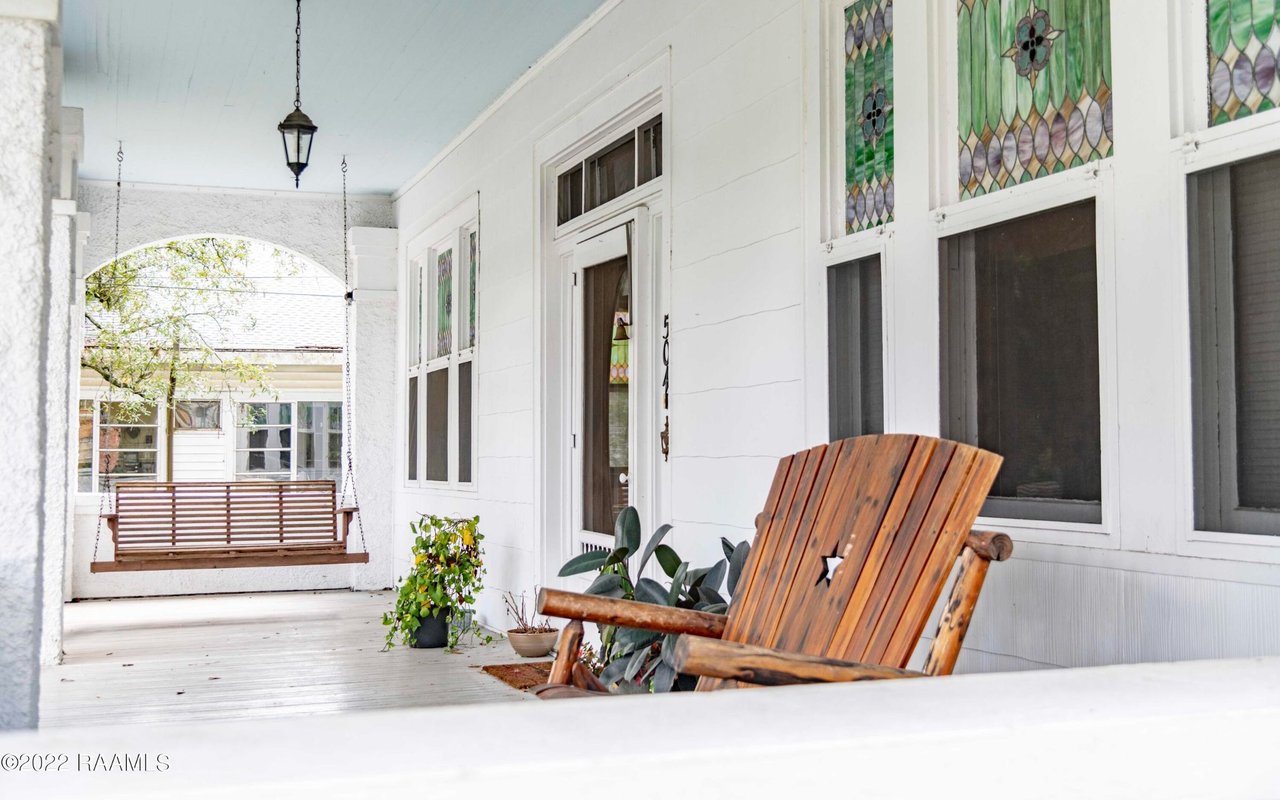
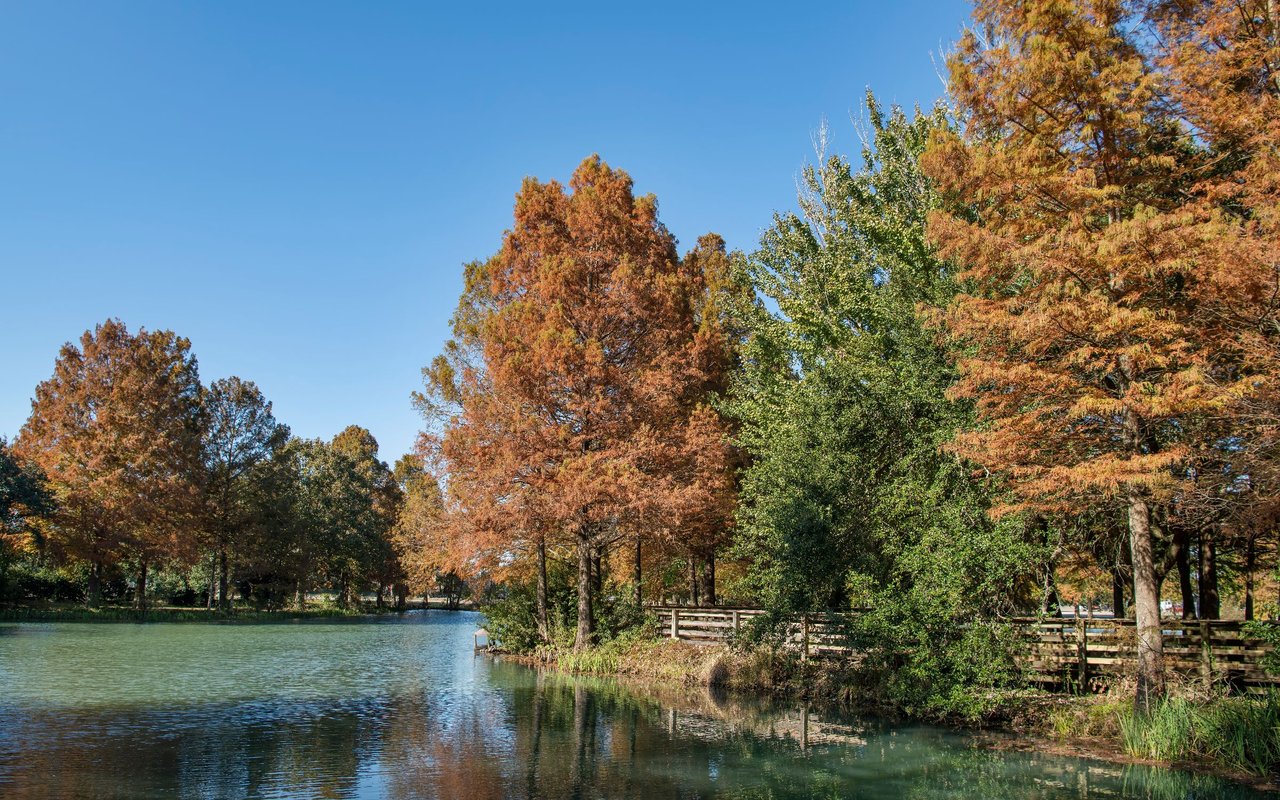
Not every part of Youngsville feels the same, and Sugar Mill Pond is a good example of that. It is often noted for its tree-lined streets, sidewalks, front porches, neighborhood shops and dining, walking path around the pond, and active neighborhood feel.
The city’s planning documents point to Sugar Mill Pond as an example of traditional neighborhood development. That helps explain why it feels more walkable and mixed-use than many suburban areas nearby.
If you are drawn to a neighborhood where the design encourages walking and a stronger connection between homes, open space, and small-scale commercial uses, Sugar Mill Pond may stand out to you. It offers a different experience from a more standard subdivision layout.
From a design perspective, this type of neighborhood can appeal to buyers who care about streetscape, porch living, and how a community feels beyond the walls of the house. That does not make it better for everyone, but it does make it distinctive.
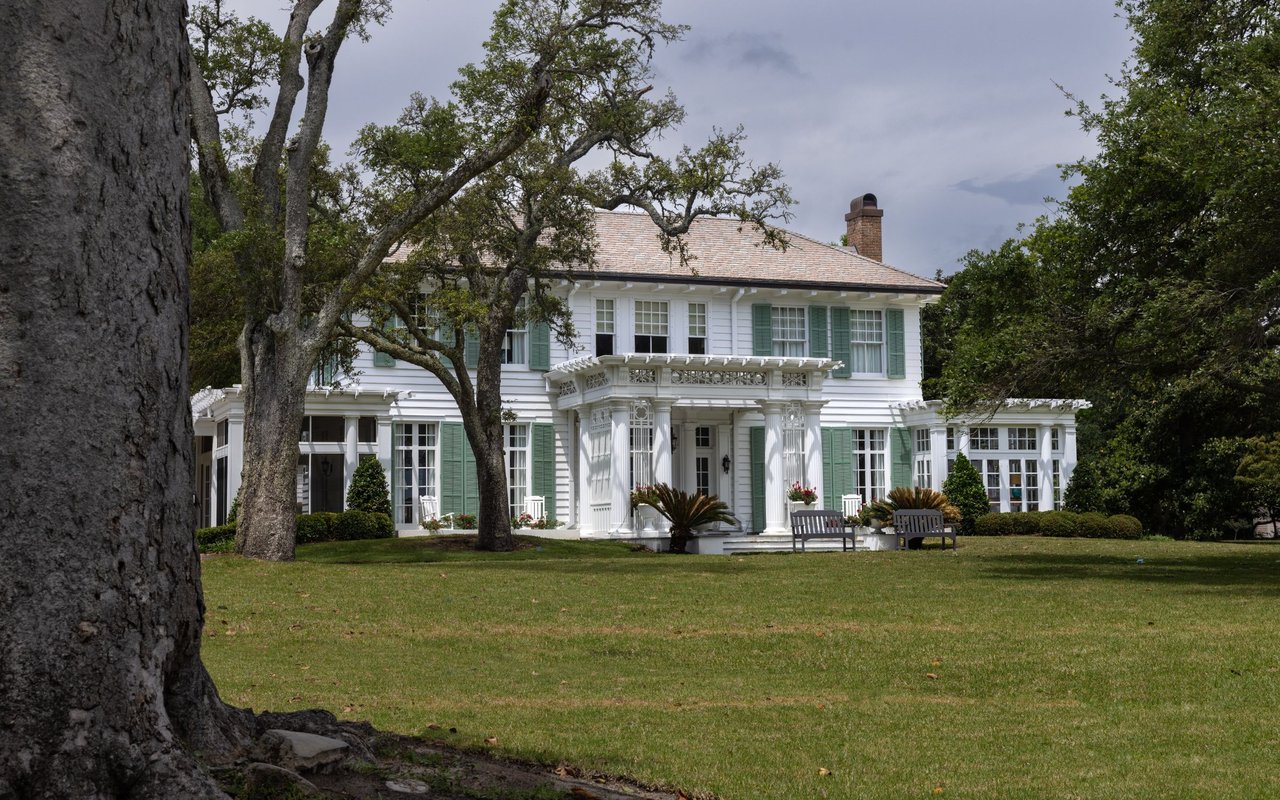
Homes in Youngsville tend to reflect newer suburban living
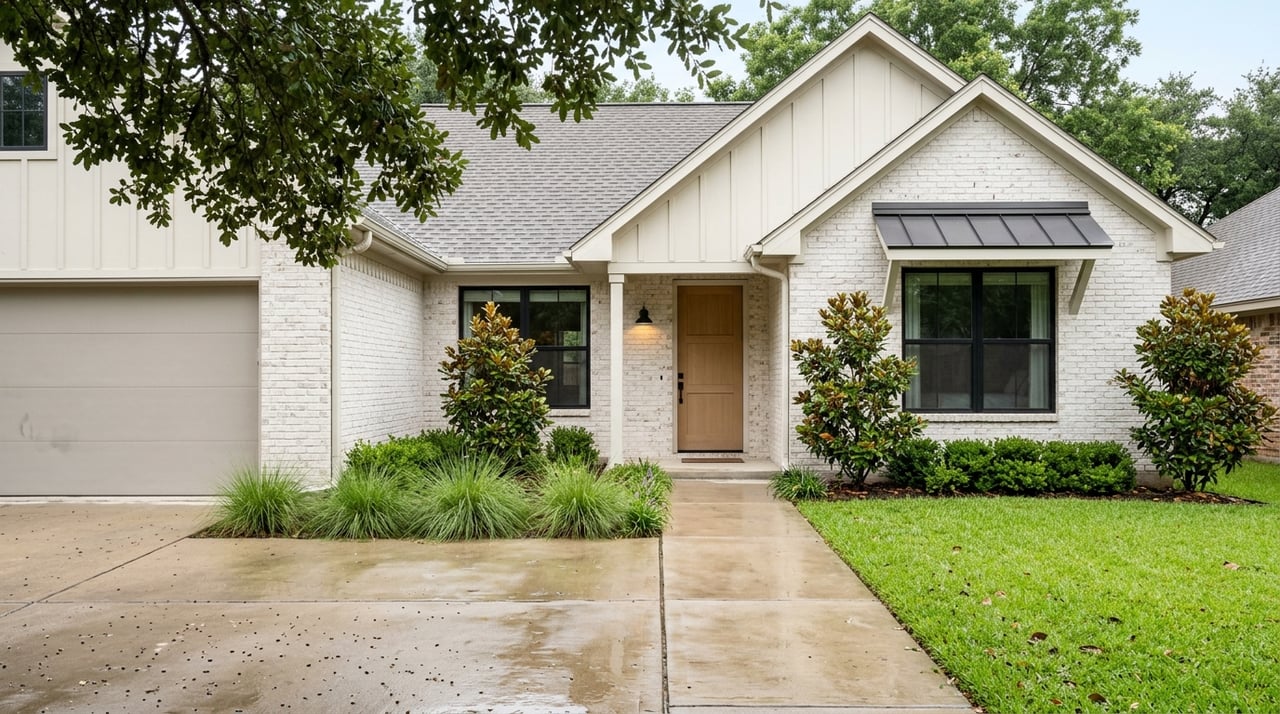
Youngsville’s housing profile is shaped by growth. Current inventory examples show many of the floor plans buyers expect in newer suburban communities, including 3-bedroom, 2-bath homes around 1,600 to 1,850 square feet and 4-bedroom, 3-bath homes around 2,400 to 2,600 square feet.
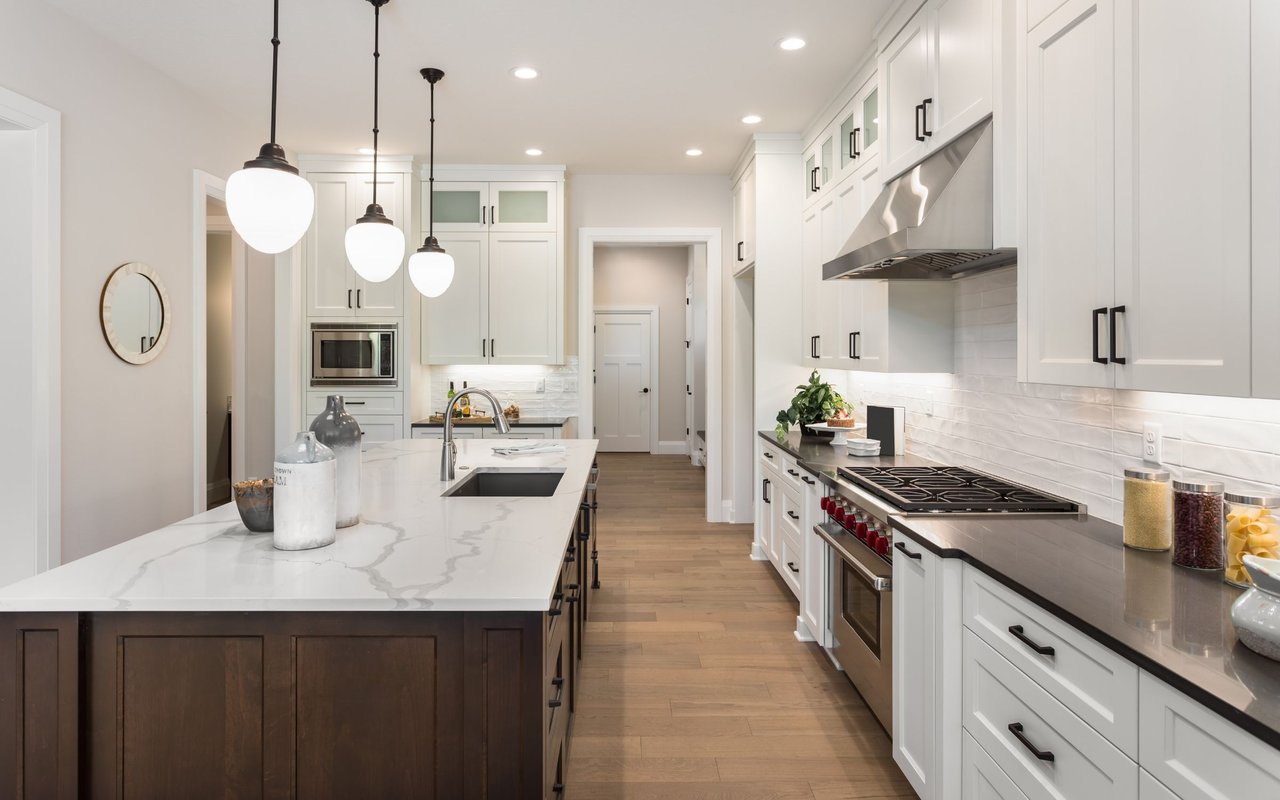
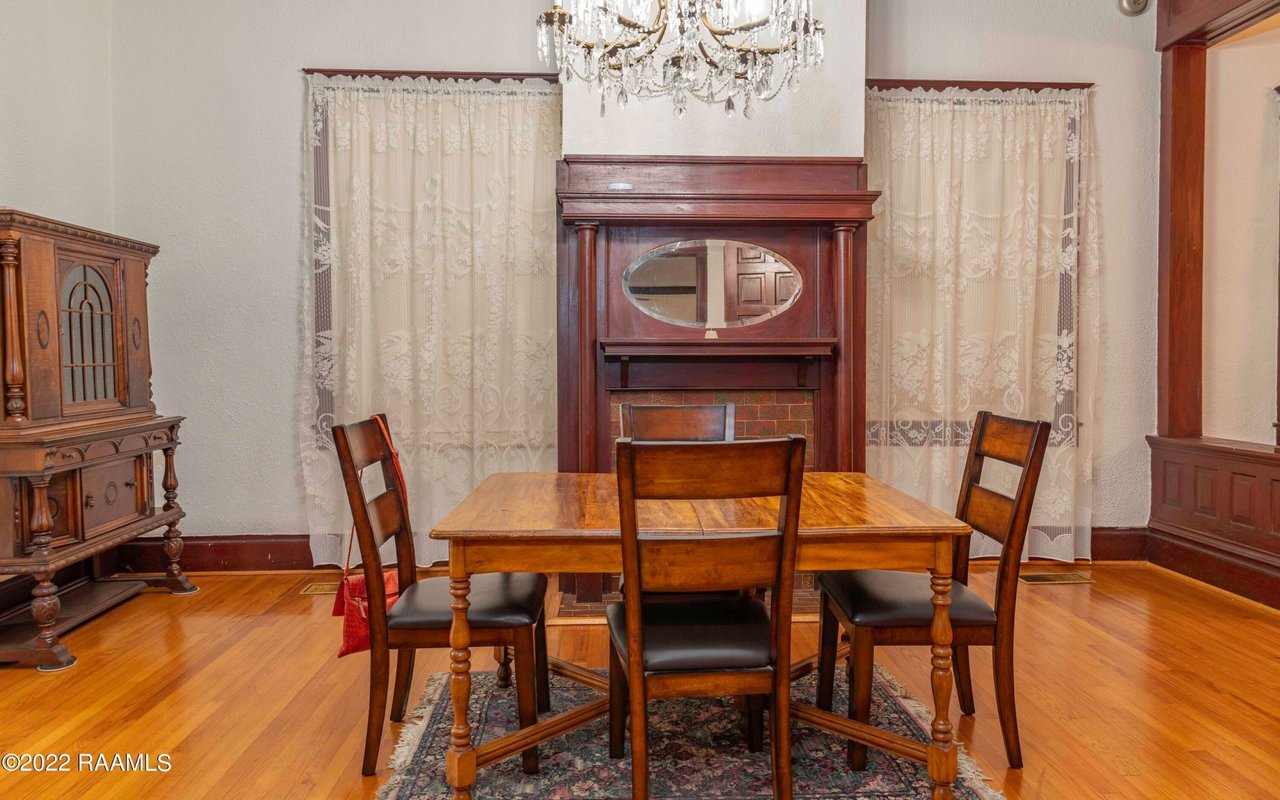
Townhomes around 1,600 square feet also appear in the market, especially in areas tied to more mixed-use planning. Listing descriptions commonly mention open layouts, split floor plans, bonus rooms or offices, front porches, covered side porches, and lower-maintenance living.
Outside Sugar Mill Pond, newer communities like Metairie Place reinforce the city’s new-construction and newer-subdivision profile. If you want a home with more contemporary layout preferences, Youngsville gives you many options that align with how people live today.
That said, not every home will function the same way just because the square footage looks good on paper. When you are shopping here, it helps to look closely at layout, storage, light, flexibility, and how the home will work for your daily routine, not just the finish selections.
Schools are part of many buyers’ planning
Youngsville has a visible public school presence. Southside High School, which serves grades 9 through 12 in Youngsville, opened in August 2017 as the first new public high school built in Lafayette Parish in nearly 50 years.
Youngsville Middle School and Ernest Gallet Elementary are also located in the city. For many buyers, that adds an important layer of convenience and familiarity when evaluating where to live.
The key practical point is simple: school assignment should always be verified by address. Lafayette Parish School System directs residents to use its address-based attendance zone guide for elementary, middle, and high school zoning.
That step is especially important in a fast-growing area. Different streets, sections, or development phases may map differently, so it is smart to confirm before you make a decision based on location alone.
Who tends to like living in Youngsville
Youngsville often appeals to buyers who want a suburban setting with strong recreation amenities and a housing stock that skews newer. It can also be a fit if you want an owner-occupied community where neighborhood stability is part of the draw.
You may especially like Youngsville if you are looking for:
- More space than you may find in older in-town neighborhoods
- Access to parks, sports facilities, and community events
- Newer homes with open layouts and flexible rooms
- A residential setting connected to Lafayette
- Neighborhood options that range from conventional subdivisions to mixed-use areas like Sugar Mill Pond
At the same time, every move has tradeoffs. If your priority is an urban street grid, a more established historic housing stock, or a nightlife-centered environment, Youngsville may feel more suburban than what you want.
What to consider before you move
Before you buy in Youngsville, it helps to think beyond the headline appeal. Fast-growing communities can offer great opportunities, but they also require a closer look at how a specific area functions for your needs.
A few smart questions to ask are:
- How important is commute time for your day-to-day routine?
- Do you want a more traditional subdivision or a neighborhood with a mixed-use, walkable feel?
- Would you benefit from a bonus room, office, or low-maintenance layout?
- How important is proximity to parks or sports facilities?
- Have you verified school zoning by exact address if that matters to your household?
These questions can help you narrow your search in a more practical way. They also help you avoid choosing a house that looks good online but does not actually support how you live.
Youngsville offers a clear lifestyle
What it is really like to live in Youngsville comes down to this: you are choosing a fast-growing, mostly owner-occupied suburban community with strong recreation amenities, newer housing options, and a local identity shaped by neighborhood life and public events.
It still carries some of that small-town feeling, but it is no longer a small town in the literal sense. Youngsville today is a growing part of the Lafayette area with its own distinct rhythm, from roundabout driving to sports complex weekends to neighborhood pockets like Sugar Mill Pond.
If you want help figuring out which part of Youngsville fits your goals, layout needs, and long-term plans, Joan Beduze can help you look at the full picture with a practical, design-aware perspective.
FAQs
What is daily life like in Youngsville, Louisiana?
- Daily life in Youngsville tends to center on home, community events, parks, and youth sports rather than a dense urban or nightlife scene.
What kind of homes can you find in Youngsville, Louisiana?
- Buyers in Youngsville often find newer subdivision homes, townhomes in some areas, and floor plans with open layouts, split bedrooms, bonus rooms, and porch-focused design.
What makes Sugar Mill Pond in Youngsville different?
- Sugar Mill Pond stands out for its sidewalks, tree-lined streets, front porches, pond walking path, and mixed-use traditional neighborhood design.
What are commutes like from Youngsville, Louisiana?
- Census data shows a mean commute of 26.2 minutes, and the city functions as part of the broader Lafayette metro area.
What should buyers verify about schools in Youngsville, Louisiana?
- Buyers should verify school attendance zones by exact property address through Lafayette Parish School System because assignments can vary in a fast-growing area.
Is Youngsville, Louisiana still a small town?
- Youngsville still has some small-town feel, but its population growth, expanding neighborhoods, and suburban amenities make it more accurate to view it as a growing suburban city.