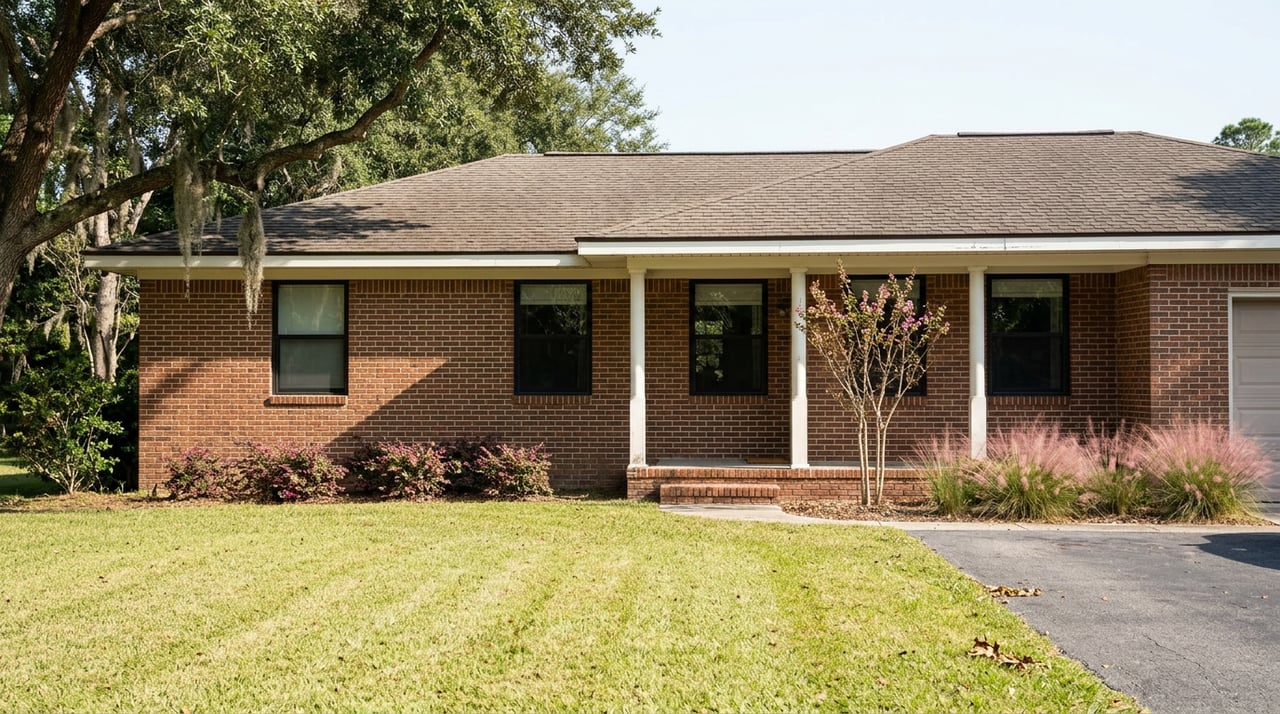
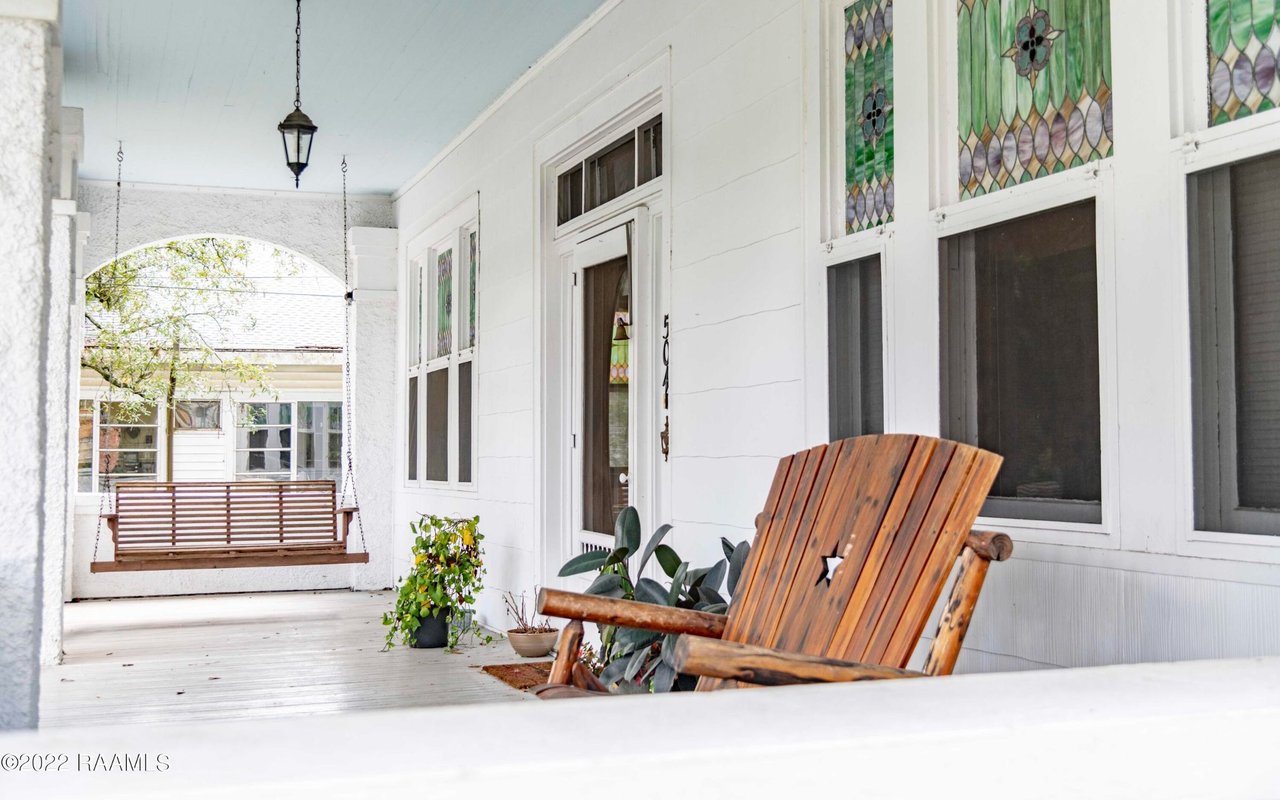

A buyer emailed me last month with a listing pulled up on her phone. The address was on a quiet cul-de-sac, the photos showed a wide front porch and a fresh coat of paint, and the listing described it as being in the "Milton School District." She wanted to know how far the drive to Milton's downtown would be.
There isn't much of a drive, because the home wasn't in Milton at all. It carried a Lafayette mailing address. The seller's agent wasn't wrong to use the phrase. They just weren't describing a place you can find on a map the way you'd expect.
That gap between Milton the place and Milton the phrase is worth understanding before you put it on your short list, because it changes how you should read every comp, every price-per-square-foot figure, and every claim about how "hot" the market is.
The Milton You Can Stand In
Milton is a real, physical location. It's an unincorporated community on the east side of the Vermilion River in southern Lafayette Parish, and its official Census-designated boundary covers about 4.7 square miles. That's it. No city hall, no mayor, no incorporated city limits, because Milton has never incorporated as its own municipality. The state's own parish directory lists it separately from cities like Broussard and Youngsville, under the heading of unincorporated communities.
Pull population figures for that same small footprint and you'll get answers that don't agree with each other. One dataset puts Milton's 2026 population at 1,914 and describes it as declining. Another, using the official Census-designated place boundary, estimates 3,292 residents as of mid-2025. Same 4.7 square miles. Different numbers, because the sources are counting different things in different years using different methods.
If the population of an actual, surveyed boundary is this hard to pin down, the far looser real estate use of the word "Milton" is going to be even harder to pin down. That's the whole point.
The Milton on the Listing Sheet
In practice, "Milton" as it shows up in real estate listings is a school-zone brand more than a place name. It gets attached to homes in named subdivisions like Elan, Hamlet, Miramar, and Legend Creek, several of which carry Lafayette addresses and sit outside the actual Milton CDP line even as they're marketed by school zone.
That's not a scandal. Buyers genuinely want to be zoned into that school district, and agents describe homes the way buyers search for them. But it means two homes both marketed as being "in Milton" can sit in different tax jurisdictions, different fire protection districts, and different actual towns, while pulling from the same desirable label. If you're comparing days on market or price trends across what you believe is one neighborhood, you may actually be blending data from three or four different physical places that only share a school zoning line.
Before you treat a "Milton" search on any portal as a clean data set, it's worth asking your agent a plain question: is this specific address inside the Milton CDP boundary, or is it zoned into the school district from somewhere else? The answer changes which comps are actually relevant to the home you're looking at.
A Grocery Store That Outgrew the Map First
Real estate isn't the only place this pattern shows up. NuNu's, the family grocery store known across Acadiana for its seasoned meats and homemade boudin, traces its roots to a lounge in Milton opened by Arthé Broussard in 1953. The family opened a new Milton building in 1976, and as later generations watched growth accelerate in the surrounding area, they opened locations in Youngsville, Maurice, and Scott, all while keeping the family story rooted in that original Milton store.
NuNu's didn't need to argue about where Milton's boundary ends. It grew past that boundary on its own terms, carrying the name and the reputation with it. Real estate marketing is doing something similar with the word "Milton," just without the century of goodwill and homemade seasoning to back it up. When a brand outgrows its map, that's a sign of genuine community pull. When a listing description does the same thing, it's worth a second look before you assume you're comparing like to like.
Growth Without a City Hall
The reason this matters right now, and not just as a historical quirk, is that Milton is in the middle of visible, fast subdivision growth, and it doesn't have its own city government to manage that growth the way an incorporated town would. As KADN reported, Lafayette Consolidated Government held a public meeting at the Milton Civic Center in June 2026 specifically because subdivisions have been developing quickly in the unincorporated area near the Vermilion Parish line, and residents raised concerns about drainage, traffic, and how the character of the community would hold up.
LCG's chief administrative officer, Rachel Godeaux, put the tension plainly in the report:
"It's important to get the public's feedback. Where do they wanna see growth? Where do you wanna see investment? Also, just to understand some of the constraints that we, that the government, has with regard to resources."
That's the honest version of what's happening in Milton. Buyers are drawn to the school zone and the small-town feel. Builders are responding with new subdivisions. But the drainage systems, road capacity, and community planning have to be handled through the parish, not a local government built for exactly this footprint, because Milton doesn't have one. The parish's growth plan process is meant to sort out housing, transportation, and land use recommendations for the area, but that process is still working through public input as of this writing.
What This Means When You're Comparing Neighborhoods
If you're weighing Milton against other Acadiana communities on your list, here's the practical read.
Confirm the actual address and jurisdiction before you compare it to anything else, not just the school zone description. Two homes marketed the same way can sit in different parishes' worth of infrastructure planning.
Ask whether a specific subdivision has been part of the recent growth conversation. Newer developments near the edges of the CDP are more likely to be caught up in the drainage and traffic questions the parish is actively working through. Older, established pockets closer to the historic core may not carry the same open questions.
Treat any market statistics you find for "Milton" with a healthy amount of skepticism about what geography they're actually drawing from. A median price or days-on-market figure pulled under the Milton label could be built from a wider or narrower footprint than you assume, depending on the source.
None of this means Milton is a bad place to buy. It means the label is doing more work than the map, and knowing the difference is what separates a confident offer from a guess.
A Few Questions Worth Asking Directly
Is Milton its own city? No. Milton is unincorporated, so there's no separate municipal government.
Why do so many listings outside the actual boundary say "Milton"? Because buyers search by school zone as much as by town name, and the school zoning lines extend well past the Census-designated place. It's a marketing shorthand more than a geographic claim.
Does the parish's growth planning apply to homes that are zoned "Milton" but addressed elsewhere? That depends on where the specific parcel sits. The parish's planning process is organized around the unincorporated Milton area itself, so a home addressed in Lafayette or Youngsville but zoned into the school district may or may not fall under those same recommendations. This is exactly the kind of detail worth confirming address by address rather than assuming from the listing description.
If you're trying to make sense of what a "Milton" listing actually promises versus what it's borrowing from a neighboring name, that's a conversation worth having before you write an offer. Joan Beduze has spent the last twelve years working transactions across this exact corner of Lafayette Parish, and can walk you through which side of the line a specific property actually sits on. Let's Connect.
This article is general information, not legal, tax or financial advice. Consult a qualified professional about your situation.